
The Ultimate Guide to Healthy Eating
Navigating the Confusion: Expert Tips for Making Healthy Food Choices


Maintaining a healthy diet is essential for overall well-being and longevity. With so much information available about nutrition, it can be overwhelming to navigate through conflicting advice. In this ultimate guide to healthy eating, I have gathered expert tips and advice to help you make informed choices and cultivate a balanced and nourishing diet that suits your individual needs.
Prioritize Whole Foods
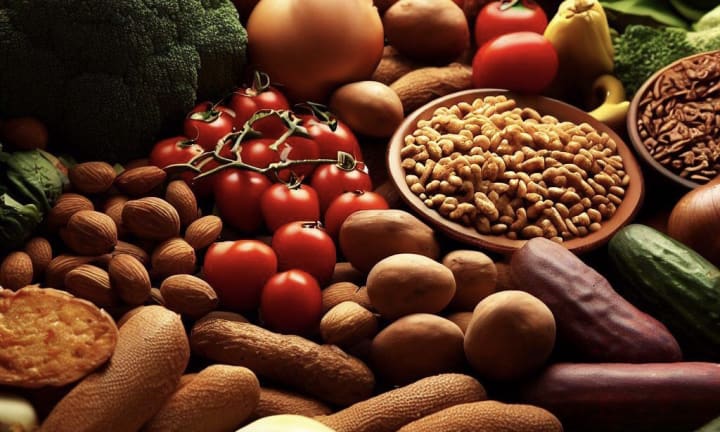
When it comes to healthy eating, whole foods should form the foundation of your diet. Whole foods are minimally processed and retain their natural nutrients. Fruits, vegetables, whole grains, lean proteins, and healthy fats should be the main components of your meals. These foods provide essential vitamins, minerals, fiber, and antioxidants necessary for optimal health.
Embrace Balanced Macronutrients
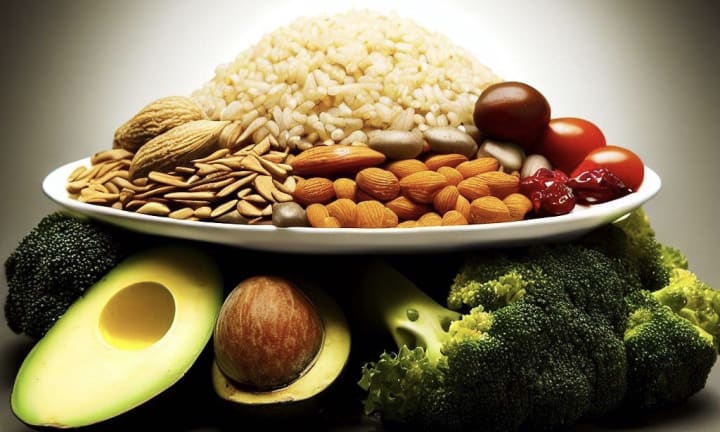
A balanced diet includes a proper distribution of macronutrients: carbohydrates, proteins, and fats. Carbohydrates provide energy, proteins aid in building and repairing tissues, and fats support various bodily functions. Aim to incorporate all three macronutrients into your meals to maintain a stable blood sugar level, feel satiated, and support overall health.
Portion Control and Mindful Eating
Portion control is crucial for maintaining a healthy weight and avoiding overeating. It's essential to listen to your body's hunger and fullness cues. Practice mindful eating by slowing down during meals, savoring each bite, and paying attention to your body's signals. This practice can help prevent mindless snacking and promote a healthier relationship with food.

Hydration is Key
Staying hydrated is often overlooked but plays a vital role in maintaining good health. Water helps regulate body temperature, aids digestion, flushes out toxins, and supports various physiological functions. Make it a habit to drink water throughout the day and limit the consumption of sugary beverages. Herbal teas, infused water, and fresh juices can also contribute to your hydration needs.

Be Cautious of Added Sugars
Excessive consumption of added sugars has been linked to various health issues, including obesity, diabetes, and heart disease. Be mindful of the hidden sugars in processed foods such as sodas, candies, baked goods, and sauces. Opt for natural sources of sweetness like fruits and limit your intake of processed sugars to promote a healthier diet.

Include Fiber-Rich Foods
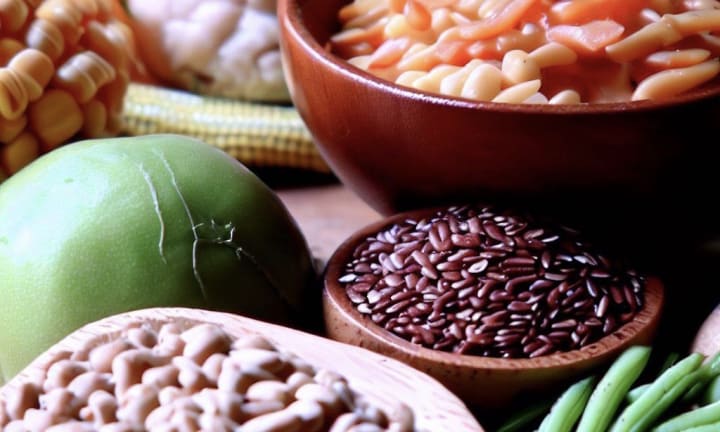
Dietary fiber plays a crucial role in maintaining a healthy digestive system and regulating blood sugar levels. Incorporate fiber-rich foods such as whole grains, legumes, fruits, and vegetables into your meals. Not only do they provide essential nutrients, but they also keep you feeling full for longer, reducing the likelihood of overeating.
Diversify Your Plate with Color
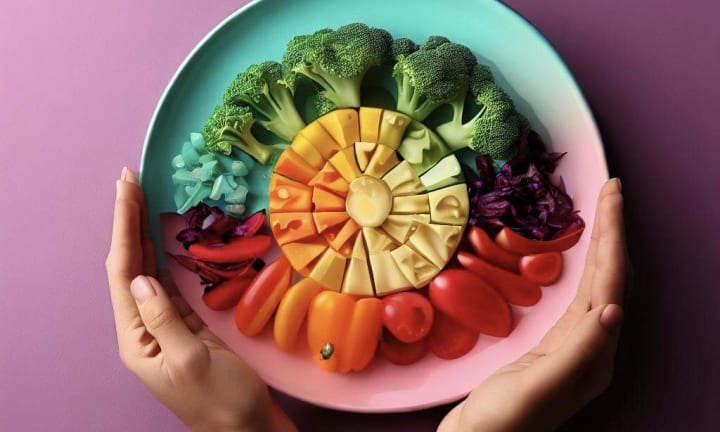
Aim to include a variety of colors on your plate, as different-colored fruits and vegetables offer a wide range of nutrients. Phytochemicals, responsible for the vibrant hues, provide numerous health benefits. For example, orange fruits and vegetables are rich in beta-carotene, while leafy greens are high in iron and calcium. Eating a rainbow of produce ensures a well-rounded nutrient intake.
Moderate Salt Intake
While sodium is necessary for our bodies, excessive salt consumption can contribute to high blood pressure and other health problems. Be mindful of your salt intake and limit the consumption of processed and packaged foods, which often contain high levels of sodium. Instead, use herbs, spices, and natural flavorings to enhance the taste of your meals.

Healthy Cooking Methods
The way you prepare your food can significantly impact its nutritional value. Opt for healthy cooking methods such as steaming, grilling, baking, or sautéing instead of deep-frying or heavily seasoning with unhealthy fats. These methods preserve the natural nutrients and flavors of the food, allowing you to enjoy the benefits of your ingredients.

Practice Moderation, Not Deprivation
Lastly, remember that healthy eating is about balance and moderation, not strict deprivation. Allow yourself the occasional indulgence in your favorite treats, but make sure the majority of your meals consist of nutrient-dense foods. Depriving yourself of the foods you love can lead to cravings and binge-eating. Focus on nourishing your body while still enjoying the pleasures of food.
Adopting a healthy eating lifestyle is a long-term commitment that requires knowledge, awareness, and dedication. By following these expert tips and advice, you can develop a well-rounded diet that nourishes your body, supports your overall health, and enhances your quality of life. Remember, small changes over time can lead to significant improvements, so start making positive choices today and enjoy the benefits of a healthier you.
About the Creator
Keep reading
More stories from Prof Dr Barış Öztürk and writers in Longevity and other communities.
Navigating Social Settings with Food Allergies and Intolerances: How to Enjoy Life Without Compromising Your Health
Food allergies and intolerances are becoming increasingly prevalent in modern society, affecting millions of individuals worldwide. These conditions can have a significant impact on a person's quality of life, and require careful attention to dietary choices and potential triggers.
By Prof Dr Barış Öztürk3 years ago in Longevity
🍓 8 Best Fruits for Pregnant Women
Pregnancy is a time when nutrition becomes more important than ever. What a mother eats during these months directly supports the growth and development of her baby. Among the many healthy foods recommended during pregnancy, fruits stand out as one of the easiest and most nutritious options.
By Being Inquisitive5 days ago in Longevity


Comments
There are no comments for this story
Be the first to respond and start the conversation.