
Navigating Social Settings with Food Allergies and Intolerances: How to Enjoy Life Without Compromising Your Health
Understanding the Difference: Food Allergies vs. Food Intolerances

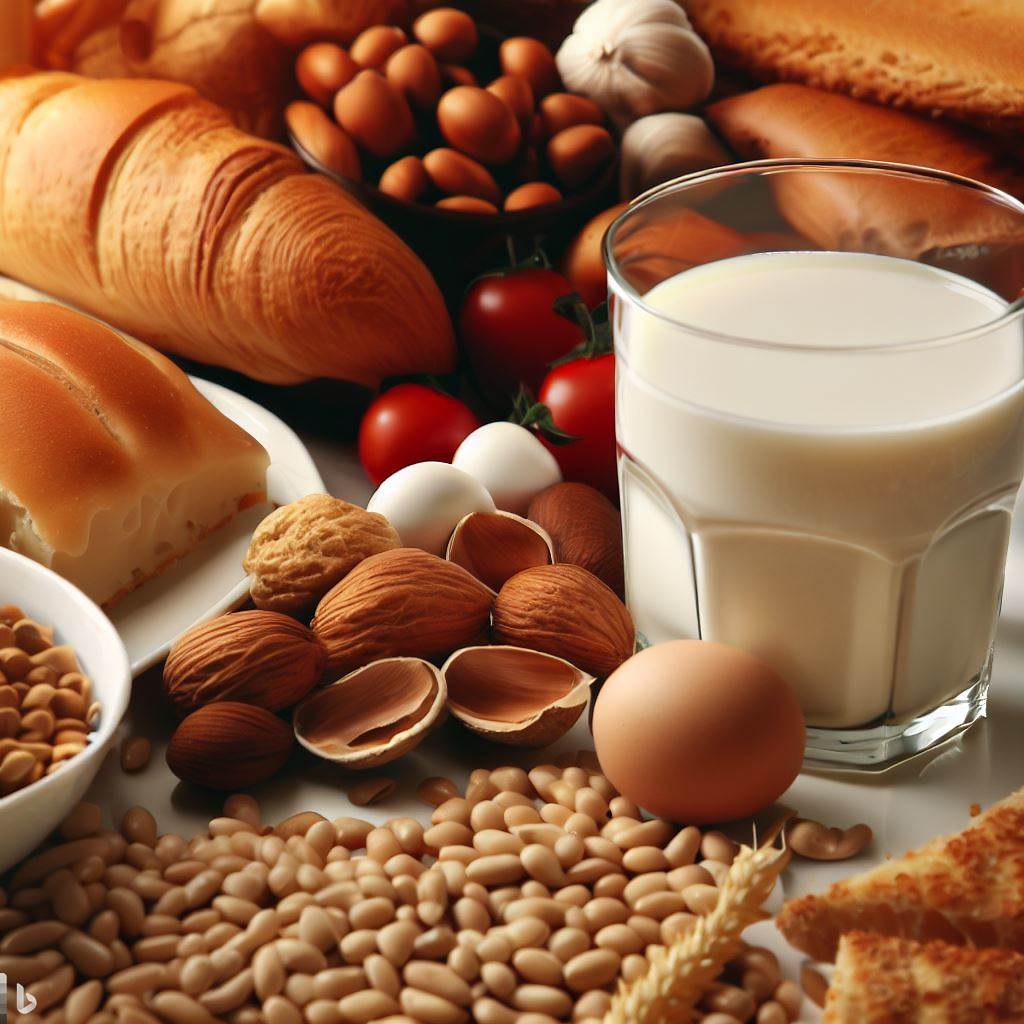
Food allergies and intolerances are becoming increasingly prevalent in modern society, affecting millions of individuals worldwide. These conditions can have a significant impact on a person's quality of life, and require careful attention to dietary choices and potential triggers.
Food allergies occur when the immune system identifies certain food proteins as harmful, triggering an immune response. This response is due to the production of antibodies, such as immunoglobulin E (IgE), which can result in symptoms ranging from mild to severe. Common allergenic foods include peanuts, tree nuts, eggs, milk, soy, wheat, fish, and shellfish. In some cases, even a small amount of the allergen can trigger a reaction, leading to anaphylaxis, a severe and potentially life-threatening reaction.
Food intolerances, on the other hand, are typically caused by difficulties in digesting certain foods or components. These difficulties can result from enzyme deficiencies or sensitivity to specific food components, such as lactose (found in dairy) or gluten (found in wheat and other grains). Symptoms of food intolerances can vary widely but commonly include digestive issues such as bloating, diarrhea, and abdominal pain. Common examples of food intolerances include lactose intolerance, gluten sensitivity, and fructose intolerance.
Gluten intolerance arises when the body has difficulty digesting gluten, leading to an adverse response. Although the exact mechanisms behind this condition are still not fully understood, it is believed to involve the immune system and the gut. It is important to note that gluten intolerance is different from celiac disease, as it does not involve the same immune response or long-term damage to the small intestine.
The primary treatment for gluten intolerance is adopting a strict gluten-free diet. This means avoiding all sources of gluten, including wheat, barley, rye, and their derivatives. Fortunately, there is an increasing availability of gluten-free alternatives in grocery stores and restaurants, making it easier to adhere to a gluten-free lifestyle. It is important to read food labels carefully, as gluten can hide in unexpected products, such as sauces, soups, and processed foods.
For individuals with gluten intolerance, the gluten-free diet can significantly improve symptoms and overall well-being. However, it requires commitment, as even trace amounts of gluten can trigger a reaction. While eliminating gluten, it is essential to ensure a balanced and varied diet, incorporating alternative grains like rice, quinoa, corn, and gluten-free oats, as well as nutrient-rich fruits, vegetables, lean proteins, and healthy fats.
Symptoms of gluten intolerance can vary widely among individuals. Common signs include digestive issues such as bloating, abdominal pain, diarrhea, and constipation. Other symptoms may include headaches, fatigue, joint pain, skin rashes, and brain fog. It is worth noting that these symptoms can be similar to those of other gastrointestinal conditions, making it essential to seek medical advice for an accurate diagnosis.
Accurate diagnosis is crucial for managing food allergies and intolerances effectively. Medical professionals may employ various diagnostic methods, including medical history assessment, skin prick tests, blood tests, elimination diets, or oral food challenges. Once diagnosed, individuals can implement strategies to manage their condition effectively. The most effective way to manage food allergies and intolerances is to avoid consuming trigger foods or ingredients completely. Developing a habit of carefully reading food labels to identify potential allergens or intolerant ingredients is also essential. Exploring alternative food options and substitutions can help individuals with food allergies or intolerances enjoy a wide variety of safe and nutritious meals. Seeking professional guidance from healthcare professionals, registered dietitians, or nutritionists can also provide personalized guidance and support in managing specific dietary needs. Finally, educating oneself and those around about food allergies and intolerances can help create a safe and understanding environment, especially in social settings and when dining out.
In conclusion, food allergies and intolerances are significant challenges that require careful attention to dietary choices and potential triggers. By understanding their differences, causes, and symptoms, individuals can navigate these dietary challenges while optimizing their health and overall well-being. It is important for individuals with food allergies and intolerances to seek appropriate medical attention and support, while also educating themselves and those around them about these conditions. By doing so, we can create a more inclusive and understanding society for those affected by food allergies and intolerances.
About the Creator
Keep reading
More stories from Prof Dr Barış Öztürk and writers in Longevity and other communities.
The Power of Clean Eating: Nourish Your Body, Transform Your Health
In an era marked by convenience and processed foods, the concept of clean eating has gained significant traction. Clean eating is not just another diet fad; it is a lifestyle choice that prioritizes whole, unprocessed foods to nourish the body and promote optimal health. By embracing clean eating principles, individuals can transform their relationship with food and experience a wide array of benefits, ranging from increased energy levels to improved overall well-being.
By Prof Dr Barış Öztürk3 years ago in Longevity
Microsoft's Purposeful Marketing Deception About AI's Ability To Beat Physicians In Diagnosis
When you look at the world of scientific research... If you are not careful... You will be fooled into believing things that are not actually supported by the data.
By Dr. Cody Dakota Wooten, DFM, DHM, DAS (hc)a day ago in Longevity
Italy Weighs Options as Damaged Russian LNG Tanker Drifts in the Mediterranean
Italian authorities are urgently assessing their options after a damaged Russian liquefied natural gas (LNG) tanker was reported drifting in the central Mediterranean, raising fears of an environmental disaster and diplomatic complications at a time of heightened geopolitical tension. The vessel, believed to have suffered structural damage during a storm several days ago, has been moving slowly westward under limited control, prompting concern among coastal states and maritime monitoring agencies. Italian coast guard officials confirmed late Thursday that the tanker, carrying thousands of tons of LNG, had transmitted distress signals indicating propulsion failure and potential hull damage. While the ship’s crew has reportedly managed to stabilize onboard systems, experts warn that prolonged drifting could increase the risk of further damage, especially if rough weather returns. Authorities in Rome are now considering whether to allow the tanker to enter an Italian port for emergency repairs or to coordinate an offshore stabilization operation. Either option carries significant political and environmental implications. Officials familiar with the discussions say the Italian government is balancing three primary concerns: maritime safety, environmental protection, and compliance with European sanctions related to Russia’s energy sector. Although LNG shipments themselves are not universally banned under European measures, any assistance to a Russian energy vessel could spark political backlash within the European Union. “This is a highly delicate situation,” said one maritime security analyst based in southern Europe. “Italy has an obligation to prevent environmental damage in its waters, but there are also strong political sensitivities when a Russian energy asset is involved.” The tanker reportedly departed from an Arctic export terminal earlier this month and was en route to an undisclosed destination when it encountered severe weather conditions in the eastern Mediterranean. Satellite tracking services show the vessel slowing dramatically after issuing technical alerts, eventually losing most of its propulsion capability. Italian maritime patrol aircraft and naval vessels have been dispatched to monitor the situation. Early assessments suggest the LNG cargo remains intact within the ship’s cryogenic storage tanks, which are designed to withstand significant stress. However, maritime engineers caution that structural weaknesses in the vessel’s hull could pose long-term risks if not addressed quickly. “If the containment systems fail, the result could be a major gas release,” explained an LNG safety consultant who previously worked with European shipping regulators. “While LNG does not create oil slicks like crude oil, a large release can still cause fires, explosions, and serious environmental disruption.” The drifting tanker is currently believed to be located several hundred kilometers south of the Italian mainland but within a heavily trafficked maritime corridor used by cargo ships traveling between the Suez Canal and major European ports. Italian officials have already issued navigational advisories to nearby commercial vessels, urging them to maintain distance from the damaged ship. Diplomatic channels have also been activated. Italian officials are reportedly in contact with Russian maritime authorities as well as the vessel’s operating company to determine responsibility for rescue and repair operations. Under international maritime law, ships in distress must be assisted when safety or environmental risks are present, regardless of nationality. However, the political dimension of the case complicates matters. Since Russia’s invasion of Ukraine, European governments have taken increasingly strict positions on Russian energy shipments, even when formal sanctions allow limited trade. Environmental organizations have also entered the debate, warning that delays in responding could increase the risk of an accident. Several Mediterranean conservation groups issued a joint statement urging Italy and neighboring states to coordinate a rapid intervention. “The Mediterranean is one of the world’s most fragile marine ecosystems,” the statement said. “Any industrial accident involving LNG transport could have serious ecological consequences.” Shipping industry representatives, meanwhile, argue that humanitarian and environmental safety considerations must take precedence over politics. Maritime insurers have indicated that emergency port access is a standard safety measure in situations involving damaged vessels. Inside the Italian government, discussions are believed to involve the ministries of transport, environment, foreign affairs, and defense. A final decision could determine whether the tanker is escorted toward a designated Italian harbor or kept offshore while international salvage teams attempt repairs at sea. Local authorities in several southern Italian ports have already been quietly consulted about their capacity to host the vessel should Rome approve entry. Such a move would require extensive safety protocols, including restricted harbor zones and standby emergency services. Weather forecasts for the coming days may influence the decision. Meteorological agencies predict shifting winds across parts of the central Mediterranean, conditions that could either push the tanker closer to European coastlines or move it into deeper waters farther from shipping lanes. For now, Italian surveillance aircraft continue to track the ship’s slow drift while naval units remain on standby nearby. As policymakers debate the next step, the drifting tanker has become an unexpected symbol of the complicated intersection between energy security, geopolitics, and environmental risk in Europe’s increasingly contested maritime space. The coming days may determine whether the incident ends as a controlled maritime rescue—or escalates into a broader regional crisis.
By Fiaz Ahmed 3 days ago in Longevity
The Solitude of The Chupacabra
Many say that the Chupacabra is a rather recent and modern tale, a mangy coyote or rabied dog. Some point out that it’s just twisted evolution. But very few know the true backstory of the shapeshifter that led to the bloodsucking legend. And perhaps once you will come to know and understand more, you might “forget” a few cattle out to wander.
By Oneg In The Arctic3 days ago in Fiction



Comments
There are no comments for this story
Be the first to respond and start the conversation.