
The Ultimate Guide to Better Sleep: 10 Science-Backed Hacks
Struggling to fall asleep or stay asleep? You're not alone.


Millions of people worldwide face sleep challenges, but the good news is that science has the answers. In this guide, we're sharing 10 practical and research-backed hacks to help you achieve restful, rejuvenating sleep.
At Zen Snooze, our mission is simple: to help people sleep better, because better sleep means a better life.
The Importance of Sleep
Sleep is more than just a time to rest; it's essential for your overall health and well-being. Did you know that adults need 7-9 hours of sleep per night, yet 1 in 3 people don’t get enough? Poor sleep can lead to a host of issues, including:
- Health Problems: Increased risk of heart disease, diabetes, and obesity.
- Reduced Productivity: Impaired cognitive function and decreased work performance.
- Mood Swings: Heightened irritability, anxiety, and depression.
Did you know that adults need 7-9 hours of sleep per night, yet 1 in 3 people don’t get enough? Sleep plays a crucial role in memory consolidation, hormone regulation, and overall well-being. Without it, you're not operating at your full potential.
Understanding the importance of sleep is the first step toward prioritizing it in your life.
10 Science-Backed Sleep Hacks
1. Create a Sleep-Inducing Environment
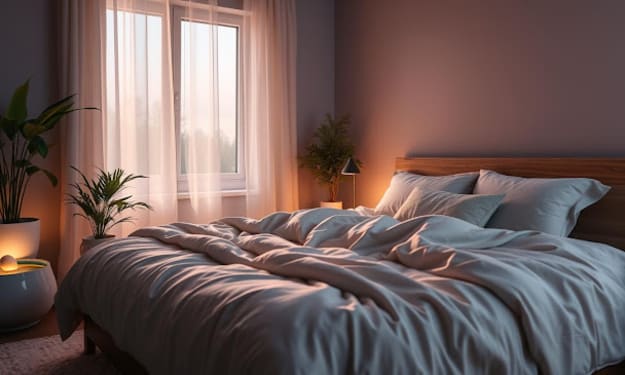
Your sleep space should be a sanctuary. Here's how to optimize it:
- Use blackout curtains: Block out all external light.
- Keep the room cool: Aim for 60-67°F (15-19°C).
- Eliminate noise: Try white noise machines or earplugs for a quieter environment.
Consider investing in a weighted blanket, which research suggests can reduce anxiety and promote deeper sleep.
2. Stick to a Consistent Sleep Schedule
Your body has an internal clock called the circadian rhythm. Going to bed and waking up at the same time every day helps regulate it.
Even on weekends, try to maintain your sleep schedule to avoid "social jetlag."
3. Limit Blue Light Exposure Before Bed
Screens emit blue light, which suppresses melatonin production—the hormone that makes you feel sleepy.
- Turn off screens at least an hour before bed.
- Use blue light blockers or install apps like f.lux that adjust screen color based on the time of day.
4. Try Relaxation Techniques
Calming your mind is essential for quality sleep.
- ASMR: Autonomous Sensory Meridian Response (ASMR) videos can trigger a calming sensation.
- Meditation: Try guided sessions focused on relaxation.
- Deep breathing exercises: Inhale for 4 seconds, hold for 7, and exhale for 8 seconds.
5. Avoid Caffeine and Heavy Meals Before Bed
- Caffeine is a stimulant that can stay in your system for hours.
- Stop consuming caffeinated beverages at least 6 hours before bedtime.
- Avoid heavy, greasy meals close to bedtime as they can cause indigestion.
6. Incorporate a Bedtime Routine
A consistent pre-sleep routine signals your body that it's time to wind down.
Ideas for your routine:
- Read a book.
- Journal your thoughts or gratitude.
- Drink a calming herbal tea, such as chamomile.
7. Use Aromatherapy
Certain scents can promote relaxation and sleep.
- Lavender essential oil: Shown to improve sleep quality and reduce anxiety.
- Chamomile and bergamot: Other soothing options.
- Use a diffuser or spray your pillow lightly.
8. Exercise Regularly (But Not Before Bed)
Physical activity has been linked to better sleep quality.
- Aim for at least 30 minutes of moderate exercise most days.
- Avoid intense workouts within 2-3 hours of bedtime, as they can energize you instead.
9. Invest in a Quality Mattress and Pillow
Comfort matters. A supportive mattress and pillow can make all the difference.
Look for options that suit your preferred sleeping position—whether you're a back, side, or stomach sleeper.
10. Try Progressive Muscle Relaxation (PMR)
This technique involves tensing and relaxing each muscle group, starting from your toes and moving up to your head.
How to do it:
- Lie down in a comfortable position.
- Inhale deeply and tense a muscle group for 5 seconds.
- Exhale and release the tension.
- Move on to the next muscle group.
By incorporating these sleep hacks into your routine, you can transform your nights and wake up feeling refreshed. Better sleep is within reach—you just need the right tools and habits to get there.
About the Creator
Pepita
At Your Service
Day 4 of Quitting
If this is how sobriety feels, maybe it’s better to go through life a little buzzed… this, along with other hits like, I want to kill myself, I wish I was dead, and I’m going to throw myself off a bridge have been the only thoughts on rotation these past few days. I promise myself that if, in a month, I still feel like this (‘this’ meaning despondent, full of rage, and simultaneously numb) I can go back to smoking. Until mid-February though? Nicotine is off the table.
By sleepy drafts14 days ago in Longevity
Baby Monitor Market Trends & Summary: How Smart Parenting Tech Is Shaping the Future of Child Safety
Introduction: A New Era of Digital Parenting Parenting in the modern world looks very different from what it did even a decade ago. As more parents balance demanding careers with family life, technology has stepped in as a silent partner—helping caregivers stay connected, informed, and reassured. Among the most trusted of these innovations is the baby monitor, a device that has evolved from simple audio tools into intelligent, AI-powered guardians.
By Marthan Sirabout 21 hours ago in Longevity



Comments (1)
Hello, just wanna let you know that if we use AI, then we have to choose the AI-Generated tag before publishing 😊