
The Truth About Living with PTSD: Breaking the Stigma
A personal journey of quiet battles, unexpected strength, and the healing power of being understood.

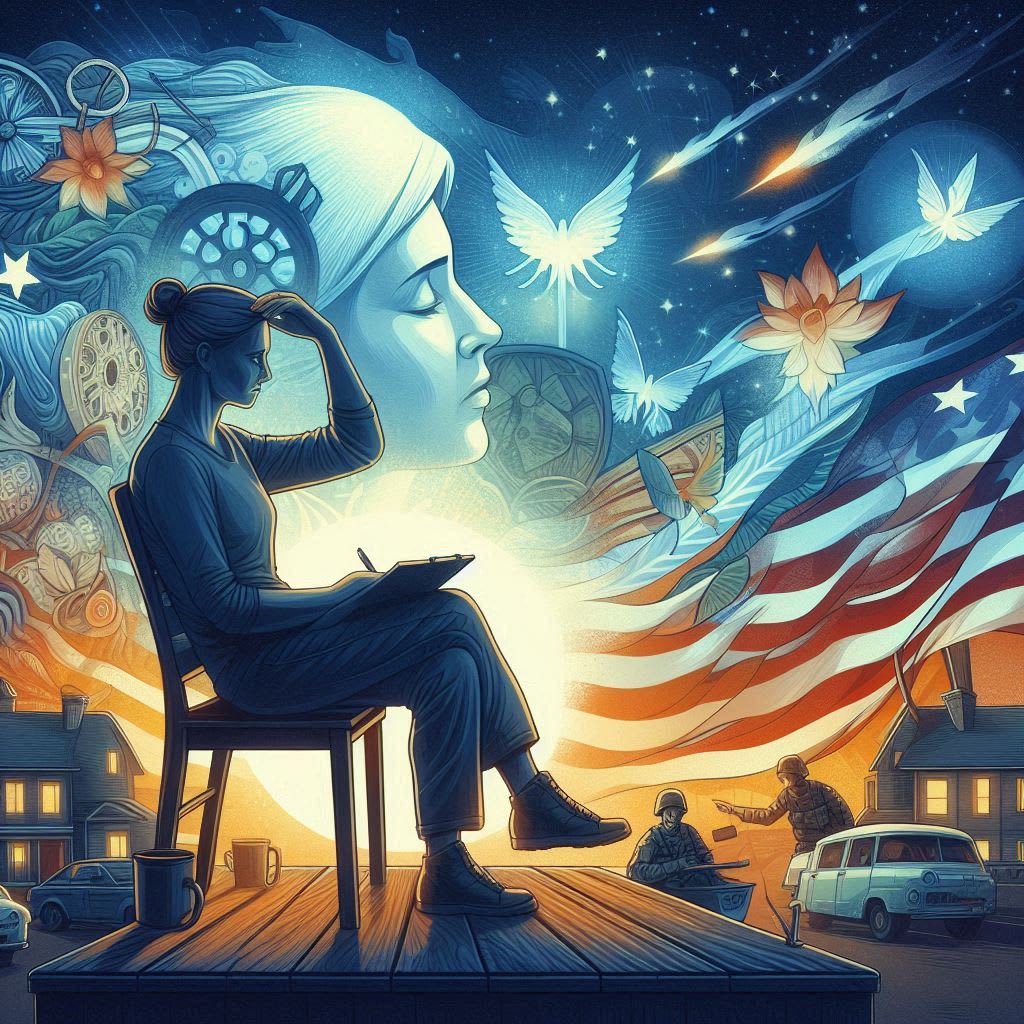

The Truth About Living with PTSD: Breaking the Stigma
You don’t always know when it starts. PTSD doesn’t arrive at your door with a label or a warning. Sometimes, it walks in quietly after the dust settles — after the accident, the loss, the trauma. You move through your life, thinking you’ve survived. But then, one day, the weight of what happened clings to you like fog.
For me, PTSD didn’t look like the movies. It wasn’t always about flashbacks or night terrors. It was forgetfulness, numbness, sudden bursts of anger over small things. It was waking up tired despite sleeping all night. It was panic in the most ordinary moments — a ringing phone, a car door slamming, someone calling my name. And worst of all, it was shame.
Because no one could see it, it didn’t feel real. I was praised for being “strong” and “high functioning.” But inside, I was unraveling. I felt like a fraud. I kept thinking, Why can’t I just move on? The world told me I had no right to hurt anymore. I believed it for a long time.
The Invisible Illness
PTSD is not just for war veterans or people who’ve survived disasters. It’s for anyone whose nervous system was overwhelmed — who experienced something so intense, it rewired their brain. For me, it came after a personal trauma I won’t describe in detail here. Because this story isn’t about the trauma. It’s about what came after.
Living with PTSD meant avoiding the places that used to feel safe. It meant canceling plans last minute, feeling guilty, and pretending I was just “busy.” It meant being in a room full of people and still feeling like I didn’t belong. I couldn’t explain to others why I was different, so I stopped trying. I isolated myself to protect others from my silence.
But healing didn’t begin with a therapist or medication, though both eventually helped. Healing started the day someone looked me in the eye and said, “I believe you.” No fixing. No judgment. Just presence. That changed everything.
Why the Stigma Hurts So Much
The stigma around PTSD often sounds like well-meaning advice:
“Just think positive.”
“Other people have it worse.”
“That was a long time ago — aren’t you over it yet?”
But those words are a wall. They separate people who are hurting from those who might help. Stigma doesn’t always look cruel — sometimes it looks like silence. Like changing the subject. Like discomfort when the word “trauma” is mentioned.
I used to be afraid to tell people. But over time, I realized that silence was helping no one — least of all me. I began sharing in small ways. I wrote in a journal. I confided in a close friend. I went to support groups and heard my story echoed in others. I stopped hiding, even when it was uncomfortable.
And slowly, I learned something powerful: You don’t need to be healed to be whole. You can carry pain and still offer light to the world. You can struggle and still succeed.
What Helped Me the Most
Recovery isn’t a straight line, and it looks different for everyone. But here’s what helped me:
Therapy: Finding the right therapist was hard, but it made all the difference.
Routines: Simple things like making my bed or walking every morning helped me feel grounded.
Community: Even one safe person can make you feel less alone.
Creativity: Writing, art, and music gave me ways to express what I couldn’t say out loud.
Forgiveness: Not just for others — for myself, too. For not being perfect. For taking time.
Most of all, I gave myself permission to feel — even when it was messy, even when it didn’t make sense.
💬 Moral of the Story:
PTSD does not make you broken. It makes you human. And being human means healing is not a race — it’s a relationship you build with yourself, one breath at a time.
If you or someone you know is struggling with PTSD, please know this: You are not alone. You are not weak. You are worthy of help, healing, and hope.

----------------------------------------
Thank you for reading...
Reagards: Fazal Hadi
About the Creator
Fazal Hadi
Hello, I’m Fazal Hadi, a motivational storyteller who writes honest, human stories that inspire growth, hope, and inner strength.
Keep reading
More stories from Fazal Hadi and writers in Longevity and other communities.
Day 4 of Quitting
If this is how sobriety feels, maybe it’s better to go through life a little buzzed… this, along with other hits like, I want to kill myself, I wish I was dead, and I’m going to throw myself off a bridge have been the only thoughts on rotation these past few days. I promise myself that if, in a month, I still feel like this (‘this’ meaning despondent, full of rage, and simultaneously numb) I can go back to smoking. Until mid-February though? Nicotine is off the table.
By sleepy drafts5 days ago in Longevity
9 Health Rules I Stole From People in Their 60s and 70s
If you want real health advice, stop listening to people in their twenties. They haven't had time to be wrong yet. They haven't lived long enough for habits to compound - or for bad decisions to show up in their joints, their energy, their bloodwork, or their ability to live independently.
By Destiny S. Harris6 days ago in Longevity
The steps to losing a child
Step One: Lose a child. Not what anyone wants to happen and nothing you can do to change it, but you can go through steps to becoming happy again. You can go through steps to loving again. You can go through steps to become a new you because after losing a child you will never be the same person you once were.
By Tabitha Hinkley4 days ago in Fiction


Comments
There are no comments for this story
Be the first to respond and start the conversation.