
The Truth About Anti-Aging Supplements
What Works, What Doesn't, and What Might
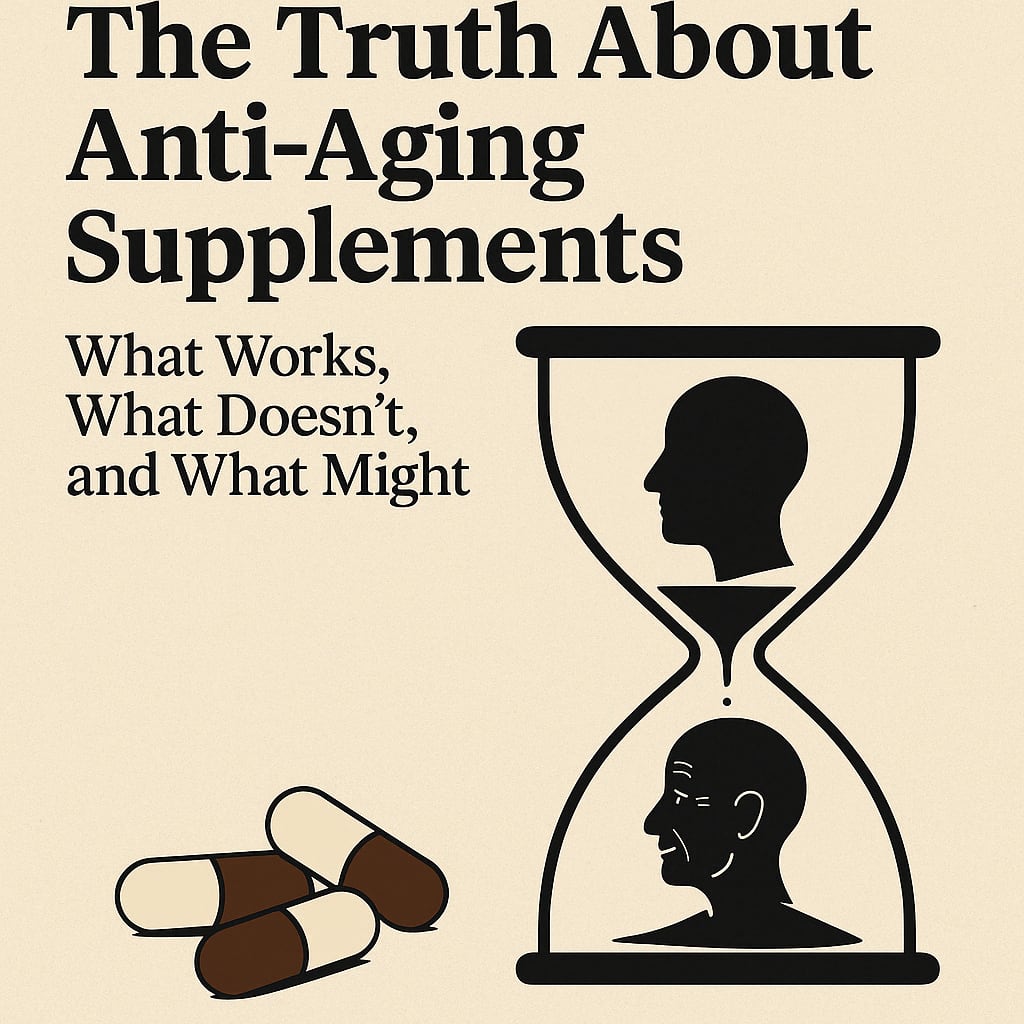
Aging is inevitable—but looking and feeling older might not be.
From NAD+ boosters to polyphenols and peptides, the anti-aging supplement market has exploded in recent years. Influential researchers like Dr. David Sinclair have popularized compounds like NMN (Nicotinamide Mononucleotide) and resveratrol, sparking a global interest in "biohacking" aging. But as the industry grows, so does the confusion.
So, which anti-aging supplements actually work? Which ones are overhyped? And what does the science say?
Let’s dig into the most promising options—and what to be cautious about.
The Rise of Anti-Aging Science
Aging used to be something we accepted passively. Not anymore.
Advances in molecular biology have revealed that aging isn't just about time passing—it's about specific cellular processes, many of which can be influenced. The focus today is on supporting cellular health, DNA repair, and mitochondrial function to extend not just lifespan, but healthspan.
This has led to a boom in compounds that claim to support longevity by addressing these biological mechanisms.
NMN and NR: Fueling Your Cells from Within
NMN (Nicotinamide Mononucleotide) and NR (Nicotinamide Riboside) are two of the most talked-about supplements in the anti-aging world. Why? Because they’re precursors to NAD+, a molecule that plays a crucial role in cellular energy, DNA repair, and metabolic regulation.
As we age, NAD+ levels drop—often dramatically. Both NMN and NR aim to restore those levels.
Some key takeaways:
* NMN has shown promising results in animal studies and growing human trials, including improved insulin sensitivity, blood flow, and physical endurance.
* NR is more stable and has more published human safety data but may convert less efficiently than NMN in some people.
If you're considering NAD+ precursors, this comprehensive guide to NMN vs NR compares the two based on current research and real-world results.
Resveratrol, Glutathione & Other Allies
Resveratrol—the famous compound found in red wine—became a sensation after studies suggested it could activate sirtuins, the same family of proteins linked to longevity. It's often paired with NMN for synergistic benefits.
Glutathione, the body’s master antioxidant, is another big player. Supplementing it may help reduce oxidative stress, which contributes to aging and inflammation.
Other promising compounds:
* CoQ10 – Vital for mitochondrial function, especially for older adults or those on statins.
* Spermidine – Supports autophagy, a cellular “clean-up” process that declines with age.
* Berberine – Sometimes called “nature’s metformin,” it may support blood sugar balance and metabolic health.
How to Stack Smartly
A supplement “stack” is a combo of compounds taken together for a greater effect. In the anti-aging world, stacking is common—but it has to be done thoughtfully.
Popular anti-aging stacks include:
* NMN + Resveratrol + TMG (to support methylation)
* NR + CoQ10 + PQQ (for cellular energy and mitochondrial health)
* Berberine + ALA + Chromium (for blood sugar and metabolism)
Note: Always consult with a healthcare professional before starting any stack, especially if you’re on medication.
What Doesn’t Work (Or Needs More Research)
Not every supplement with a fancy label is worth your money. Common overhyped products include:
* Collagen pills (more cosmetic than cellular-level anti-aging)
* Stem cell “boosters” with vague ingredients
* Random herbal blends without clinical backing
Stick with compounds that have real science behind them—and choose transparency over marketing fluff.
Final Thoughts: It’s About Aging Well, Not Avoiding It
Anti-aging supplements can support your health journey, but they aren’t magic. The foundation still comes down to:
* Quality sleep
* Exercise and movement
* Stress management
* Whole-food nutrition
Supplements should enhance—not replace—those basics.
Here’s to feeling younger, longer. 💪
About the Creator
Keep reading
More stories from writers in Longevity and other communities.
Day 4 of Quitting
If this is how sobriety feels, maybe it’s better to go through life a little buzzed… this, along with other hits like, I want to kill myself, I wish I was dead, and I’m going to throw myself off a bridge have been the only thoughts on rotation these past few days. I promise myself that if, in a month, I still feel like this (‘this’ meaning despondent, full of rage, and simultaneously numb) I can go back to smoking. Until mid-February though? Nicotine is off the table.
By sleepy drafts18 days ago in Longevity
Global Pharmaceutical Packaging Market Size and Forecast 2025–2033
Global Pharmaceutical Packaging Market Outlook The global pharmaceutical packaging market is entering a decisive decade of transformation. According to Renub Research, the pharmaceutical packaging market was valued at US$ 142.5 billion in 2024 and is projected to reach US$ 299.42 billion by 2033, growing at a robust CAGR of 8.60% from 2025 to 2033.
By Marthan Sira day ago in Longevity




Comments
There are no comments for this story
Be the first to respond and start the conversation.