
The Top 10 Medicinal Plants For Your Home Garden: A Complete Guide
Discover the top 10 medicinal plants for your home garden and learn how to categorize Chicory, Yarrow, California Poppy, Marshmallow, Chamomile, Evening Primrose, Lavender, Echinacea, Calendula, and Feverfew for all your home remedies

Introduction:
Growing medicinal plants in your home garden can provide a sustainable source of natural remedies, which can be used to treat a wide range of health issues. Medicinal plants have been used in traditional medicine for centuries and have been found to be effective in treating many ailments.
In this blog post, we will introduce you to the top 10 medicinal plants that you can grow in your home garden. These plants are not only easy to grow but also have numerous health benefits that will keep you healthy and fit. We will also categorize each plant according to its medicinal properties so that you can identify which plants will suit your needs.
Chicory:
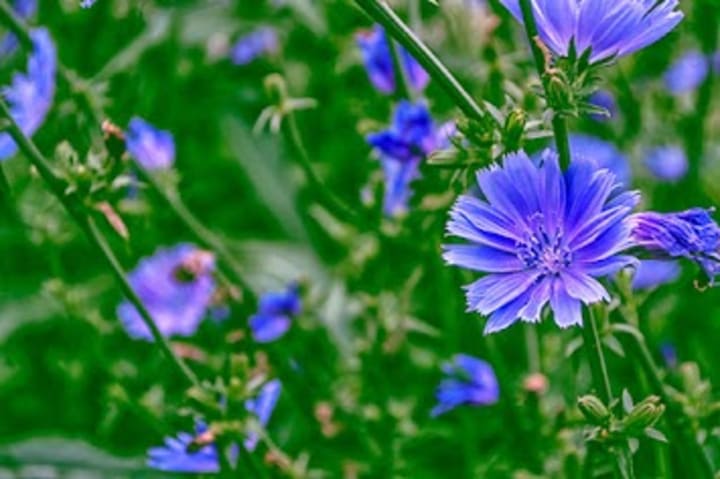
Chicory is a herbaceous plant that belongs to the daisy family. It is native to Europe and is often used as a substitute for coffee. Chicory has anti-inflammatory and diuretic properties and can be used to treat digestive problems and liver disorders. Chicory contains compounds such as inulin, which helps in regulating blood sugar levels and supporting healthy digestion. You can harvest chicory leaves and roots for use in teas, tinctures, and infusions.
Yarrow:
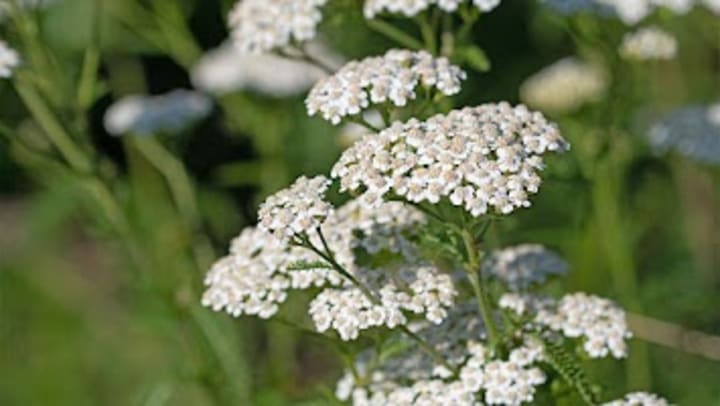
Yarrow is a flowering plant that is native to Europe and Asia. It has a long history of use in traditional medicine and is often used to treat wounds and fever. Yarrow has anti-inflammatory and antibacterial properties and can also be used to treat digestive problems. Yarrow contains compounds such as sesquiterpene lactones and flavonoids, which are known for their anti-inflammatory and antioxidant effects. You can harvest yarrow leaves and flowers for use in teas, tinctures, and infusions.
California Poppy:
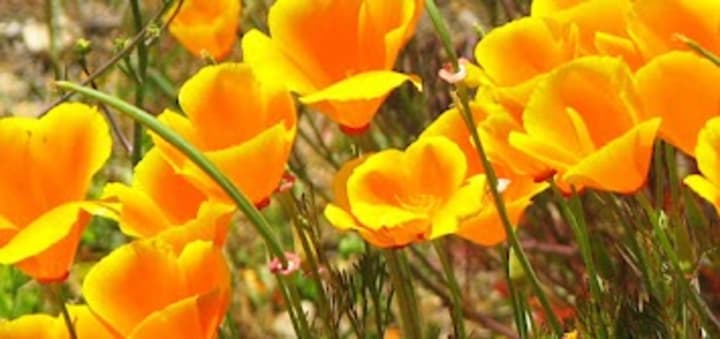
California poppy is a herbaceous plant that is native to California. It has a long history of use in traditional medicine and is often used to treat anxiety and insomnia. California poppy has sedative and analgesic properties and can also be used to treat headaches and menstrual cramps. California poppy contains compounds such as alkaloids and flavonoids, which are known for their calming and pain-relieving effects. You can harvest California poppy leaves and flowers for use in teas, tinctures, and infusions.
Marshmallow:
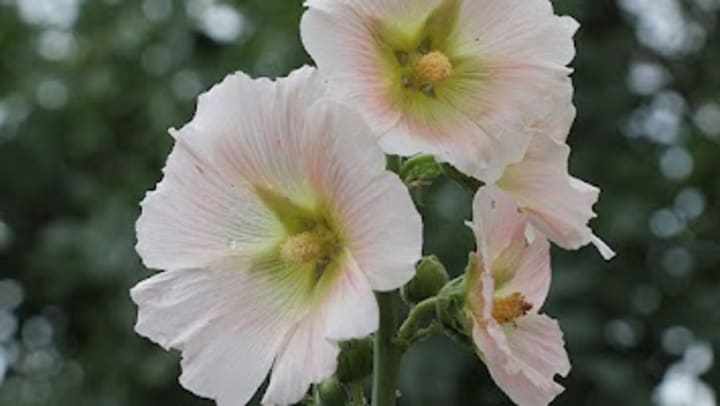
Marshmallow is a herbaceous plant that is native to Europe and Western Asia. It has a long history of use in traditional medicine and is often used to treat respiratory problems and digestive disorders. Marshmallow has anti-inflammatory and expectorant properties and can also be used to treat sore throat and cough. Marshmallow contains compounds such as mucilage and flavonoids, which are known for their soothing and anti-inflammatory effects. You can harvest marshmallow leaves and roots for use in teas, tinctures, and infusions.
Chamomile:
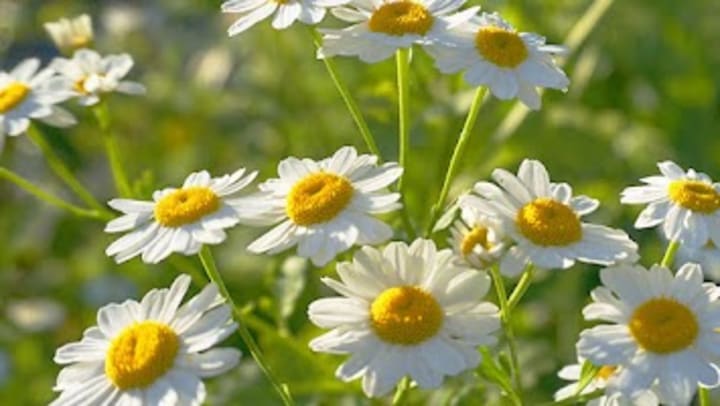
Chamomile is a flowering plant that is native to Europe and Western Asia. It has a long history of use in traditional medicine and is often used to treat anxiety and insomnia. Chamomile has anti-inflammatory and sedative properties and can also be used to treat digestive problems. Chamomile contains compounds such as terpenoids and flavonoids, which are known for their calming and anti-inflammatory effects. You can harvest chamomile leaves and flowers for use in teas, tinctures, and infusions.
Evening Primrose:
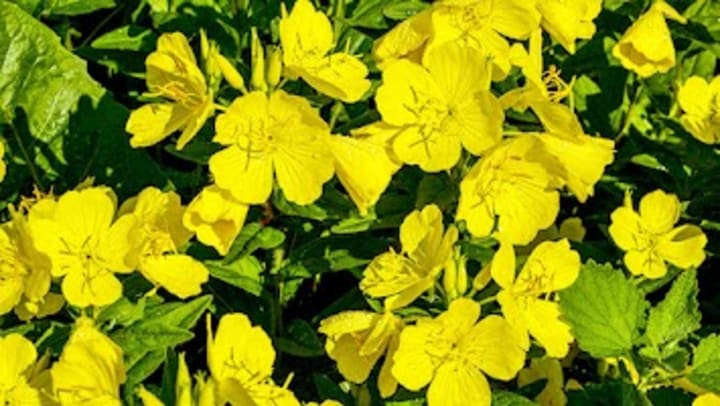
Evening primrose is a flowering plant that is native to North America. It has a long history of use in traditional medicine and is often used to treat hormonal imbalances and skin disorders. Evening primrose has anti-inflammatory and analgesic properties and can also be used to treat arthritis and PMS. Evening primrose contains compounds such as gamma-linolenic acid and flavonoids, which are known for their anti-inflammatory and hormone-balancing effects. You can harvest evening primrose seeds and flowers for use in teas, tinctures, and infusions.
Lavender:
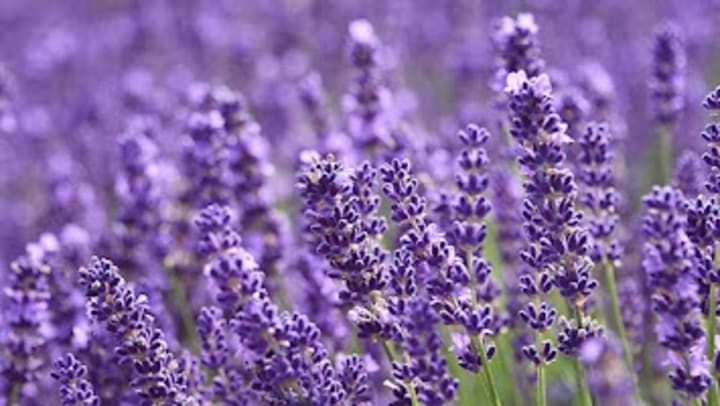
Lavender is a flowering plant that is native to the Mediterranean region. It has a long history of use in traditional medicine and is often used to treat anxiety and insomnia. Lavender has anti-inflammatory and sedative properties and can also be used to treat headaches and muscle pain. Lavender contains compounds such as linalool and linalyl acetate, which are known for their calming and pain-relieving effects. You can harvest lavender leaves and flowers for use in teas, tinctures, and infusions.
Echinacea:
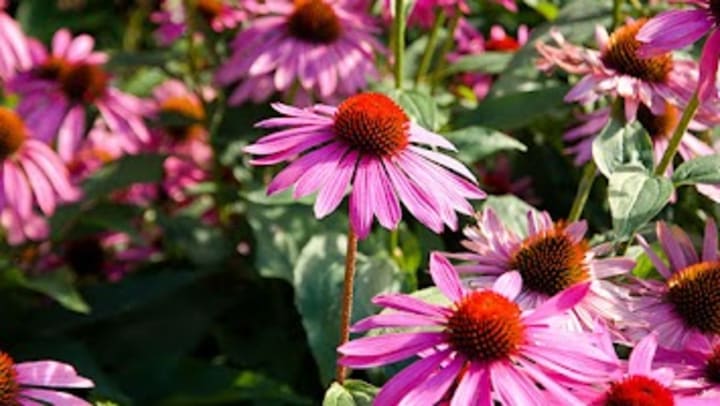
Echinacea is a flowering plant that is native to North America. It has a long history of use in traditional medicine and is often used to boost the immune system and treat infections. Echinacea has anti-inflammatory and immunostimulatory properties and can also be used to treat cold and flu symptoms. Echinacea contains compounds such as alkamides and polysaccharides, which are known for their immune-boosting and anti-inflammatory effects. You can harvest echinacea leaves, flowers, and roots for use in teas, tinctures, and infusions.
Calendula:
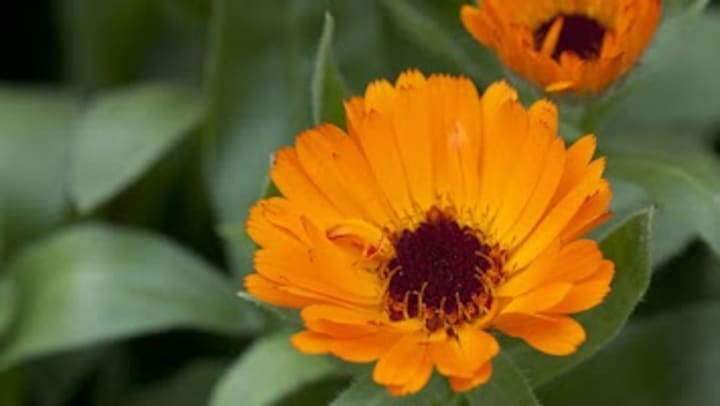
Calendula is a flowering plant that is native to Europe and Western Asia. It has a long history of use in traditional medicine and is often used to treat skin disorders and digestive problems. Calendula has anti-inflammatory and antimicrobial properties and can also be used to treat wounds and menstrual cramps. Calendula contains compounds such as triterpenoids and flavonoids, which are known for their wound-healing and anti-inflammatory effects. You can harvest calendula leaves and flowers for use in teas, tinctures, and infusions.
Feverfew:
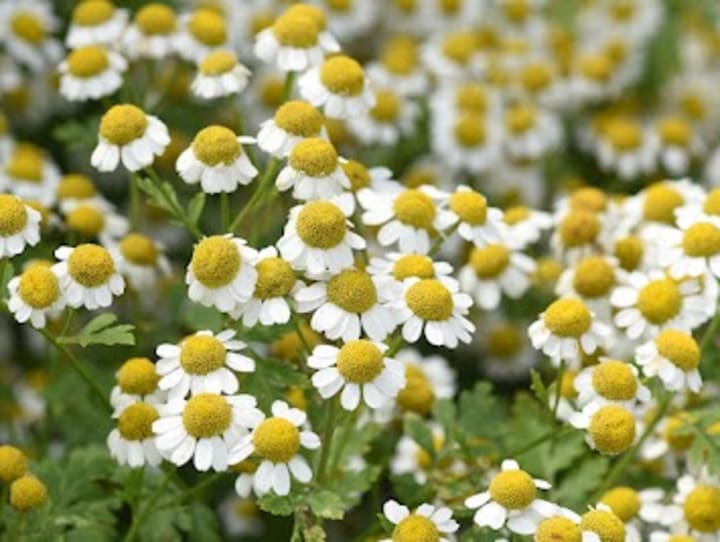
Feverfew is a flowering plant that is native to Europe and is often used to treat migraines and headaches. Feverfew has anti-inflammatory and analgesic properties and can also be used to treat arthritis and menstrual cramps. Feverfew contains compounds such as parthenolide and flavonoids, which are known for their anti-inflammatory and pain-relieving effects. You can harvest feverfew leaves and flowers for use in teas, tinctures, and infusions.
Conclusion:
In conclusion, growing medicinal plants in your home garden is not only a fun and rewarding hobby but also a great way to ensure a sustainable source of natural remedies. The top 10 medicinal plants we have discussed in this blog post - Chicory, Yarrow, California Poppy, Marshmallow, Chamomile, Evening Primrose, Lavender, Echinacea, Calendula, and Feverfew - have been used in traditional medicine for centuries and have numerous health benefits.
By categorizing each plant according to its medicinal properties, you can easily identify which plants will suit your needs. Whether you're looking for an immune-boosting herb, a natural pain reliever, or a calming herb, there is a medicinal plant that can help.
Please note that I have link in this article is affiliate link. I only recommend products and services that I have used and believe will be of value to my readers. Thank you for supporting my work!
About the Creator
Keep reading
More stories from Ayrat Gilmullin and writers in Longevity and other communities.
Day 4 of Quitting
If this is how sobriety feels, maybe it’s better to go through life a little buzzed… this, along with other hits like, I want to kill myself, I wish I was dead, and I’m going to throw myself off a bridge have been the only thoughts on rotation these past few days. I promise myself that if, in a month, I still feel like this (‘this’ meaning despondent, full of rage, and simultaneously numb) I can go back to smoking. Until mid-February though? Nicotine is off the table.
By sleepy drafts12 days ago in Longevity
Djokovic, the Eye of the Storm
There is something in Novak Djokovic’s gaze that cannot be taught. It is not a pose, nor a media strategy. It is deeper — almost primal — a stillness charged with silent intensity, a focus that seeks neither approval nor aesthetic grace, but survival. This look is not performative. It is inherited. In Melbourne, when he returns to the Australian Open, his eyes arrive before he does. They announce intent. They say everything before the first serve is even struck. Djokovic does not step onto the court to join a celebration of tennis. He enters an inner arena — one where time, pain, and memory collide.
By Laurenceau Portea day ago in Longevity




Comments
There are no comments for this story
Be the first to respond and start the conversation.