
The Silent Offender: Understanding Bad Breath and How to Defeat It
Uncover the Causes of Bad Breath and Discover Effective Remedies to Keep It Fresh

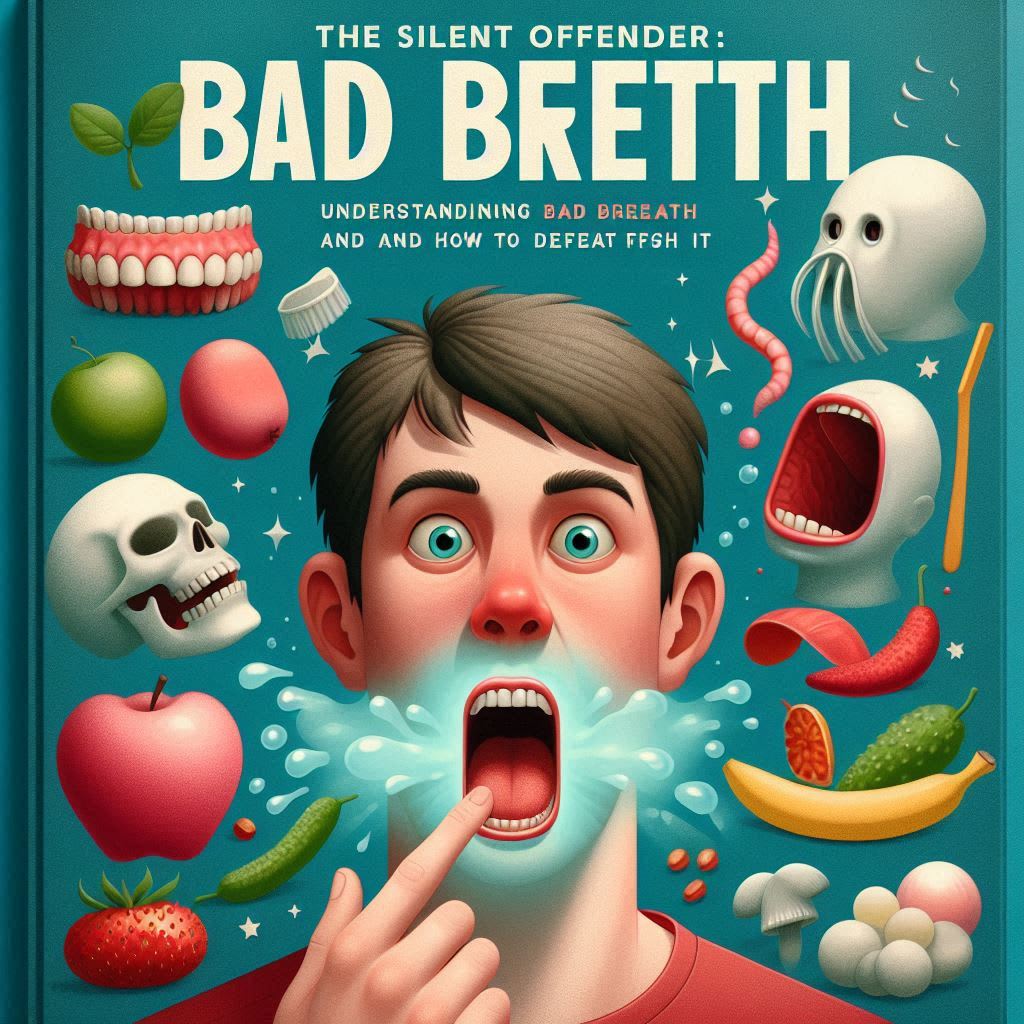
Bad breath, or halitosis, is one of those issues that, though not uncommon, can cause significant embarrassment and discomfort. It's the silent offender—often noticeable by others before the person experiencing it. While bad breath can seem like a minor issue, it can have significant social and psychological effects. Understanding its causes and remedies can make a world of difference in maintaining confidence and personal well-being.
What Causes Bad Breath?
Bad breath arises from several sources, ranging from dietary choices to more serious health conditions. Here are some of the most common causes:
1. Poor Oral Hygiene
This is the most frequent cause of bad breath. Inadequate brushing and flossing allow food particles to remain in the mouth, leading to bacterial growth. These bacteria produce sulfur compounds, which can emit a foul smell. Additionally, uncleaned tongues, which harbor a large number of bacteria, can contribute to bad breath.
2. Dry Mouth
Saliva is crucial in washing away food particles and bacteria. A dry mouth, or xerostomia, reduces saliva flow, causing food and bacteria to accumulate and result in bad breath. This condition can be due to medications, dehydration, or breathing through the mouth.
3.Food Choices
Certain foods like garlic, onions, and spicy dishes can cause temporary bad breath. These foods contain volatile oils that are absorbed into the bloodstream, carried to the lungs, and released when we exhale.
4. Tobacco Products
Smoking and using other tobacco products not only leave a bad smell in the mouth but also contribute to gum disease, which can lead to persistent bad breath.
5. Medical Conditions
In some cases, bad breath is a symptom of an underlying health problem. Conditions such as gum disease, sinus infections, respiratory tract infections, diabetes, gastrointestinal issues, and liver or kidney problems can all cause foul breath.
Effective Remedies to Banish Bad Breath
Fortunately, there are several effective strategies to combat bad breath and ensure fresh breath throughout the day. Here are some remedies and habits you can incorporate into your daily routine:
1.Practice Good Oral Hygiene
The most effective way to prevent bad breath is through consistent and thorough oral care. Brush your teeth at least twice a day with fluoride toothpaste, and don't forget to brush your tongue as well. The tongue is a breeding ground for bacteria, and gently brushing it can significantly reduce bad breath. Floss daily to remove food particles stuck between your teeth that a toothbrush can’t reach.
2.Stay Hydrated
Drink plenty of water throughout the day to help keep your mouth moist and wash away food particles. Chewing sugar-free gum or sucking on sugar-free candies can also stimulate saliva production, which helps fight dry mouth and freshen breath.
3.Use a Mouthwash
Using an antibacterial mouthwash can help kill bacteria that cause bad breath. Look for mouthwashes containing chlorhexidine, cetylpyridinium chloride, or essential oils like tea tree or peppermint. Rinsing with mouthwash after brushing and flossing can add an extra layer of protection against halitosis.
4.Watch Your Diet
Avoid foods known to cause bad breath, such as garlic, onions, and certain spices, especially before social events. Include fresh, crunchy fruits and vegetables in your diet, like apples and carrots, which can help clean your teeth naturally by stimulating saliva production. Drinking green tea, known for its antibacterial properties, can also help in reducing mouth odors.
5.Quit Smoking
Tobacco not only stains your teeth and affects your overall health, but it also causes bad breath. Quitting smoking can lead to immediate improvements in breath odor and overall oral health. Seek help from healthcare professionals if needed to find the best strategy for quitting.
6.Regular Dental Check-ups
Make it a point to visit your dentist regularly, ideally every six months. Professional cleanings remove tartar and plaque buildup that regular brushing and flossing might miss. Additionally, your dentist can identify and address any dental issues, such as gum disease, that might be causing bad breath.
7.Consider Probiotics
Emerging research suggests that probiotics, which are beneficial bacteria, might help manage bad breath by balancing the bacteria in the mouth. Including probiotic-rich foods like yogurt, kefir, and sauerkraut in your diet or taking a probiotic supplement can be beneficial.
8.Home Remedies
There are several simple home remedies that can help freshen your breath. Chewing parsley or mint leaves can provide a temporary freshening effect. Rinsing your mouth with a solution of baking soda and water can neutralize odors, while swishing with apple cider vinegar diluted in water may help kill odor-causing bacteria.
When to Seek Medical Advice?
If you've tried various remedies and your bad breath persists, it may be time to consult a healthcare professional. Persistent halitosis could be an indication of a more serious underlying condition. A dentist can check for signs of gum disease, tooth decay, or dry mouth and recommend appropriate treatment. If no dental cause is found, your dentist may refer you to a doctor to check for other health problems.
Try this Supplement for better Teeth and Gums
Conclusion: Fresh Breath, Fresh Confidence
Bad breath can affect anyone, but it doesn't have to be a source of worry or embarrassment. Understanding the causes and implementing effective remedies can help keep your breath fresh and your confidence high. By practicing good oral hygiene, staying hydrated, watching your diet, and seeking professional advice when needed, you can defeat bad breath and enjoy fresher breath every day.
This article contains affiliate links. If you go ahead and purchase anything, I may receive a small percentage.
https
About the Creator
Keep reading
More stories from Sufiyan mohammed shaikh and writers in Longevity and other communities.
13 Tips To Help You Lose Weight In The New Year requirement
Wading through weight loss information can seem to be a confusing task. There are so many ideas, plans, and programs. It can be easy to end up so overwhelmed that you lose sight of what you started out to do. In this article we will reveal some sound tips to get you going again.
By Sufiyan mohammed shaikh4 years ago in Longevity
5 Best Breakfast Foods for Better Blood Sugar, Recommended by Dietitians
KEY POINTS Skipping or not optimizing breakfast can impact blood sugar levels. A breakfast rich in fiber, protein and healthy fats can help stabilize blood sugar. Balanced breakfasts, like overnight oats, provide blood-sugar-stabilizing nutrients.
By Good health to everyoneabout 21 hours ago in Longevity
Pink Salt Bricks: Natural Support for Asthma Relief
Understanding Himalayan Salt Therapy? Starting deep underground, air fills with fine grains during Himalayan salt sessions. Though built indoors, these spaces mimic old mines across Eastern Europe - places linked to easier breathing among workers long ago.
By Emily Rosie3 days ago in Longevity



Comments
There are no comments for this story
Be the first to respond and start the conversation.