
The Role of Intermittent Fasting in Managing Autoimmune Diseases.
A Revolutionary Approach to Empowering Autoimmune Health using Intermittent fasting.

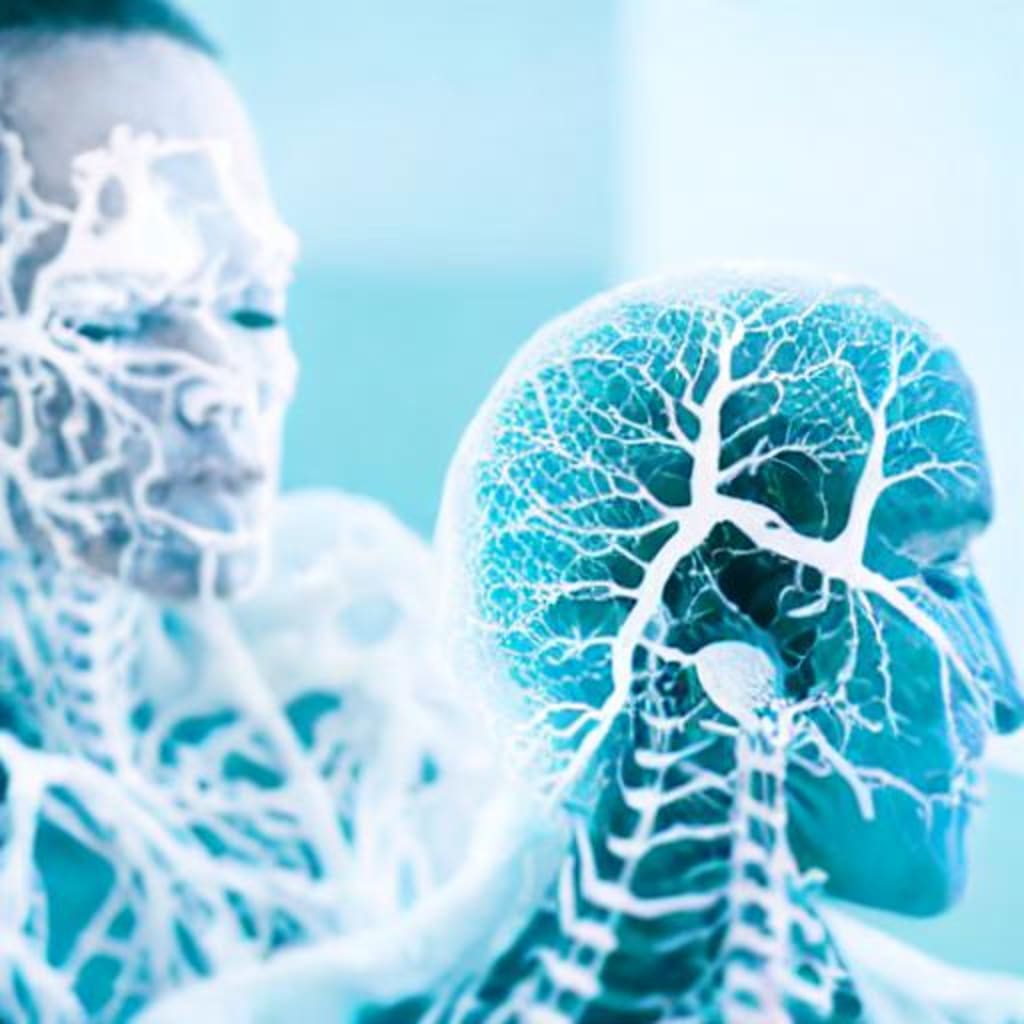
Autoimmune diseases have become increasingly prevalent in today's society, affecting millions of people worldwide. These conditions occur when the immune system mistakenly attacks healthy cells in the body, leading to chronic inflammation and a range of debilitating symptoms. While conventional treatments for autoimmune diseases often involve medication and lifestyle modifications, there is growing evidence to suggest that intermittent fasting may play a significant role in managing these conditions. In this article, we will explore the potential benefits of intermittent fasting for individuals living with autoimmune diseases, shedding light on how this dietary approach can help alleviate symptoms and improve overall well-being.
Understanding Autoimmune Diseases:
Before delving into the role of intermittent fasting, it is essential to grasp the underlying mechanisms of autoimmune diseases. Conditions such as rheumatoid arthritis, lupus, multiple sclerosis, and psoriasis are characterized by an overactive immune response that targets healthy tissues and organs. This immune dysregulation leads to chronic inflammation, which contributes to the progression and severity of these diseases. Therefore, finding strategies to modulate the immune system and reduce inflammation is crucial in managing autoimmune conditions.
The Science Behind Intermittent Fasting:
Intermittent fasting is an eating pattern that cycles between periods of fasting and eating. It does not specify which foods to eat but rather focuses on when to eat them. There are several methods of intermittent fasting, including the 16/8 method (fasting for 16 hours and restricting eating to an 8-hour window) and alternate-day fasting (alternating between fasting days and regular eating days). When we fast, our body undergoes various metabolic changes that can have a profound impact on our health.
Benefits of Intermittent Fasting for Autoimmune Diseases:
Reduces Inflammation: Chronic inflammation is a hallmark of autoimmune diseases, contributing to tissue damage and symptom severity. Studies have shown that intermittent fasting can significantly reduce inflammatory markers in the body, including C-reactive protein (CRP) and interleukin-6 (IL-6). By reducing inflammation, intermittent fasting may help alleviate symptoms and slow down the progression of autoimmune diseases.
Supports Autophagy: Autophagy is a natural cellular process that involves the recycling and removal of damaged or dysfunctional cellular components. It plays a vital role in maintaining cellular health and preventing the development of autoimmune diseases. Intermittent fasting has been found to enhance autophagy, promoting the clearance of cellular debris and reducing the risk of autoimmune-related tissue damage.
Regulates the Immune System: Intermittent fasting has shown promise in regulating immune function. It can help rebalance the immune system by promoting the production of regulatory T cells, which suppress excessive immune responses. This modulation of the immune system may help prevent autoimmune attacks and promote immune tolerance.Reduces Inflammation
Promotes Gut Health: The gut microbiome plays a crucial role in immune function and overall health. Imbalances in the gut microbiota have been linked to the development and progression of autoimmune diseases. Intermittent fasting has been found to promote a healthy gut microbiome by increasing microbial diversity and enhancing the growth of beneficial bacteria. By improving gut health, intermittent fasting may positively impact autoimmune conditions.
Incorporating Intermittent Fasting Safely:
While intermittent fasting shows promise in managing autoimmune diseases, it is important to approach it with caution and consult with a healthcare professional, especially if you have any underlying health conditions. Here are some tips for safely incorporating intermittent fasting into your lifestyle:
Start Slowly: Begin with shorter fasting periods, such as the 12/12 method, and gradually increase the fasting window as your body adapts.
Stay Hydrated: Drink plenty of water during fasting periods to stay hydrated and support bodily functions.
Focus on Nutrient-Dense Foods: When breaking your fast, prioritize whole, nutrient-dense foods to ensure you are getting the necessary vitamins, minerals, and antioxidants.
Listen to Your Body: Pay attention to how your body responds to intermittent fasting. If you experience any adverse effects, adjust your fasting schedule or discontinue it altogether.
While further research is needed to fully understand the potential of intermittent fasting in managing autoimmune diseases, the existing evidence suggests that it can be a valuable tool in reducing inflammation, supporting immune regulation, and promoting overall well-being. As with any dietary intervention, it is important to approach intermittent fasting with care and individualize it according to your specific needs. By working closely with healthcare professionals and adopting a holistic approach to managing autoimmune diseases, individuals may find relief and improved quality of life through the incorporation of intermittent fasting into their lifestyle.
About the Creator
Ola Royalty
Ola Royalty an intermittent fasting enthusiast that educates and guides individuals on the science-backed benefits of this lifestyle. Empowering others to embrace intermittent fasting for a healthier and transformative well-being
Keep reading
More stories from Ola Royalty and writers in Longevity and other communities.
Exploring the Symbiotic Relationship between Fasting and Hormones for Optimal Health.
In recent years, intermittent fasting has gained significant attention for its potential health benefits. From weight loss to improved brain function, this eating pattern has been praised for its versatility and effectiveness. However, what many people may not be aware of is the impact of intermittent fasting on hormonal balance. Understanding the interplay between fasting and hormones is crucial for optimizing your health and well-being. In this article, we will explore the connection between intermittent fasting and hormonal balance and provide you with valuable insights to make informed decisions about your dietary choices.
By Ola Royalty 3 years ago in Longevity
Day 4 of Quitting
If this is how sobriety feels, maybe it’s better to go through life a little buzzed… this, along with other hits like, I want to kill myself, I wish I was dead, and I’m going to throw myself off a bridge have been the only thoughts on rotation these past few days. I promise myself that if, in a month, I still feel like this (‘this’ meaning despondent, full of rage, and simultaneously numb) I can go back to smoking. Until mid-February though? Nicotine is off the table.
By sleepy drafts10 days ago in Longevity
Insulation Market Size and Forecast 2025–2033
Introduction The global insulation market is entering a decade of consistent and resilient expansion as governments, industries, and consumers increasingly prioritize energy efficiency, environmental sustainability, and long-term cost savings. According to Renub Research, the Insulation Market is expected to reach US$ 125.79 billion by 2033, up from US$ 68.65 billion in 2024, growing at a compound annual growth rate (CAGR) of 6.96% during 2025–2033. This upward trajectory reflects rising construction activity, tightening energy regulations, and a worldwide shift toward sustainable building materials across residential, commercial, and industrial applications.
By Marthan Sir4 days ago in Longevity



Comments
There are no comments for this story
Be the first to respond and start the conversation.