
The Rise of Mental Minimalism: Why Thinking Less Is Making People Live More
How a global movement to reduce mental clutter is improving focus, lowering stress, and boosting longevity in surprising ways.

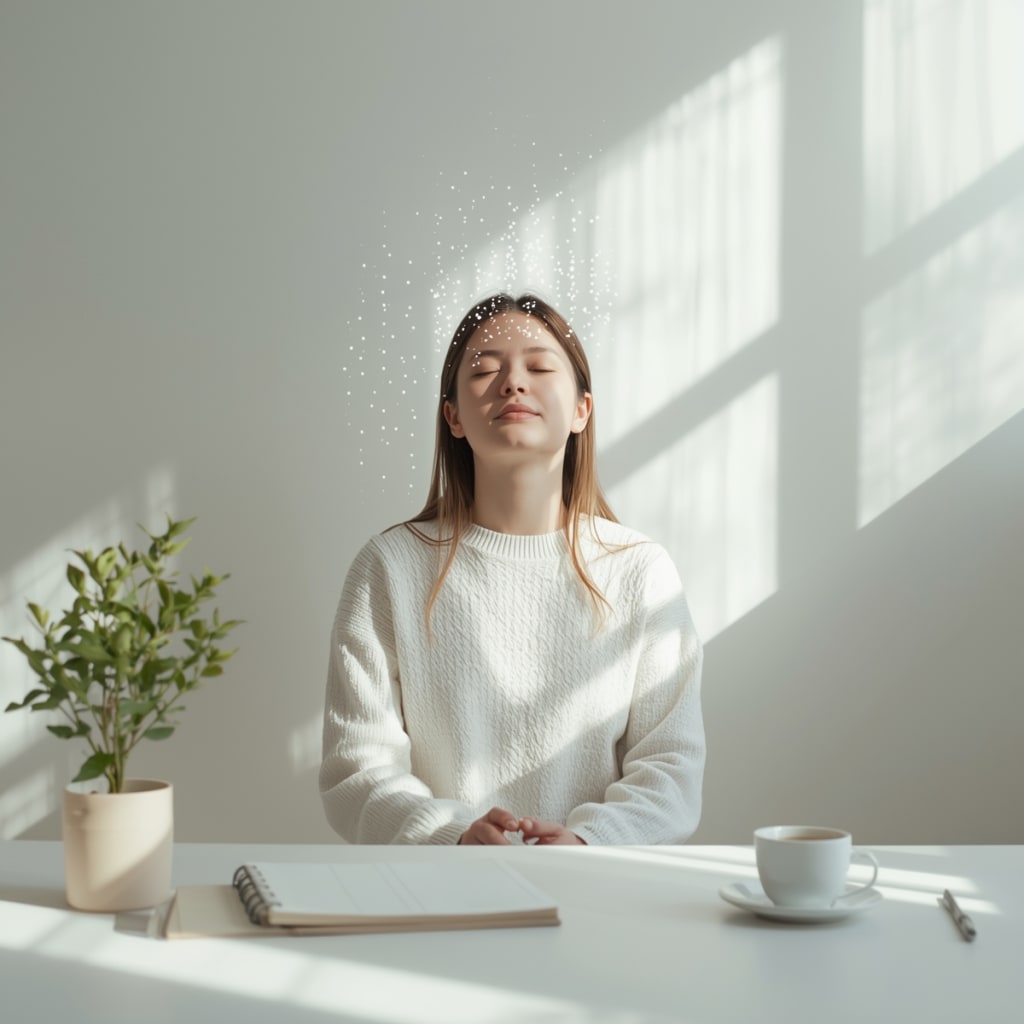
In a world overflowing with notifications, noise, choices, and constant pressure to “stay updated,” an unexpected movement has begun to take over wellness spaces, productivity communities, and even medical discussions: Mental Minimalism.
You’ve probably heard of minimalism for your closet, your home, or your digital life — but 2025 has introduced a new question:
What if the secret to a longer, happier life isn’t doing more… but thinking less?
Surprisingly, science says yes. And millions of people are now embracing this shift.
1. The New Epidemic: Thought Overload
Open your phone.
Scroll for two minutes.
That’s over 100 pieces of information entering your mind.
From TikTok micro-updates and endless group chats to breaking news and social pressure, our brains process more data in 24 hours than most people in the 1800s processed in a month.
Neuroscientists call it cognitive clutter — a state where the brain is so overloaded with micro-stimuli that it cannot focus, rest, or make clear decisions.
Symptoms include:
Mental fatigue
Foggy memory
Inability to concentrate
Emotional numbness
Anxiety without reason
Constant comparison with others
A 2024 study found that young adults check their phones 144 times per day, causing micro-stress spikes that add up like compound interest.
No wonder burnout is at an all-time high.
This is where Mental Minimalism comes in.
2. What Exactly Is Mental Minimalism?
Mental Minimalism is not about thinking slow or being passive.
It’s about removing mental junk so the mind has space to think clearly.
The movement focuses on three key principles:
✔ Think Less About What Doesn’t Matter
Worrying about things you can’t control
→ drains your lifespan.
✔ Focus Deeply on What Matters Most
One goal.
One priority.
One meaningful direction.
Not seven.
✔ Create Space for the Brain to Recharge
A well-rested mind can solve more in one hour
than a scattered mind can in ten.
Just like minimalism at home brings peace, minimalism in the mind brings long-term vitality.
3. The Harvard Discovery That Started the Trend
In early 2025, Harvard researchers published a study linking:
reduced mental clutter
increased slow-wave brain activity
longer telomeres (the true marker of aging)
Translation?
A calmer brain ages slower.
The study revealed that people who practiced daily “mental reduction habits” — like limiting notifications, taking reflection breaks, and reducing decision fatigue — showed:
32% lower stress levels
21% better memory
17% improved sleep quality
and the shocking part:
their biological age was 2.8 years younger than their actual age.
This was the spark that made Mental Minimalism go viral.
4. The 5-Minute Ritual Everyone Swears By
The movement’s most popular practice is called:
“The Daily Reset”
It takes only five minutes.
Here’s how it works:
Sit in silence.
Close your eyes.
Breathe slowly.
Ask yourself one question:
“What actually matters today?”
Let every other thought go.
People report:
clearer priorities
calmer mood
less reaction to stress
deeper productivity
emotional stability
It sounds simple — but it’s transforming thousands of lives.
5. Why Mental Minimalism Helps You Live Longer
Longevity experts say the movement is powerful for three reasons:
1️⃣ It Lowers Chronic Stress
Mental clutter → cortisol rise → inflammation → aging.
Reducing overstimulation calms the nervous system and protects organs from long-term damage.
2️⃣ It Improves Deep Sleep
A quiet mind falls asleep quicker and enters the restorative stages more often — which is where longevity magic happens.
3️⃣ It Boosts Neuroplasticity
With less mental noise, the brain forms stronger pathways for:
memory
learning
emotional wisdom
A calmer mind is literally a longer-living brain.
6. Real People Are Seeing Real Change
Across social media, thousands share their “mental minimalism transformations.”
Here are two:
● A marketing manager from London
stopped checking notifications every 10 minutes.
After 30 days:
fewer headaches
better mood
higher productivity
deeper conversations
● A student from Canada
cut her daily information intake by half.
After 2 weeks:
clearer self-esteem
no more panic scrolls
better sleep cycle
People aren’t trying to escape reality — they’re filtering it.
7. How to Start Mental Minimalism Today
Here are the four simplest ways to remove mental clutter:
1. “Notification Diet”
Turn off everything except:
calls
essential messages
apps you truly need
This alone reduces stress dramatically.
2. “One Priority Rule”
Instead of 10 tasks a day, pick one that matters most.
You finish more because your mind is focused.
3. “Mindful Unfollowing”
Remove accounts that:
make you compare
add noise
drain your energy
Your digital environment shapes your mental environment.
4. “White Space Time”
Take 10 minutes daily with:
no music
no screen
no conversation
This refreshes the brain like a mental shower.
8. Why This Trend Isn’t Going Away
Mental Minimalism is not a short-lived wellness hack.
It’s a response to a world that’s becoming louder, faster, and more overwhelming each year.
People no longer want a busy mind.
They want a strong, peaceful one.
They want:
clarity
focus
emotional balance
long-term health
and a mind built for the next 50 years
Not the next 5 minutes.
Mental Minimalism offers exactly that.
✨ Final Thought
If minimalism helped us declutter our homes, Mental Minimalism is helping us declutter our lives.
It’s a return to what truly matters:
presence
stillness
purpose
peace
longevity
Because at the end of the day,
a calm mind is the ultimate success.
About the Creator
Keep reading
More stories from arsalan ahmad and writers in Longevity and other communities.
Day 4 of Quitting
If this is how sobriety feels, maybe it’s better to go through life a little buzzed… this, along with other hits like, I want to kill myself, I wish I was dead, and I’m going to throw myself off a bridge have been the only thoughts on rotation these past few days. I promise myself that if, in a month, I still feel like this (‘this’ meaning despondent, full of rage, and simultaneously numb) I can go back to smoking. Until mid-February though? Nicotine is off the table.
By sleepy drafts12 days ago in Longevity
Olivia Dean
In an age where music often feels rushed and overproduced, Olivia Dean stands out by doing something surprisingly simple: she sounds honest. Her voice carries warmth, restraint, and emotional clarity, making listeners feel understood rather than overwhelmed. Olivia Dean is not just another rising singer; she represents a return to music that values feeling over noise. Born and raised in London, Olivia Dean grew up surrounded by a mix of musical influences. From a young age, she was drawn to soul, pop, and jazz, genres that prioritize storytelling and emotion. This foundation shaped her artistic identity and continues to influence the way she writes and performs today. Rather than chasing trends, Dean focuses on timeless sounds and relatable experiences. What makes Olivia Dean special is not just her technical ability, but her emotional intelligence as an artist. Her songs often explore themes like self-worth, love, vulnerability, and growth. These are universal ideas, yet she presents them in a way that feels deeply personal. Listening to her music can feel like reading someone’s private journal—quiet, reflective, and sincere. One of her greatest strengths is her voice. It is soft without being weak, powerful without being aggressive. She knows when to hold back and when to lean in, allowing space for emotions to breathe. This control gives her music a calm confidence that resonates with listeners who are tired of constant intensity. Her vocals don’t demand attention; they invite it. Olivia Dean’s songwriting also deserves attention. Her lyrics are simple but thoughtful, avoiding dramatic exaggeration. She writes about real emotions in everyday language, which makes her songs easy to connect with. There is no need to decode hidden meanings or metaphors that feel forced. Instead, her words flow naturally, reflecting real conversations and feelings many people experience but struggle to express. Another important aspect of her artistry is authenticity. In interviews and performances, Dean comes across as grounded and self-aware. She openly talks about personal growth, creative struggles, and learning to trust herself. This honesty builds a strong connection with her audience, especially young listeners navigating similar emotions. She doesn’t present herself as perfect, and that makes her relatable. Her rise in the music industry has been steady rather than explosive, and that slow growth feels intentional. Olivia Dean has taken time to develop her sound, refine her message, and understand who she is as an artist. This patience shows in the quality of her work. Each release feels considered, not rushed, and that consistency builds long-term trust with her audience. Live performances further highlight her strength as a musician. On stage, she maintains the same warmth and control that define her recordings. There is no overacting or unnecessary spectacle. Instead, she focuses on connection—between herself, the music, and the audience. This creates an intimate atmosphere, even in larger venues, where listeners feel emotionally present rather than distracted. Olivia Dean’s influence extends beyond music alone. She represents a generation of artists who prioritize mental health, self-awareness, and balance. Her work encourages listeners to slow down, reflect, and accept themselves as they are. In a world driven by constant comparison and pressure, this message feels both refreshing and necessary. Fashion and visual presentation also play a subtle role in her identity. Dean’s style is elegant but understated, mirroring the tone of her music. She avoids excess and instead embraces simplicity, allowing her personality and voice to remain the focus. This alignment between sound, image, and message strengthens her overall artistic presence. As her career continues to grow, Olivia Dean remains a reminder that success does not have to be loud to be meaningful. Her journey shows that there is space in modern music for softness, reflection, and emotional honesty. She proves that artists can build strong connections without sacrificing integrity or authenticity. In the long run, Olivia Dean’s impact may not be measured by chart positions alone, but by the way her music stays with people. Her songs feel like companions during quiet moments—on late-night walks, early mornings, or times of personal change. That kind of connection is rare, and it is what gives her work lasting value. Olivia Dean is not trying to reinvent music. Instead, she is reminding us why it matters in the first place. Through her voice, her words, and her presence, she offers something increasingly rare: comfort, clarity, and genuine emotion. And in today’s fast-moving world, that might be her greatest strength.
By Saboor Brohi about 19 hours ago in Longevity




Comments
There are no comments for this story
Be the first to respond and start the conversation.