
The Price of Cheap Supplements
What you’re really paying for in low-quality vitamins

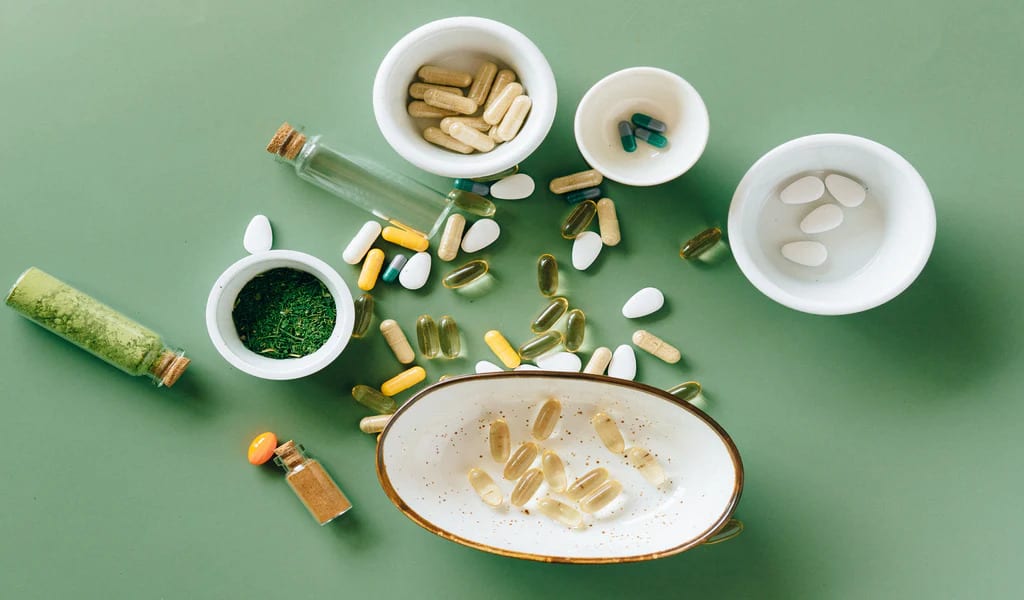
As I learn more about vitamins and supplements, one thing becomes abundantly evident: in a market flooded with promises of health, vigor, and longevity, there is an invisible price being paid that many consumers are unaware of. The appeal of low prices is strong, so why pay $50 for a bottle of vitamins when you can get some similar-looking ones for $10?
Little do we know that those pennies saved can cost a great deal more in the long term. And it’s not the kind of price you’ll find on a receipt. What you’re really paying for in low-quality vitamins goes far beyond a cheap bottle of pills. The hidden costs? They show up in your health, safety, and the twisted ethics (or lack thereof) behind how these products are made. When we strip away the layers, it’s a reality most of us would prefer not to know.
The Shady Manufacturing Process
While there are many benefits a toll manufacturing can offer, if you don’t get to know them very well you may encounter misaligned expectations, quality control issues, and potential disruptions.
Perhaps the most alarming fact about low-cost supplements is the lack of oversight in their production. While the FDA theoretically has regulations for supplement manufacturers, vitamins and supplements are not regulated as strictly as pharmaceuticals. The FDA doesn’t need to approve them for safety or effectiveness before they hit store shelves, creating a significant loophole for manufacturers, especially those making cheaper versions, to cut corners.
There’s no magic behind a cheap product. Something had to be sacrificed. Manufacturing is often the first place where companies save money. High-quality manufacturers follow strict Good Manufacturing Practices (GMP), but bargain brands often don’t. GMP violations in cheaper manufacturing may involve poor hygiene, cross-contamination, and unregulated equipment, resulting in products tainted with heavy metals, pesticides, or even harmful bacteria.
I’ve read numerous stories of supplements being made in factories that would give any human being nightmares. In addition to these reports of dirty machines, handling of ingredients is not done properly, and unqualified workers are not just occasional problems; they are endemic in some of these cheaper factories.
Ingredient Sourcing of Cheap Raw Materials
One of the reasons low-cost supplements can remain cheap is due to where their ingredients are sourced. Quality raw materials are expensive, and when manufacturers aim to cut costs, they often turn to regions with cheap labor, lax regulations, and questionable material quality.
Take China, for example. It’s the largest global supplier of raw materials for vitamins and supplements, but it’s notorious for its lax safety standards. Some manufacturers source ingredients from areas where contamination with heavy metals, pesticides, or harmful additives is common. While these low-cost ingredients appeal to cheap supplement producers, they also put consumers at risk.
To be blunt, when you’re buying rock-bottom-priced vitamins, you could be ingesting lead, cadmium, or other harmful substances from poorly sourced ingredients. This isn’t fear-mongering—it’s a reality many people are unaware of. Independent studies have found traces of heavy metals in popular supplement brands that have cut corners to keep prices low.
You Get What You Pay For
Supplements are meant to fill nutritional gaps and improve health, right? But here’s the kicker: cheap vitamins often don’t even achieve that. What many people don’t realize is that the quality of the ingredients in your supplements directly affects how well your body can absorb and use those nutrients. This is called bioavailability, and it’s a crucial factor when assessing the effectiveness of any vitamin or supplement.
Low-quality supplements often use subpar forms of vitamins and minerals that the body struggles to absorb. For example, the calcium carbonate found in cheap calcium supplements is much less absorbable than the calcium citrate commonly used in higher-quality products. The same goes for magnesium oxide, a cheap form of magnesium that is far less effective than magnesium glycinate.
So, while the label might say you’re getting 500 mg of calcium, your body may only absorb a fraction of that. The rest? Flushed out, essentially wasted. That $10 bottle suddenly doesn’t seem like such a deal anymore, does it? You might as well be flushing your money down the drain—literally.
The Question of Potency
Potency is another major concern. High-quality supplements are rigorously tested to ensure they contain the amounts of active ingredients listed on the label. But with cheaper products, that’s often not the case. Independent testing has shown that cheap vitamins often contain far less of the active ingredient than advertised, or in some cases, none at all.
What’s even more concerning is the inconsistency from batch to batch. One bottle might have the correct dosage, while the next is diluted. If you’re taking supplements to address specific health concerns, this inconsistency could make them ineffective or even dangerous. Imagine relying on a vitamin D supplement for a deficiency, only to find it’s not delivering the needed levels. The consequences aren’t just a waste of money—they could lead to real health problems.
Dangerous Additives and Fillers
Cheap supplements often come loaded with unnecessary—and sometimes harmful—additives and fillers. Why? Because these additives allow manufacturers to bulk up the product while keeping costs low. But these fillers usually serve no real purpose other than to pad the product and reduce the amount of active ingredients. In some cases, they can even cause adverse reactions.

For example, magnesium stearate is a common additive used as a flow agent in many supplements. While it’s generally safe in small amounts, studies have shown that it can inhibit nutrient absorption in higher doses. Other cheap fillers, like artificial colors, binders, and preservatives, can cause allergic reactions or gastrointestinal issues. Once again, when you're buying cheap, this is part of the hidden cost that doesn’t show up on the price tag.
The Real Cost of Cheap Supplements
What’s the real price of cheap supplements? That $10 you saved at the checkout isn’t the only thing. Instead, the odds for the harmful impact, from contaminated ingredients, reduced effectiveness due to poor bioavailability, unethical manufacturing practices, to potential health risks with the unregulated products, are stacked against you.
It’s a bit of a wild west in the supplement industry. There’s very little oversight and a lot of room for bad actors to take advantage of unsuspecting consumers. Not only are we vigilantes for our own health, but also so that these low-cost products do not have too big an impact on the people who produce them and the environment.
Final Thoughts: Are Cheap Supplements Worth the Risk?
Ultimately, we need to ask ourselves this:
Is saving a few dollars really worth risking our health?
When you consider everything—from poor manufacturing practices to dangerous fillers and contaminants—it’s clear that cheap supplements are no bargain.
Are we really okay with supporting an industry that thrives on cutting corners, deceiving consumers, and putting profits over people? Is saving a few bucks today worth sacrificing our health in the long run? The choice is ours.
But let’s not pretend that price is the only thing we’re paying for when it comes to cheap supplements. The true cost is far greater than what’s on the label. It’s time to stop gambling with your health and reassess where you’re placing your trust.
About the Creator
Niklaus M.
I love reading fiction (that's where I developed my love of writing as well). Since 14, I have been writing poems and haikus as well.
Keep reading
More stories from Niklaus M. and writers in Longevity and other communities.
How Interactive Content Go Along With Any Business Digital Transformation
Interactive content are materials that help an individual to convey its message and motivates the attention span of the user. Through such forms of content strategies, user’s content experiences are shifting from passive to active interaction.
By Niklaus M.4 years ago in Journal
Day 4 of Quitting
If this is how sobriety feels, maybe it’s better to go through life a little buzzed… this, along with other hits like, I want to kill myself, I wish I was dead, and I’m going to throw myself off a bridge have been the only thoughts on rotation these past few days. I promise myself that if, in a month, I still feel like this (‘this’ meaning despondent, full of rage, and simultaneously numb) I can go back to smoking. Until mid-February though? Nicotine is off the table.
By sleepy drafts14 days ago in Longevity
So You Decided To Become a Nurse Practitioner:
So you decided to become an "Advanced Practice" nurse. Congratulations!... is what I would say if this was a good idea. Grad school? In this economy? What were you thinking? Likely it was something along the lines of either 1) “I've seen these other chucklefucks do it— Why can't I?” or even 2) “I've got a nice career, I should shake it up. I miss feeling like I have no clue what I'm doing.”
By Sandor Szabo4 days ago in Fiction



Comments
There are no comments for this story
Be the first to respond and start the conversation.