
The Origins of Human Design: Ra Uru Hu's Story
Exploring the Mystical Journey of Ra Uru Hu and the Creation of a Revolutionary System for Self-Discovery!!!

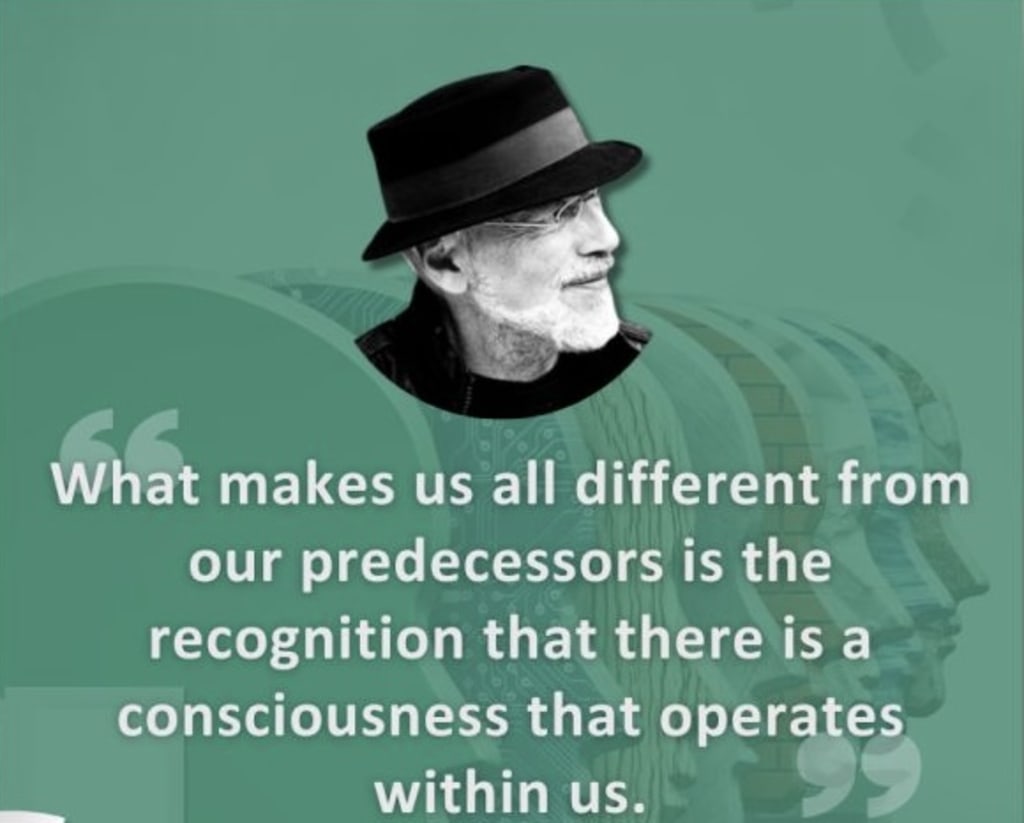
Human Design is a fascinating system that synthesizes various elements of astrology, the I Ching, the Kabbalah, the Chakra system, and quantum physics. It presents a unique lens through which individuals can understand their personality, strengths, and challenges. At the heart of this system lies its founder, Ra Uru Hu, a figure shrouded in mystery and intrigue. His life and experiences are fundamental to understanding the origins of Human Design.
Who is Ra Uru Hu?
Born Robert Alan Krakower in 1948 in Montreal, Canada, Ra Uru Hu was an ordinary man with a diverse range of interests, including art, music, and metaphysics. However, his life took a dramatic turn in 1987, when he experienced a mystical encounter that would change his life forever.
During a period of deep introspection, Ra Uru Hu had what he described as a "voice" that communicated profound insights about the nature of humanity and consciousness. This experience lasted for eight days and nights, during which he received the foundational teachings of what would become Human Design. He often referred to this encounter as "The Voice," and it left an indelible mark on his life, compelling him to explore and articulate the insights he had received.
The Development of Human Design
Following his transformative experience, Ra Uru Hu dedicated himself to developing the Human Design system. He spent years studying various disciplines and integrating their concepts into a cohesive framework. The unique blend of astrology, the I Ching, and other mystical systems forms the backbone of Human Design.
Astrology
Astrology is crucial to Human Design, as it helps to determine an individual's Type, Authority, Profile, and Centers. Each person's design is calculated using their birth date, time, and location, which reveals their astrological chart. Ra integrated traditional astrological concepts with a modern twist, allowing individuals to explore their personality traits and life path.
The I Ching
The I Ching, or Book of Changes, is an ancient Chinese divination text that explores the idea of change and transformation. In Human Design, it is used to create the 64 Hexagrams, which are linked to the 64 Gates in the Human Design chart. Each Gate has specific meanings and corresponds to particular energies that influence an individual's behavior and decisions.
The Kabbalah
Kabbalah, a mystical tradition within Judaism, also plays a significant role in Human Design. Ra drew parallels between the Tree of Life in Kabbalah and the Human Design chart, using the structure of the Tree to map out various energies and pathways that individuals navigate throughout their lives.
The Chakra System
The Chakra system, which originates from ancient Indian traditions, describes energy centers within the body. In Human Design, these Chakras are reinterpreted as Centers that can be defined or undefined, influencing how individuals interact with the world around them. This integration offers a holistic view of how energy flows through an individual, affecting their behavior, emotions, and decision-making processes.
Quantum Physics
Ra Uru Hu was also influenced by the principles of quantum physics. He believed that Human Design offers a way to understand the interconnectedness of all beings and the non-linear nature of reality. This perspective emphasizes the importance of individual experiences within a larger cosmic framework, helping individuals appreciate their unique role in the grand scheme of life.
The Human Design System
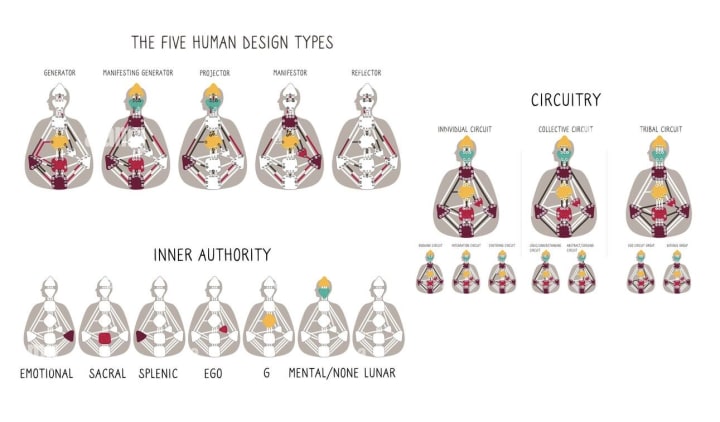
Ra Uru Hu established Human Design as a tool for self-discovery and personal growth. The system categorizes individuals into five Types: Manifestors, Generators, Projectors, Reflectors, and Manifesting Generators. Each Type has its own strategy for making decisions and interacting with the world. Understanding one's Type can provide valuable insights into how to navigate life's challenges and relationships.
The Four Key Components
Type: Indicates how a person is designed to interact with the world.
Authority: Represents the inner guidance system that helps individuals make decisions aligned with their true selves.
Profile: A combination of numbers that describe a person's life theme and the lessons they are here to learn.
Centers: Reflect the energy dynamics within an individual, showing where they are defined (consistent) or undefined (variable).
The Legacy of Ra Uru Hu
Ra Uru Hu continued to teach and develop the Human Design system until his passing in 2011. His teachings have inspired a global community of practitioners, enthusiasts, and seekers. Today, Human Design is utilized in various fields, from personal development to corporate coaching, as individuals and organizations seek to harness its insights for better understanding and collaboration.
His legacy is also carried forward through various Human Design schools and resources, ensuring that the knowledge he imparted continues to grow and evolve. Ra's journey and the development of Human Design illustrate the power of personal transformation and the importance of self-awareness in navigating the complexities of life.
Conclusion
The origins of Human Design are deeply rooted in the unique experiences and insights of Ra Uru Hu. His mystical encounter and subsequent explorations in astrology, the I Ching, Kabbalah, the Chakra system, and quantum physics culminated in a profound system that offers individuals a roadmap for self-discovery and empowerment. As the Human Design community continues to expand, the teachings of Ra Uru Hu remain a guiding light for those seeking to understand themselves and their place in the world.
Thank you 🙏
Future of Resilience
About the Creator
Future of Resilience
I enjoy writing book and product review, relationship and parenting blogs. I hope you enjoy my writing. Happy Reading!
Keep reading
More stories from Future of Resilience and writers in Longevity and other communities.
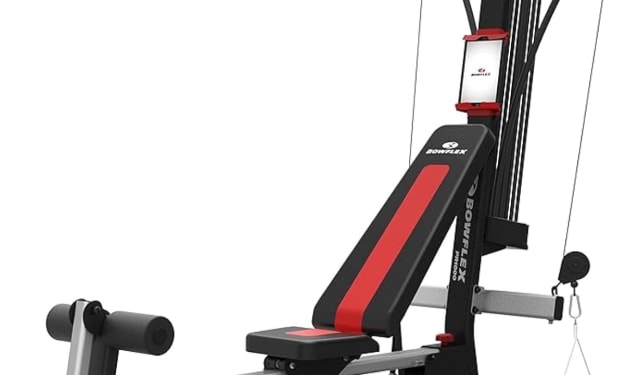
Bowflex PR 1000 Review: The Compact Home Gym That Delivers Versatility
The Bowflex PR 1000 is a home gym machine designed to provide a full-body workout with versatility and convenience. As a budget-friendly option for those who want to stay fit without leaving the house, it promises a range of features aimed at improving strength, cardiovascular health, and overall fitness. Here's an in-depth review of the Bowflex PR 1000, breaking down its key attributes into five essential points.
By Future of Resilience about a year ago in Longevity
Day 4 of Quitting
If this is how sobriety feels, maybe it’s better to go through life a little buzzed… this, along with other hits like, I want to kill myself, I wish I was dead, and I’m going to throw myself off a bridge have been the only thoughts on rotation these past few days. I promise myself that if, in a month, I still feel like this (‘this’ meaning despondent, full of rage, and simultaneously numb) I can go back to smoking. Until mid-February though? Nicotine is off the table.
By sleepy drafts12 days ago in Longevity
I Looked Strong to Everyone, but I Was Falling Apart in Silence
Everyone thought I was strong. I was the one who checked on others, met deadlines, showed up with a smile, and said, “I’m good” without hesitation. If strength had a face, people told me it looked like mine.
By Fazal Hadi2 days ago in Longevity



Comments (1)
Good work. It is all in what makes you feel good and believe.