
The most dangerous foods in the world
Some foods, if not prepared and consumed properly, can cause paralysis, poisoning or even stomach perforation.

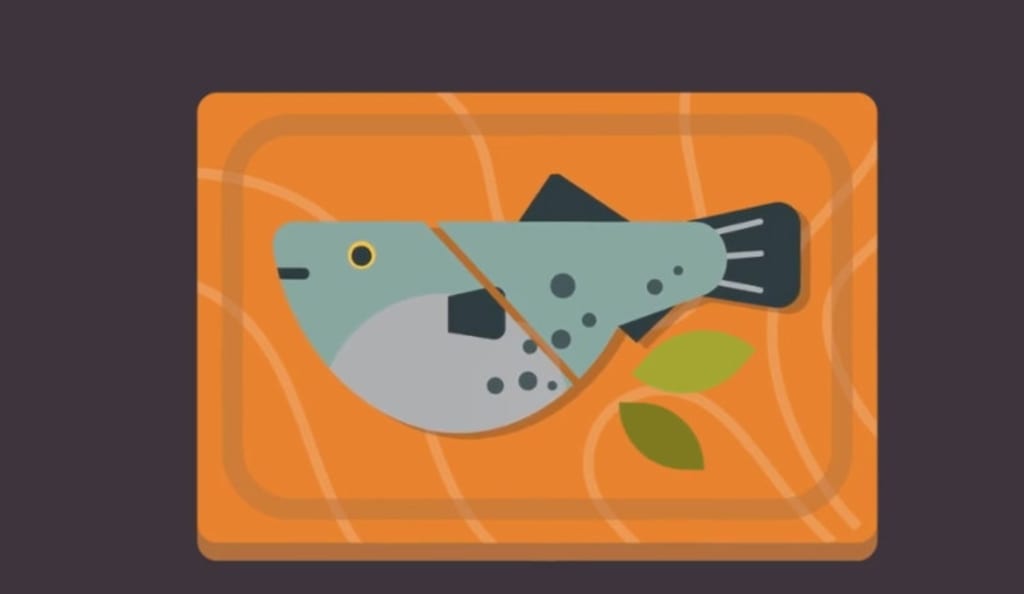
Some foods, if not prepared and consumed properly, can cause paralysis, poisoning or even stomach perforation.
Japanese puffer fish contain the poison tetrodotoxin, which causes paralysis of the nervous system.
Japanese puffer fish contain the poison tetrodotoxin, which causes paralysis of the nervous system.
Fugu : is a Japanese dish made from puffer fish that contains tetrodotoxin , a neurotoxin. If this dish is not processed properly, the amount of toxin that is not completely removed can cause paralysis.
Pangium edule : the fruit and seeds of this fruit contain hydroxycyanide, a very poisonous acid. The seeds must be boiled and then buried in the ground for 40 days before they can be used.
Cassava : Cassava is one of the world's most popular foods. It is a staple food for more than 800 million people today. But according to the U.S. National Library of Medicine, its leaves and roots can contain cyanide, which can lead to acute poisoning or even death. The best way to prevent this is to cook cassava properly before storing or eating it.
Raw Kidney Beans : Kidney beans can be delicious and nutritious in many dishes, but you should never eat them raw. Raw kidney beans contain a toxin called phytohaemagglutinin. Just a handful of beans can cause symptoms such as vomiting and headaches. However, the toxin is significantly reduced when the beans are cooked.
Sannakji or Korean-style live octopus : Sannakji is a dish of live octopus that is eaten while the tentacles are still wriggling. The danger here is that even though the chef has killed the octopus before serving it, the nerve activity still allows the tentacles to wiggle, meaning their suction cups can get stuck in your throat when you swallow. According to Food & Wine, an average of six people die each year from choking on this dish.

Donut.
Bagels: This is probably the most harmless-seeming food on the list. Bagels are obviously not poisonous, but the starchy breakfast food is responsible for one of the most common knife injuries in the kitchen because they are tough and difficult to cut. According to the U.S. Consumer Product Safety Commission, in 2011, an estimated 2,000 Americans were taken to the emergency room for bagel-related injuries..
Pangium edule : the fruit and seeds of this fruit contain hydroxycyanide, a very poisonous acid. The seeds must be boiled and then buried in the ground for 40 days before they can be used.
Cassava : Cassava is one of the world's most popular foods. It is a staple food for more than 800 million people today. But according to the U.S. National Library of Medicine, its leaves and roots can contain cyanide, which can lead to acute poisoning or even death. The best way to prevent this is to cook cassava properly before storing or eating it.
Raw Kidney Beans : Kidney beans can be delicious and nutritious in many dishes, but you should never eat them raw. Raw kidney beans contain a toxin called phytohaemagglutinin. Just a handful of beans can cause symptoms such as vomiting and headaches. However, the toxin is significantly reduced when the beans are cooked.
Sannakji or Korean-style live octopus : Sannakji is a dish of live octopus that is eaten while the tentacles are still wriggling. The danger here is that even though the chef has killed the octopus before serving it, the nerve activity still allows the tentacles to wiggle, meaning their suction cups can get stuck in your throat when you swallow. According to Food & Wine, an average of six people die each year from choking on this dish.
About the Creator
Ken Daklak
Telling stories my heart needs to tell <3 life is a journey, not a competition
If you like what you read, feel free to leave a tip,I would love some feedback
https://s.shopee.vn/VwwLTGLe9
Keep reading
More stories from Ken Daklak and writers in Longevity and other communities.
Amazon Savings Secrets for Disabled & Chronically Ill Shoppers
Disabled and chronically ill people often pay more for basic life: delivery fees, specialty items, replacements for things that break faster, and the constant “convenience tax” of needing things shipped because stores aren’t accessible.
By Tracy Stine3 days ago in Longevity



Comments
There are no comments for this story
Be the first to respond and start the conversation.