
The Medicinal Benefits of Nettle (Urtica dioica)
Unveiling the Science-Backed Health Benefits of Nettle

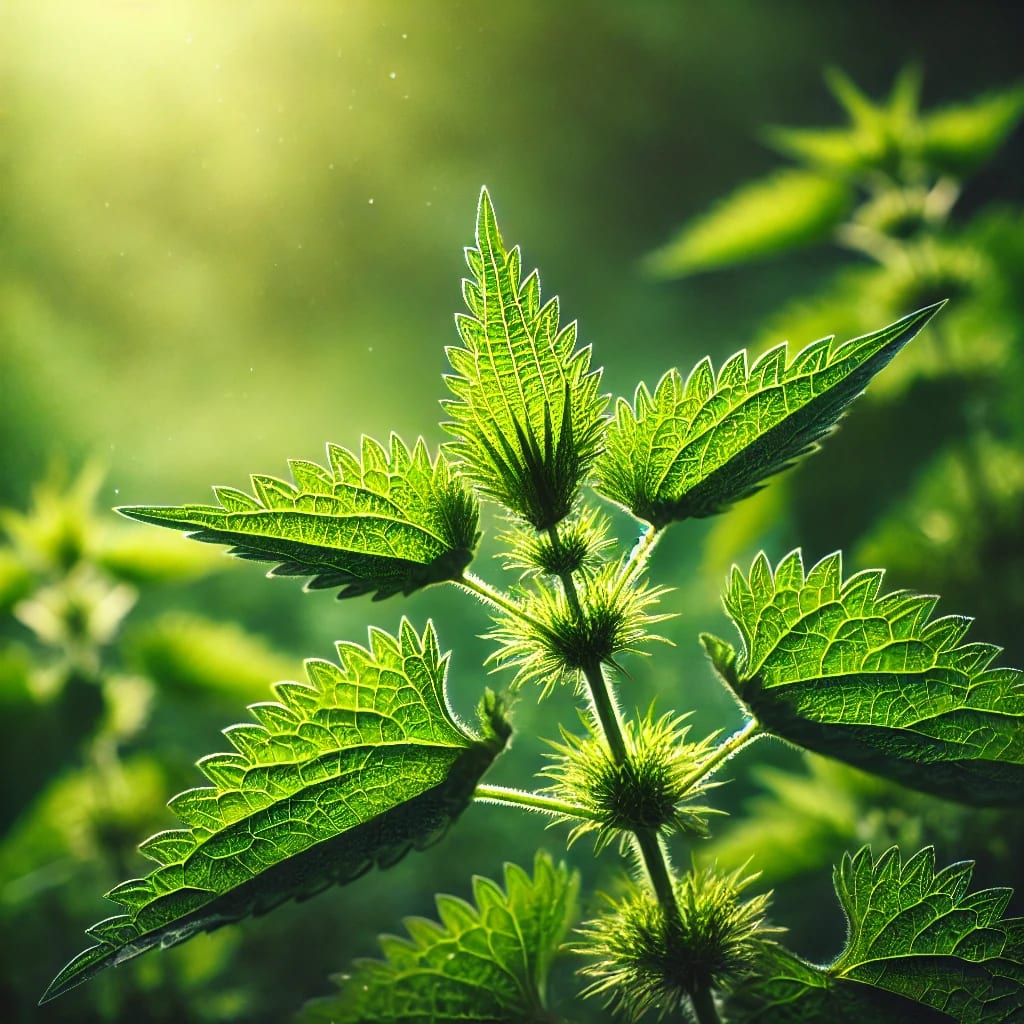
Nettle (Urtica dioica), often regarded as a stinging weed, is a powerful medicinal plant with a long history of use in traditional medicine. Known for its nutrient-rich composition and therapeutic properties, nettle is used to address a variety of health concerns ranging from inflammation and allergies to urinary tract issues. Backed by scientific studies, this versatile herb deserves its place in modern herbal medicine.
1. Anti-inflammatory Properties
Nettle is renowned for its ability to reduce inflammation, making it a natural remedy for conditions like arthritis, gout, and other inflammatory disorders. The plant contains bioactive compounds such as flavonoids, polyphenols, and carotenoids that work as natural anti-inflammatories.
A 2013 study in Phytomedicine highlighted the efficacy of nettle extract in reducing inflammation by inhibiting the production of inflammatory cytokines like TNF-alpha and IL-1 beta (Chrubasik et al., 2013). Patients with osteoarthritis experienced significant pain relief and improved joint mobility after using nettle preparations.
2. Supports Joint Health and Relieves Arthritis
Nettle’s anti-inflammatory and analgesic effects are particularly beneficial for those suffering from arthritis. When applied topically or consumed as a tea, nettle can help reduce joint pain and swelling.
Research published in Rheumatology International in 2018 found that applying nettle leaf topically on arthritic joints significantly reduced pain and stiffness, attributed to the herb's active compounds such as histamine and serotonin (Teucher et al., 2018). The study supported nettle’s role as a natural complementary treatment for arthritis.
3. Allergy Relief and Antihistamine Effects
Nettle has long been used to combat seasonal allergies such as hay fever. The plant’s ability to block histamine receptors and reduce inflammation makes it effective in alleviating symptoms like sneezing, runny nose, and itchy eyes.
A 2017 study published in Planta Medica demonstrated that nettle extract inhibited the activation of mast cells, which are responsible for releasing histamines during allergic reactions. The study suggested that nettle could serve as a natural antihistamine for managing allergies (Randall et al., 2017).
4. Promotes Urinary Tract Health
Nettle is widely recognized for its benefits in supporting urinary health. It is particularly effective in managing symptoms of benign prostatic hyperplasia (BPH), a common condition in older men that causes difficulty in urination. Nettle root extract works by inhibiting enzymes involved in prostate enlargement and reducing inflammation in the urinary tract.
A 2019 randomized clinical trial published in Urology Journal found that patients with BPH who took nettle root extract experienced significant improvements in urinary flow and reduced nighttime urination compared to a placebo group (Safarinejad, 2019). The study validated nettle as a natural remedy for prostate health.
5. Rich in Nutrients and Antioxidants
Nettle is a nutritional powerhouse, packed with vitamins (A, C, and K), minerals (iron, calcium, and magnesium), and essential amino acids. These nutrients make nettle an excellent choice for improving overall health and addressing nutritional deficiencies.
A 2020 study in Molecules emphasized the plant’s potent antioxidant properties, which help neutralize free radicals and reduce oxidative stress. These antioxidants, including flavonoids and phenolic compounds, play a role in preventing chronic diseases like cardiovascular conditions and cancer (Shonte et al., 2020).
6. Blood Sugar Regulation
Nettle has been investigated for its potential in managing blood sugar levels, making it a promising herb for people with diabetes. Its active compounds, such as lectins and flavonoids, help regulate glucose metabolism and enhance insulin sensitivity.
A study published in Avicenna Journal of Phytomedicine in 2021 found that nettle supplementation significantly lowered fasting blood sugar levels and improved insulin resistance in patients with type 2 diabetes (Hosseinzadeh et al., 2021). This supports the use of nettle as part of a holistic approach to diabetes management.
7. Improves Skin Health
Nettle’s antimicrobial and anti-inflammatory properties make it effective for treating various skin conditions, including acne, eczema, and psoriasis. The plant’s nutrients, such as zinc and vitamins A and C, support skin repair and reduce inflammation.
A 2018 study in Journal of Herbal Medicine found that topical nettle extract reduced redness and swelling in patients with eczema, offering a natural alternative to corticosteroid creams (Ahmed et al., 2018). The study highlighted nettle’s potential in promoting skin health without adverse effects.
8. Boosts Hair Growth
Nettle has been used for centuries to improve hair health and combat hair loss. Rich in silica and sulfur, nettle helps strengthen hair follicles and stimulate growth. The plant’s ability to reduce scalp inflammation and improve blood circulation further supports healthy hair.
A 2020 review in Dermatology Reports noted that nettle extract is effective in reducing hair shedding and promoting new growth, particularly when used in shampoos and serums (Rathnayake et al., 2020).
How to Use Nettle Medicinally
Tea: Dried nettle leaves can be brewed into a tea to relieve allergies, promote urinary health, or reduce inflammation.
Capsules: Nettle supplements are available for targeted benefits, such as managing BPH or regulating blood sugar.
Topical Applications: Nettle-infused creams or oils can be used for skin conditions or joint pain.
Hair Rinse: A nettle rinse can strengthen hair and promote growth.
Conclusion
Nettle (Urtica dioica) is a highly versatile herb with a range of scientifically supported medicinal benefits. From reducing inflammation and supporting joint health to promoting urinary and skin health, nettle offers a natural remedy for many common ailments. Its rich nutrient profile and antioxidant properties make it an excellent addition to any health regimen.
However, as with any herbal remedy, consult with a healthcare professional before using nettle, especially if you are pregnant, nursing, or taking medications. Incorporating nettle into your lifestyle could provide a natural, effective way to improve overall health and well-being.
References
Chrubasik, C., et al. (2013). "Anti-inflammatory effects of nettle extract." Phytomedicine.
Teucher, T., et al. (2018). "Nettle for arthritis pain relief." Rheumatology International.
Randall, J., et al. (2017). "Nettle as a natural antihistamine." Planta Medica.
Safarinejad, M. (2019). "Nettle root for prostate health." Urology Journal.
Shonte, S., et al. (2020). "Antioxidant properties of nettle." Molecules.
Hosseinzadeh, F., et al. (2021). "Nettle for blood sugar regulation." Avicenna Journal of Phytomedicine.
Ahmed, M., et al. (2018). "Nettle for eczema treatment." Journal of Herbal Medicine.
Rathnayake, M., et al. (2020). "Nettle and hair growth." Dermatology Reports.
About the Creator
Yellie
Passionate about exploring the healing power of nature, I specialize in writing science-backed articles on herbal medicine, wellness, and longevity.
Microsoft's Purposeful Marketing Deception About AI's Ability To Beat Physicians In Diagnosis
When you look at the world of scientific research... If you are not careful... You will be fooled into believing things that are not actually supported by the data.
By Dr. Cody Dakota Wooten, DFM, DHM, DAS (hc)a day ago in Longevity
5 Best Breakfast Foods for Better Blood Sugar, Recommended by Dietitians
KEY POINTS Skipping or not optimizing breakfast can impact blood sugar levels. A breakfast rich in fiber, protein and healthy fats can help stabilize blood sugar. Balanced breakfasts, like overnight oats, provide blood-sugar-stabilizing nutrients.
By Good health to everyone5 days ago in Longevity



Comments
There are no comments for this story
Be the first to respond and start the conversation.