
The Impact of Reducing or Eliminating Salt from Your Diet: What Happens to Your Body?
The Salty Truth: Unraveling the Effects of Reducing or Eliminating Salt from Your Diet

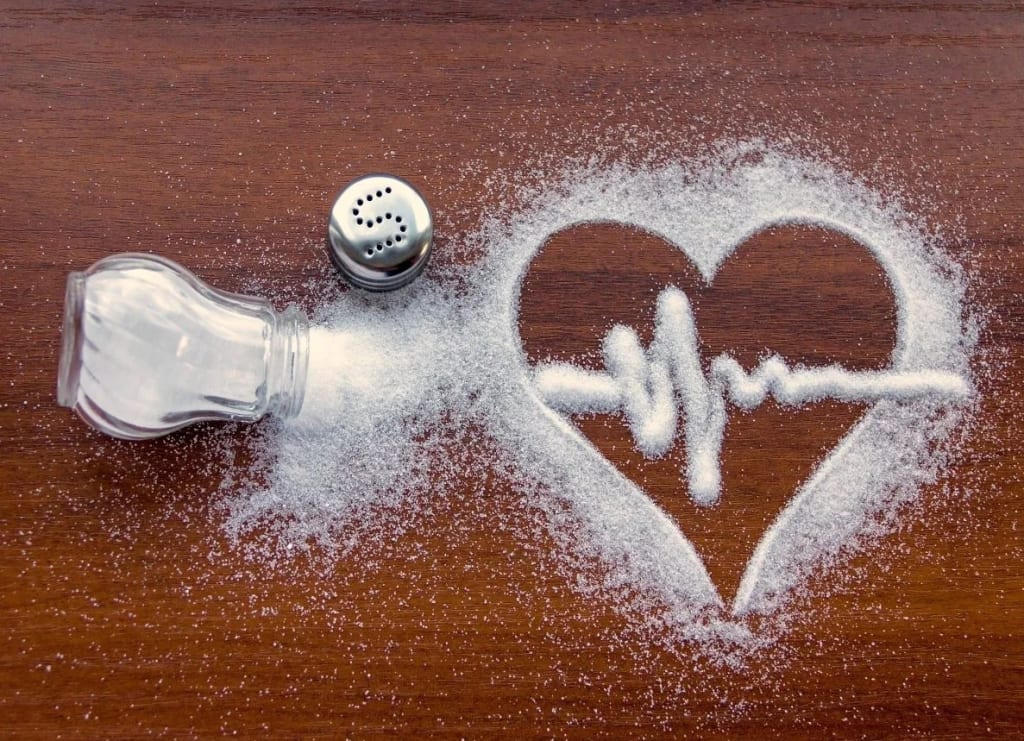
Salt, an essential mineral, has become a staple in modern diets, contributing to the flavors of countless dishes. However, over the past four decades, salt consumption in the US has skyrocketed by 50 percent, with the average American consuming a staggering 3,400 milligrams of salt per day—almost double the recommended amount. This excessive salt intake is closely associated with high blood pressure, kidney disease, stroke, and heart disease, prompting many to question what would happen if they quit salt altogether or reduced their intake significantly. The journey to explore these questions reveals fascinating insights into the human body's response to salt changes.
Let's begin with the scenario of adopting a low salt diet, which typically ranges from around 1,500 milligrams to 2,300 milligrams per day. After just one week, you may not feel significant physical changes, but your body is already taking steps to lower blood pressure. The kidney plays a pivotal role in this process by regulating the balance of water and salt between your blood and cells. Consuming excessive salt disrupts this balance, as your body cannot produce its own salt and relies on dietary intake. High salt intake overburdens the kidney's ability to eliminate excess salt, leading to concentrated sodium in the blood. Consequently, water is drawn from the cells to dilute the concentrated blood, increasing blood volume and, subsequently, blood pressure. By adopting a low sodium diet, you can minimize the risks of chronic high blood pressure and its associated health conditions.
As you progress into a low salt diet for a few weeks, you may experience reduced stress. Studies have indicated that high salt levels can increase stress hormones in the body and amplify hormonal responses to stressful situations. Early studies on mice have shown promising results, and further research aims to explore stress hormones in humans and Salt's potential role in anxiety and aggression.
Four weeks into a low sodium diet, you might notice feeling lighter due to reduced bloating. The DASH sodium trial, a significant study on blood pressure and diet, revealed that high sodium intake increased bloating regardless of the type of diet consumed. Lowering salt intake proportionately reduces bloating, offering short-term benefits. However, the true advantages of a low sodium diet are found in its long-term effects.
A recent study conducted in 600 rural Chinese villages focused on individuals with a history of stroke or those over 60 with hypertension. They consumed low salt diets, resulting in reduced strokes, major cardiovascular events, and deaths within five years. In this study, researchers substituted 30 percent of sodium chloride with potassium chloride salt, a clever way to add some saltiness without the health risks associated with excessive sodium intake. Adequate potassium intake helps improve blood pressure regulation, making this substitution beneficial for those with hypertension.
Now, let's imagine completely cutting sodium out of your diet—an extremely challenging task since salt is present in most foods. Hyponatremia, a condition characterized by too little salt in the body, can result from this extreme measure. Within one week, you might experience nausea and vomiting as your body attempts to excrete water to restore the salt concentration and gradient between blood and cells. Severe dehydration can follow this process.
After two weeks, you may begin to experience random muscle twitching due to inadequate sodium levels for muscle contractions and relaxation. By week three, your brain's surrounding vessels may have less salt than the brain tissue, leading to water moving into the cells and causing brain swelling. This swelling can result in confusion, seizures, and eventually a coma. It is essential to avoid correcting blood sodium levels too quickly, as rapid corrections can lead to osmotic demyelination and further dehydration of the brain.
Cutting sodium completely out of your diet is not advisable, especially for individuals who are not at risk for hypertension. While reducing salt intake has numerous health benefits, the key is finding the Goldilocks range—neither too high nor too low. Generally, guidelines recommend around 2,300 milligrams of sodium per day for most individuals.
Ultimately, salt consumption should be tailored to individual needs and health conditions. Listening to your body is crucial—if you're craving salt, you may need it, and if you're grossed out by it, you might be getting enough. Consultation with a healthcare professional can help determine the right approach for your specific situation. Remember, the dose makes the poison, and moderation is key when it comes to salt intake.
So, the next time you consider making changes to your salt consumption, keep in mind the delicate balance your body seeks to maintain, and make informed choices to promote your well-being. Understanding the intricate relationship between salt and your body empowers you to optimize your health and live your best life. Stay curious, stay informed, and enjoy your journey toward better health.
About the Creator
Daniel Fuentes Hermosa
"Awakening minds to resist NWO's grip. Self-care as my rebellion - mind, body, soul united. Unbreakable spirit in a chaotic world. #Resilience #TruthSeeker"
Keep reading
More stories from Daniel Fuentes Hermosa and writers in Longevity and other communities.
Unraveling the Mind's Enigmas: The Puzzling Link Between Names, Aging, and Dreams
Have you ever looked at an old photograph and wondered why people from past eras seemed older than their actual age? Perhaps you've seen pictures of teenagers from decades ago who appeared remarkably mature for their years. The phenomenon of people appearing older than their age in historical photos has intrigued many, leading to a fascinating concept known as "retrospective aging."
By Daniel Fuentes Hermosa2 years ago in Longevity
Day 4 of Quitting
If this is how sobriety feels, maybe it’s better to go through life a little buzzed… this, along with other hits like, I want to kill myself, I wish I was dead, and I’m going to throw myself off a bridge have been the only thoughts on rotation these past few days. I promise myself that if, in a month, I still feel like this (‘this’ meaning despondent, full of rage, and simultaneously numb) I can go back to smoking. Until mid-February though? Nicotine is off the table.
By sleepy drafts12 days ago in Longevity


Comments
There are no comments for this story
Be the first to respond and start the conversation.