
The Impact of Nutrition on Brain Health
Understanding the Impact of Food on Your Brain
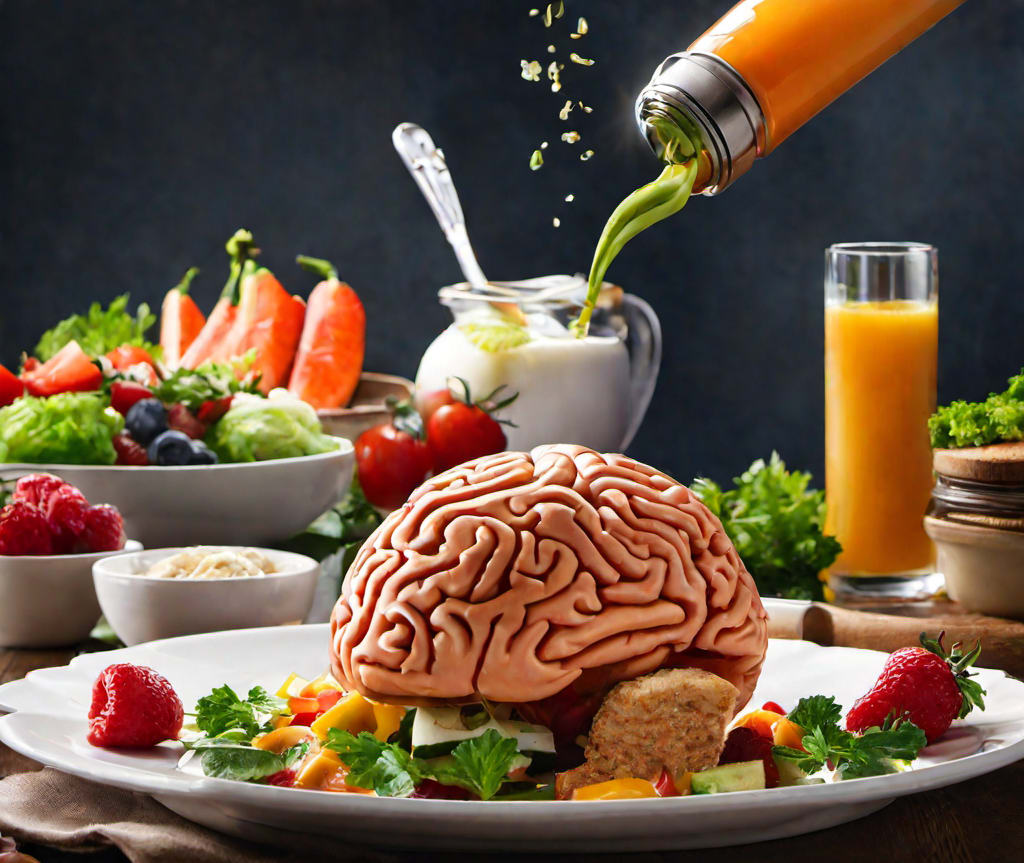
The brain, the command center of our body, is a remarkable organ that constantly processes information, regulates bodily functions, and governs our emotions and behaviors. But have you ever stopped to ponder how the food you consume affects your brain's performance and overall health? If you were to dehydrate your brain and break it down into its nutritional components, you would find a fascinating array of fats, proteins, amino acids, micronutrients, and glucose, all contributing to the brain's functioning, development, mood, and energy levels.
The Role of Fats in Brain Health:
Fats, also known as lipids, constitute a significant portion of your dehydrated brain. Among these fats, omega-3 and omega-6 fatty acids take center stage as the superstars of brain health. These essential fats play a vital role in preventing degenerative brain conditions and must be obtained through our diets. Foods rich in omega-3 and omega-6, such as nuts, seeds, and fatty fish, are essential for creating and maintaining cell membranes, the protective outer layer of brain cells. On the flip side, excessive consumption of unhealthy fats like trans and saturated fats can compromise brain health and lead to cognitive decline over time.
The Influence of Proteins and Amino Acids:
Proteins and amino acids are the building blocks of growth and development. Amino acids are particularly important as they contain precursors to neurotransmitters, the chemical messengers that carry signals between neurons in the brain. These neurotransmitters significantly impact our mood, sleep, attentiveness, and even weight. Depending on the combinations of compounds found in our food, brain cells can release mood-altering neurotransmitters such as norepinephrine, dopamine, and serotonin. A diverse diet ensures a balanced combination of these brain messengers, preventing extreme shifts in mood and emotions.
Micronutrients for Brain Health:
In addition to fats and proteins, micronutrients play a crucial role in supporting brain health. Antioxidants found in fruits and vegetables help protect the brain from free radicals that can damage brain cells, contributing to a longer-lasting and healthy brain function. Key micronutrients like vitamins B6, B12, and folic acid are essential for brain health and play a significant role in warding off brain diseases and cognitive decline. Even trace amounts of minerals like iron, copper, zinc, and sodium are fundamental to early cognitive development and maintaining brain health.
Energy and Glucose: The Brain's Fuel:
The brain is an energy-hungry organ, utilizing up to 20% of our body's energy resources, despite making up only about 2% of our body weight. Glucose, or blood sugar, is the primary source of energy for the brain. It is derived from carbohydrates that we consume. The frontal lobes, responsible for cognitive functions such as attention and decision-making, are particularly sensitive to changes in glucose levels. When glucose levels drop, mental function can be affected, signaling a potential nutrient deficiency.
**Understanding Carbohydrates' Impact on Brain Function:**
Carbohydrates come in three main forms: starch, sugar, and fiber. While nutrition labels often group them together under the total carb count, the ratio of sugar and fiber affects how our bodies and brains respond. High glycemic foods, such as white bread and sugary treats, cause a rapid release of glucose into the blood, leading to a quick spike in energy followed by a subsequent crash in blood sugar levels. This fluctuation can impact attention span and mood, causing feelings of irritability and fatigue. On the other hand, slow-release carbohydrates found in whole grains, oats, and legumes provide a steadier level of attentiveness, promoting sustained brain power and stable energy levels.
The Importance of a Balanced Diet:
In conclusion, the foods we consume have a profound and long-lasting impact on the most powerful organ in our body: the brain. A well-rounded diet that includes essential nutrients, omega-3 and omega-6 fatty acids, proteins, antioxidants, and slow-release carbohydrates is vital for maintaining brain health, cognitive function, and overall well-being. Understanding how nutrition affects our brains empowers us to make informed dietary choices that support our mental vitality and lead to healthier, more fulfilling lives.
So, the next time you sit down to a meal, remember that you are not just nourishing your body but also feeding your brain. Choosing brain-boosting foods can have a significant positive impact on your cognitive function, mood, and overall brain health. With the right nutrition, you can harness the power of your brain and optimize your potential for a vibrant and fulfilling life.
About the Creator
Beyond Exhaustion: What Happens to Your Body and Brain After 72 Hours Without Sleep?
We've all experienced the grogginess of a poor night's sleep or the heavy eyelids that follow an all-nighter. But what happens when you push the human body to its absolute limits? Staying awake for 72 hours—three full days and nights—is a severe shock to your system. It shifts from a simple matter of feeling tired to a profound physical and psychological crisis. Here is a chronological breakdown of what happens to your mind and body when you stop sleeping.
By Mohammad Hamid4 days ago in Longevity
How to Whiten Teeth Naturally: What Actually Works (and What to Avoid)
A bright smile has always been associated with confidence. Whether you’re leading a boardroom meeting or just laughing at a joke with friends, your teeth are the first thing people notice. But over time, your teeth start losing their natural brightness. The daily cup of chai or coffee, colourful Indian spices, smoking, or simply aging can slowly leave behind stains. How to whiten teeth naturally? In many Indian houses, home remedies, or ‘Nuskhas‘, are passed down like heirlooms. You may hear, ‘Hey, try brushing with baking soda’ or ‘rub a lemon on your teeth.’ Social media is full of such “natural whitening hacks”, promising quick results without a visit to the dentist. So, do these remedies actually work? And more importantly, are they safe for your teeth?
By Good health to everyone3 days ago in Longevity



Comments
There are no comments for this story
Be the first to respond and start the conversation.