
The Harmony of Opposites: Exploring the Significance of Yin Yang in Taoism and Daily Life
Exploring the Ancient Philosophy of Taoism and the Profound Significance of Yin Yang


DISCLAIMER: This article contains affiliate links, as an Amazon associate I earn from qualifying purchase. Thank you for the support!
Taoism is a Chinese philosophy that has been practiced for over two thousand years. It is based on the idea of living in harmony with the Tao, which can be translated as "the way" or "the path". One of the most well-known concepts in Taoism is the principle of Yin Yang. This philosophy holds that all things are composed of two complementary, yet opposing forces - Yin and Yang - which are in a constant state of flux and balance. Yin is associated with darkness, femininity, and passivity, while Yang is associated with light, masculinity, and activity. The concept of Yin Yang has a profound impact on the way that Taoists view the world and their place in it. It informs their beliefs about balance, harmony, and the inter-connection of all things. In this article, we will explore the history and beliefs of Taoism, as well as the meaning and significance of Yin Yang in this ancient philosophy. We will also examine how the concept of Yin Yang is applied in various fields, including traditional Chinese medicine, feng shui, and martial arts, and how it can be incorporated into our daily lives to cultivate balance and harmony.
Taoism is an ancient Chinese philosophy that has been practiced for more than 2,000 years. The history of Taoism is shrouded in legend and mythology, but it is generally believed to have originated in the 4th century BCE, during the time of the Warring States period in China. The philosophy was founded by Lao Tzu , whose name means "old master". According to legend, Lao Tzu was a scholar and librarian who became disillusioned with the politics and corruption of the ruling class. He decided to leave civilization and seek enlightenment in the mountains. On his way out of the city, he was stopped by a guard who asked him to write down his wisdom before he left. Lao Tzu agreed and wrote the Tao Te Ching, a book of 81 poems that became the foundation of Taoist philosophy.
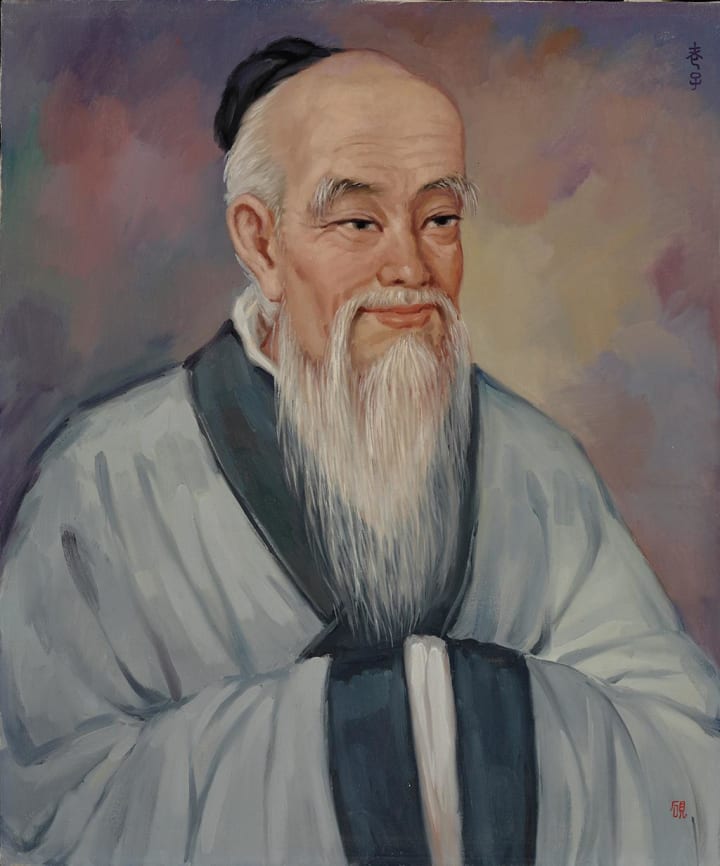
Taoism is a complex philosophy that encompasses many different beliefs and practices. At its core, it is based on the idea of living in harmony with the Tao, which can be translated as "the way" or "the path". The Tao is the ultimate truth and reality, which cannot be described in words or concepts. Taoists believe that the universe is governed by the Tao, and that everything in the world is interconnected and part of a greater whole.
One of the key principles of Taoism is the concept of wu wei, which can be translated as "non-action" or "effortless action". Wu wei is the practice of allowing things to happen naturally, without forcing them or trying to control them. It is about living in harmony with the natural flow of the universe, rather than trying to impose our will on it.
Taoism has had a profound impact on Chinese culture and has influenced many aspects of Chinese life, including medicine, art, literature, and martial arts. It has also spread to other parts of the world and has become a popular philosophy in the West.
The concept of Yin Yang is one of the most fundamental and well-known aspects of Taoist philosophy. According to this concept, the universe is composed of two opposing forces - Yin and Yang - that are in a constant state of flux and balance. Yin and Yang are not absolute, but rather relative and interdependent. Without one, the other cannot exist.

Yin, associated with darkness, femininity, and passivity. It represents the receptive, nurturing, and introspective qualities of the universe. Yin is also associated with the earth, water, and moon. Some examples of Yin qualities include softness, coldness, and dampness.
Yang, on the other hand, is associated with light, masculinity, and activity. It represents the dynamic, creative, and expansive qualities of the universe. Yang is also associated with the sky, fire, and sun. Some examples of Yang qualities include hardness, warmth, and dryness.
The concept of Yin Yang is often represented by a symbol consisting of two interlocking fish-like shapes - one black (Yin) and one white (Yang) - that form a circle. The symbol represents the idea that Yin and Yang are complementary and interdependent forces that are in a constant state of flux and balance.
Taoists believe that everything in the world is composed of Yin and Yang, and that the balance of these forces is essential for health, happiness, and harmony. When Yin and Yang are in balance, there is peace and harmony in the world. When they are out of balance, there is chaos and disorder.
Yin Yang is a core concept in Taoism, and it holds a significant place in the philosophy's overall worldview. Taoists believe that the universe is composed of complementary and interdependent forces that are in a constant state of flux and balance. The balance of Yin and Yang is essential for health, happiness, and harmony.
One of the most significant aspects of Yin Yang in Taoism is the idea that everything in the world is composed of these two forces. Every object, every action, every thought, and every emotion has both Yin and Yang qualities. Yin and Yang are not absolute, but rather relative and interdependent. Without one, the other cannot exist.
Taoists believe that the balance of Yin and Yang is not static but rather dynamic, and it is constantly changing. The aim of Taoism is not to eliminate one force in favor of the other, but to maintain a harmonious balance between the two. This balance is not achieved through force or effort but rather through Wu Wei, or non-action. Taoists believe that by living in harmony with the natural flow of the universe, we can achieve a balance between Yin and Yang.
The significance of Yin Yang in Taoism extends beyond just philosophical and spiritual concepts. It also has practical applications in various fields, such as traditional Chinese medicine, feng shui, and martial arts. In traditional Chinese medicine, the balance of Yin and Yang is believed to be essential for good health, and many treatments are designed to restore this balance. Feng shui, the ancient Chinese practice of arranging living spaces, is based on the principles of Yin Yang, and aims to create a harmonious balance of energies in the environment. In martial arts, the concept of Yin Yang is applied to the movements and techniques of the practitioners, with the aim of achieving a balance between strength and flexibility, speed and control.
In conclusion, the significance of Yin Yang in Taoism cannot be overstated. It is a fundamental concept that informs the philosophy's view of the world and its place in it. It is a symbol of balance, harmony, and the inter-connectedness of all things. The balance of Yin and Yang is not only essential for good health and happiness but also for achieving a sense of inner peace and harmony.

The concept of Yin Yang has numerous practical applications in various fields, ranging from traditional Chinese medicine and martial arts to architecture and design. These applications are based on the idea that everything in the world is composed of complementary and interdependent forces that are in a constant state of flux and balance.
One of the most well-known applications of Yin Yang is in traditional Chinese medicine. According to this system of medicine, good health is achieved when there is a balance of Yin and Yang in the body. Many treatments are designed to restore this balance, and practitioners use various techniques, such as acupuncture and herbal remedies, to achieve this goal. For example, acupuncture aims to stimulate the body's energy flow (Qi) to restore balance, while herbal remedies are chosen based on their Yin and Yang properties.
Another field where Yin Yang is applied is feng shui. This ancient Chinese practice of arranging living spaces is based on the principles of Yin Yang, and aims to create a harmonious balance of energies in the environment. Practitioners believe that the proper placement of objects and the use of color and light can create a sense of balance and harmony, leading to improved health and well-being.
In martial arts, the concept of Yin Yang is applied to the movements and techniques of the practitioners. Yin qualities such as softness, flexibility, and sensitivity are balanced with Yang qualities such as strength, power, and speed to achieve optimal performance. Martial arts practitioners aim to achieve a balance between Yin and Yang to improve their technique and effectiveness.
Yin Yang is also applied in architecture and design. In traditional Chinese architecture, the placement of buildings and the use of color and materials are based on Yin Yang principles. For example, a building may be positioned to face south to maximize exposure to the sun, while the use of red and gold colors is associated with Yang energy, while green and blue are associated with Yin energy.

The practice of Yin Yang in daily life involves recognizing the balance between opposing forces and striving to maintain that balance to achieve optimal health and well-being. Here are some practical ways to apply Yin Yang principles in daily life:
1. Balance work and rest: In modern society, it is common to prioritize work over rest, leading to burnout and other health problems. Practicing Yin Yang involves balancing work with rest to maintain a healthy lifestyle. This means taking breaks throughout the day and getting enough sleep at night.
2. Eat a balanced diet: Yin Yang principles also apply to the foods we eat. A balanced diet includes both Yin and Yang foods, such as fruits and vegetables (Yin) and meats and grains (Yang). Eating a variety of foods helps to maintain the body's balance of Yin and Yang.
3. Practice mindfulness: Mindfulness practices, such as meditation and yoga, can help to cultivate a sense of balance and harmony. By focusing on the present moment and observing thoughts and emotions without judgment, we can cultivate inner peace and balance.
4. Connect with nature: Spending time in nature can help to restore balance and harmony. The natural world embodies Yin Yang principles, with the balance of light and dark, hot and cold, and soft and hard. Taking a walk in the woods, gardening, or simply enjoying the beauty of nature can help to restore balance and harmony in our lives.
5. Practice non-action: The Taoist concept of Wu Wei, or non-action, involves going with the flow of life rather than trying to control it. Practicing non-action can help to reduce stress and anxiety and promote a sense of inner peace and harmony.
In conclusion, Yin Yang is a fundamental concept in Taoism that embodies the interdependence and balance of opposing forces in the universe. This concept has practical applications in various fields, ranging from traditional Chinese medicine and martial arts to architecture and design. It is also relevant in daily life, where we can strive to maintain a sense of balance and harmony in our work, rest, diet, mindfulness, connection with nature, and even in our approach to life through the practice of non-action.
As we navigate the complexities of modern life, the principles of Yin Yang can provide a guiding light, reminding us to seek balance, harmony, and inner peace. By cultivating a deeper understanding of Yin Yang and applying its principles in our daily lives, we can work towards achieving a more balanced, harmonious, and fulfilling existence.
If you are interested with the classic of Tao Te Ching and want to read about it yourself please click here
About the Creator
David Chang
Goodness, Truth, and Life
Keep reading
More stories from David Chang and writers in Longevity and other communities.
Uncovering the Box
Samantha had always known that her partner, Jack, was a bit of a mystery. He was charming, handsome, and always seemed to know just what to say to make her feel better. They had been together for three years, and Samantha was convinced that she knew everything there was to know about him.
By David Chang3 years ago in Fiction
Day 4 of Quitting
If this is how sobriety feels, maybe it’s better to go through life a little buzzed… this, along with other hits like, I want to kill myself, I wish I was dead, and I’m going to throw myself off a bridge have been the only thoughts on rotation these past few days. I promise myself that if, in a month, I still feel like this (‘this’ meaning despondent, full of rage, and simultaneously numb) I can go back to smoking. Until mid-February though? Nicotine is off the table.
By sleepy drafts17 days ago in Longevity
Affection and Healing for Yourself
During the night of the last quarter moon, I gathered my ritual supplies. I carefully handled the chunk of black tourmaline that would protect me from your overall negative and narcissistic energy. I carefully walked the house with my stick of selenite in hand, asking the universe to cleanse our working space.
By Alisha Wilkins ✒️🦋🖋️5 days ago in Fiction


Comments
There are no comments for this story
Be the first to respond and start the conversation.