
The Effects of Excessive Cell Phone Use on Neck Health and Management Methods
Many people suffer from turtle neck syndrome due to incorrect use of cell phones, which have become a necessity for modern people regardless of gender or age.
Modern Society and Smartphone Use
Modern society is rapidly evolving into a digital environment that is difficult to imagine without smartphones. Smartphones have gone beyond simple communication devices and become the center of work, communication, and entertainment, and the average daily usage time continues to increase. This excessive use of smartphones poses a serious threat to the health of modern people, and concerns about neck health in particular are rapidly increasing.
Modern people are unintentionally threatening their neck health by using smartphones with their heads down for several hours a day. This continuous unnatural posture can lead to fatigue and pain in the neck muscles, and in the long term, serious spinal diseases. Health problems caused by smartphone use should no longer be recognized as a personal problem but a social issue.
Therefore, this article will deeply analyze the effects of smartphone use on neck health and seek practical solutions for a healthy digital life. It is time for individuals and society to improve awareness and respond together.
The effects of excessive smartphone use on neck health
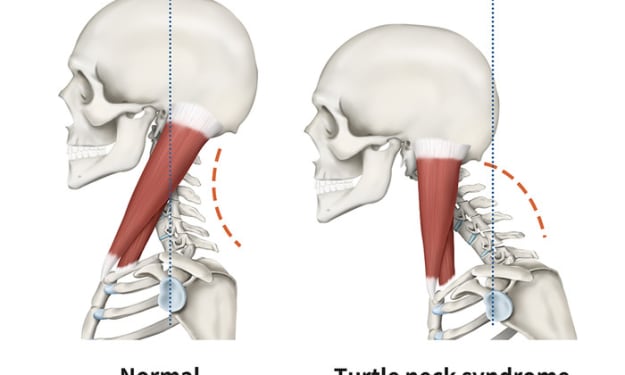
'Turtle neck syndrome' refers to neck and spine diseases caused by continuously lowering the head while using smartphones or digital devices for long periods of time. This syndrome is emerging as a representative health problem of modern people, and can cause serious neck muscle damage and spinal deformation.
When using a smartphone, the average head is lowered by 15-30 degrees, which puts serious pressure on the neck muscles. In a normal state, the weight of an adult head is about 5-6 kg, but the pressure applied to the neck muscles increases exponentially as the head is lowered. For example, if the head is lowered by 30 degrees, the pressure on the muscles can increase to about 18 kg.
This continuous pressure causes chronic fatigue and pain in the neck muscles, and in the long term, it can cause the following serious symptoms:
- Chronic neck pain
- Stiffness of the shoulder and upper back muscles
- Headache
- Limited range of motion of the neck
- Increased risk of spinal disc deformation
As a result, turtle neck syndrome is a serious health risk factor that can cause long-term physical function decline and chronic pain beyond simple temporary discomfort.
Other health problems related to smartphone use
Smartphone use has serious effects not only on the health of the neck but also on other parts of the body. In particular, the muscles of the shoulders and upper back suffer from constant tension and pain. The muscles around the upper spine are constantly contracted due to the unnatural posture, causing chronic muscle pain and stiffness.
Serious problems can also occur in the health of the hands and arms. Repetitive finger movements while using a smartphone for long periods of time increase the risk of carpal tunnel syndrome. This can cause constant pressure on the wrist nerves, resulting in pain, numbness, and muscle weakness.
Eye health is also seriously threatened by smartphone use. Long-term exposure to blue light can rapidly increase eye fatigue and accelerate vision deterioration. In particular, the habit of using a smartphone until late at night can be fatal to eye health.
Furthermore, excessive smartphone use has a negative effect on mental health. Constant digital stimulation can increase anxiety and cause sleep disorders. Excessive use of social media can also be a factor in deepening depression and social isolation.
How to Use Your Smartphone Correctly for Neck Health
In order to maintain neck health, proper posture is most important when using your smartphone. When looking at your smartphone, be careful not to bend your head more than 30 degrees. The ideal angle is to keep your head within about 15 degrees. To do this, you can raise the device close to eye level or use a method of supporting the device by fixing your elbows on a table.
Regular breaks and stretching are key to neck health. It is recommended to take a 5-minute break every 20-30 minutes and perform simple neck stretches. Slowly turning your head left and right and tilting it forward and backward are effective in relieving tension in the neck muscles.
Exercises to strengthen neck muscles are also important. Exercises such as standing with your back against a wall and pulling your chin in or pulling your shoulders back help develop the muscles around your neck and improve your posture. Regularly performing these exercises for 10-15 minutes a day can have a positive effect on neck health.
Managing the time you use your smartphone is also very important. It is recommended to limit total usage time to 2-3 hours a day and refrain from using smartphones at least 1 hour before going to bed. You can effectively manage usage time by utilizing blue light blocking mode or using an app that monitors screen time.
Neck health management strategy for office workers
In order to maintain the health of office workers' necks, it is most important to create an ergonomic office environment. First, adjust the computer monitor to eye level so that you do not bend your head. It is ideal to position the monitor slightly below your line of sight and maintain a distance of arm's length.
Choosing a chair is also very important. Use an ergonomic chair that supports your waist and neck, and adjust it so that your waist and back are completely pressed against each other when you sit. Set the chair height so that your feet are completely on the floor and your knees are bent at 90 degrees.
Regular stretching during work is essential to maintaining neck health. Do simple stretching for 5-10 minutes every hour to relieve muscle tension. Slowly turning your head left and right and moving your shoulders up and down are effective stretches.
Stress management is also closely related to neck health. Stress causes persistent tension in the neck muscles, so you should effectively manage stress through meditation, deep breathing, and regular exercise. In particular, 10-15 minutes of meditation a day can help relax the muscles.
Sleeping posture also has a significant impact on neck health. It is recommended to lie down on your back and use a low pillow, and choose a pillow that can maintain the natural curve of the neck. If you sleep on your side, you should be careful not to bend your neck excessively.
The importance of a healthy digital lifestyle
The development of digital technology has made our lives more convenient, but at the same time, it is presenting new challenges to our health. Finding a balance between smartphone use and neck health is no longer a personal choice, but an essential survival strategy.
A healthy digital lifestyle requires both active personal effort and improved social awareness. Beyond simply reducing technology usage time, we must internalize proper posture and healthy habits into our daily lives. Regular stretching, proper device usage posture, and periodic breaks are key strategies for maintaining neck health.
Companies and educational institutions should also join in these efforts. Creating an ergonomic work environment, introducing health management programs, and educating people about digital well-being are very important. In order to achieve harmonious coexistence between technology and health, individuals, organizations, and society must work together.
Ultimately, a healthy life in the digital age is not about completely excluding technology, but rather using it in a wise and balanced way. It is time for all of us to have the wisdom to coexist with technology while prioritizing our own health. Massage News
About the Creator
Mr. choi
I think you can enjoy sports more if you have basic knowledge about sports. I want to create opportunities to learn little by little. I want to provide information such as sports broadcasts and sports news.
Day 4 of Quitting
If this is how sobriety feels, maybe it’s better to go through life a little buzzed… this, along with other hits like, I want to kill myself, I wish I was dead, and I’m going to throw myself off a bridge have been the only thoughts on rotation these past few days. I promise myself that if, in a month, I still feel like this (‘this’ meaning despondent, full of rage, and simultaneously numb) I can go back to smoking. Until mid-February though? Nicotine is off the table.
By sleepy drafts11 days ago in Longevity
Anti-venom Market Size and Forecast 2025–2033
Introduction Snakebites, scorpion stings, and other venomous encounters remain one of the world’s most under-recognized public health challenges. Each year, millions of people—particularly in rural, tropical, and developing regions—are exposed to venomous animals, often with limited access to timely medical care. In such settings, anti-venom is not merely a pharmaceutical product; it is a critical life-saving intervention.
By Renub Research5 days ago in Longevity
Ludacris and Nelly draw backlash over bookings at MAGA-coded music festival
Ludacris and Nelly headlining a mostly right-wing event is good for them. It’s also great for the genre of hip hop. The two rap veterans have showcased their talents on other stages. Why can’t they perform for mostly MAGA folks and grab that bag?
By Skyler Saunders4 days ago in Beat


Comments
There are no comments for this story
Be the first to respond and start the conversation.