
The effectiveness and application of massage therapy for improving turtle neck
As modern people sit for long hours at work and use mobile devices explosively, the muscles surrounding the neck are twisted and knotted, causing headaches and stress problems.
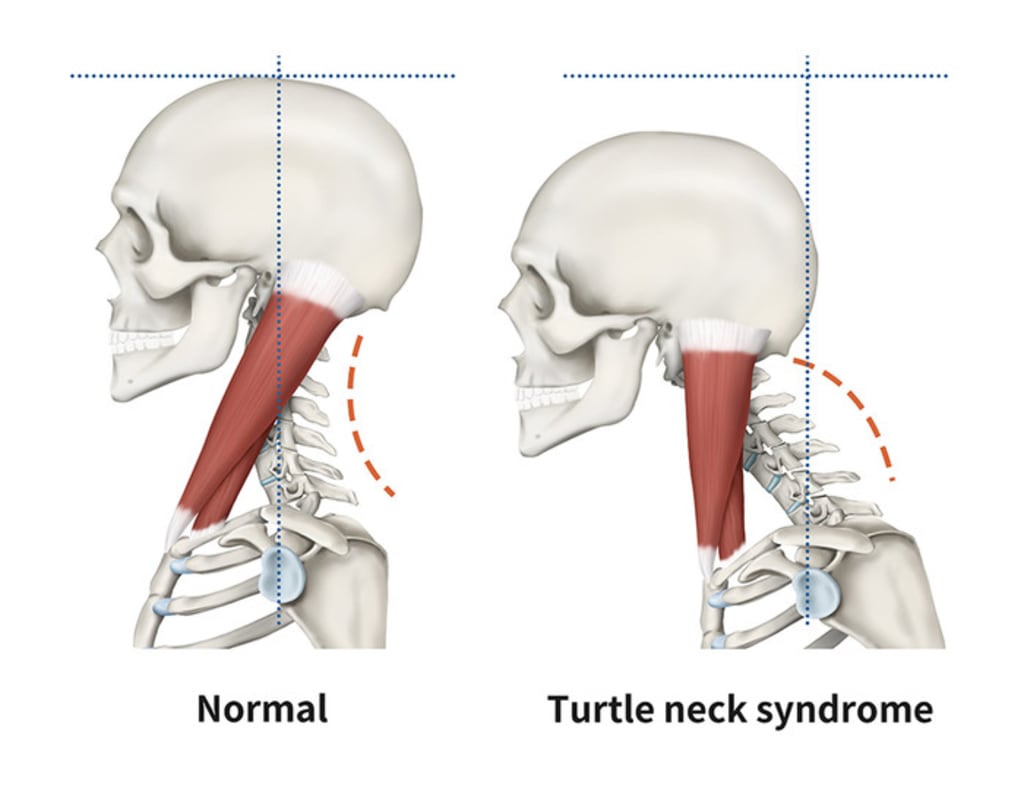
Overview of Forward Head Posture Syndrome
Forward head posture syndrome is a representative physical health problem in modern digital society, and is a chronic posture disorder that causes serious changes in the muscles and spinal alignment of the neck and shoulder area. This syndrome is a condition in which the head is excessively protruded forward from the central axis of the body, and on average, the pressure on the neck muscles increases by about 4.5 kg for every 2.5 cm the weight of the head moves forward.
The rapid increase in forward head syndrome in modern society is closely related to the explosive increase in the use of smartphones, tablets, and computers. According to statistics, more than 70% of adults spend an average of 6-8 hours a day in front of digital devices, which causes continuous tension and deformation of the neck muscles. It is especially serious among teenagers and office workers, and is recognized as a social health problem.
Forward head posture syndrome goes beyond simple pain and has a serious impact on overall body functions. It is accompanied by various symptoms such as chronic neck pain and shoulder stiffness, as well as headaches, dizziness, and decreased concentration. What is more serious is that it can cause spinal disc deformation, respiratory dysfunction, and cardiovascular problems in the long term. This poses a direct threat to an individual's physical and mental health and quality of life.
Therefore, for modern people, correct understanding, prevention, and management of turtle neck syndrome have become essential health management strategies. The negative effects of this syndrome can be minimized through improving personal posture habits, regular exercise, and professional treatment.
Main causes of turtle neck: digital devices and posture
Modern people's digital lifestyle is a key cause of turtle neck syndrome. Continuous use of smartphones and computers causes abnormal biomechanical burden on the neck muscles and spine.
Long-term use of digital devices causes continuous tension in the neck muscles. On average, users stare at their smartphone or computer screens for about 4-6 hours a day, and during this process, their heads are tilted forward by 15-45 degrees. This posture puts additional pressure on the neck muscles, causing muscle fatigue and structural deformation. For example, when you bend your head 15 degrees, the pressure on your neck muscles increases to about 27 pounds (12 kg), which is 3-4 times more than normal posture.
Incorrect sitting posture is also a major cause of turtle neck syndrome. In office environments or remote work situations, most office workers maintain abnormal postures due to improper chair height, monitor angle, and incorrect desk placement. In particular, a posture that continuously bends the neck and shoulders causes muscle imbalance and serious spinal alignment problems in the long term.
Psychological factors also play an important role. Stress and lack of concentration unconsciously cause more hunched posture, which accelerates muscle tension and structural deformation. The high work intensity and continuous digital stimulation of modern people are further aggravating these negative body mechanisms.
In conclusion, turtle neck syndrome can be viewed as a structural problem of modern digital society beyond a simple personal habit. It is time for an ergonomic approach along with improved personal awareness.
Main Causes of Turtle Neck: Lack of Exercise and Stress
Lack of exercise and muscle weakness are key factors in the development of turtle neck syndrome. The sedentary lifestyle of modern people causes continuous weakening of the neck, shoulder, and back muscles, which further worsens abnormal posture. In particular, weakening of the core and back muscles directly affects spinal alignment.
Muscle imbalance due to lack of physical activity reduces the support of the muscles around the neck. A sedentary lifestyle for long periods of time weakens the deep neck flexors and places excessive strain on the superficial muscles, causing chronic muscle tension. This exposes the neck and shoulder muscles to continuous stress, which gradually causes structural deformation.
Stress is also an important psychological cause of turtle neck syndrome. Chronic mental tension unconsciously causes the body to adopt a defensive posture, which is especially evident in muscle tension in the neck and shoulder area. The continuous secretion of the stress hormone cortisol promotes muscle stiffness and lowers the pain threshold, worsening chronic muscle pain.
The high work intensity and continuous psychological pressure of modern people have a negative effect on the body. Anxiety and stress change breathing patterns and cause abnormal tension in the muscles around the neck. These psychological factors interact with physical postural problems and accelerate the worsening of turtle neck syndrome.
A balanced lifestyle is essential for prevention and management. Regular exercise, stretching, and muscle strengthening exercises are key to restoring muscle balance and maintaining proper posture. In addition, it is important to relieve psychological tension through stress management techniques such as meditation, yoga, and deep breathing.
In conclusion, lack of exercise and stress are interrelated risk factors for turtle neck syndrome. Only an integrated approach to physical and mental health can effectively address these modern health issues.
The Concept and Effects of Massage Therapy
Massage therapy is an ancient healing technique that has been with human history, and is a holistic approach to restoring physical and mental health. Its origins date back thousands of years to the Chinese, Egyptian, and Greek civilizations, and it has developed based on a deep understanding of human body healing and relaxation.
The core of massage therapy is a holistic approach to the connected systems of the human body. By applying direct pressure and movement to muscle tissue, it improves blood circulation, promotes lymphatic function, and relieves muscle tension and stiffness. Massage has an important therapeutic meaning, especially in chronic musculoskeletal diseases such as turtle neck syndrome.
In terms of the nervous system, massage reduces the stress hormone cortisol and promotes the secretion of positive neurotransmitters such as serotonin and dopamine. This contributes not only to muscle relaxation but also to psychological stability, helping to alleviate the psychological factors of turtle neck syndrome.
The potential benefits of massage for improving turtle neck syndrome include:
-. Relieves tension in the neck and shoulder muscles
-. Increases nutrient supply through improved blood circulation
-. Increases flexibility and range of motion of joints
-. Reduces chronic muscle pain
-. Stress management through nervous system relaxation
Massage is a holistic treatment method that goes beyond simple physical contact and activates the body's natural healing mechanisms. A preventive and integrated approach is needed to address modern health issues such as turtle neck syndrome, and massage therapy can be a key strategy.
The importance of a comprehensive approach
Turtle neck syndrome is not just a physical problem; it is a complex health challenge of the modern digital society. Massage therapy has proven to be an effective holistic approach to address this syndrome. Massage is an integrated treatment method that addresses both the physical and psychological aspects of turtle neck, such as relieving tension in the neck and shoulder muscles, improving blood circulation, and reducing stress.
However, it is important to recognize that massage therapy is not an independent solution but part of a comprehensive management strategy. A multifaceted approach is essential to prevent and improve turtle neck. Proper posture habits, regular exercise, stretching, creating an ergonomic work environment, and mental health management should be complementary to massage therapy.
Individual active management and self-awareness are most important. Limiting the time spent on digital devices, regular posture correction, muscle strengthening exercises, and stress management techniques should be integrated into daily life. Only a continuous and preventive approach, not a short-term treatment, can lead to long-term health improvement.
Future research should delve deeper into areas such as the long-term effects of massage therapy, the development of personalized treatment protocols, and the correlation between digital environments and physical health. In particular, attention should be paid to the development of personalized prevention and treatment solutions utilizing artificial intelligence and wearable technology.
In conclusion, managing turtle neck syndrome requires an integrated effort from individuals, medical professionals, and society as a whole. When each of us actively responds for a healthy body and mind, we will be able to effectively overcome this chronic health problem in modern society.
About the Creator
Mr. choi
I think you can enjoy sports more if you have basic knowledge about sports. I want to create opportunities to learn little by little. I want to provide information such as sports broadcasts and sports news.
Day 4 of Quitting
If this is how sobriety feels, maybe it’s better to go through life a little buzzed… this, along with other hits like, I want to kill myself, I wish I was dead, and I’m going to throw myself off a bridge have been the only thoughts on rotation these past few days. I promise myself that if, in a month, I still feel like this (‘this’ meaning despondent, full of rage, and simultaneously numb) I can go back to smoking. Until mid-February though? Nicotine is off the table.
By sleepy drafts12 days ago in Longevity
The 10 Best Diets for Weight Loss That Are Sustainable and Recommended By Nutritionists
As a dietitian, I know that weight loss is a common goal at the start of a new year. But it’s important to approach it with a focus on health, balance, and sustainability. As a calorie deficit is necessary to lose weight, the right eating pattern makes a difference. It can support your journey while also nourishing your body, improving energy levels, and promoting overall well-being. It’s not about quick fixes or extreme measures—the best diets for weight loss are about finding an approach that works for you in the long term.
By Good health to everyone5 days ago in Longevity



Comments
There are no comments for this story
Be the first to respond and start the conversation.