
The Effect of Sports Massage on Shoulder Muscle Pain Threshold Changes
This study systematically analyzed the effects of sports massage on muscle activity and pain threshold of the neck and shoulder muscles to examine whether sports massage is an effective method for functional recovery of muscles and pain management beyond a simple relaxation technique.
Introduction
In modern society, musculoskeletal pain is emerging as a major health problem that seriously affects the quality of life and productivity of individuals. In particular, the number of people experiencing pain in the neck and shoulder muscles due to long-term computer work, repetitive exercise, and stress is rapidly increasing. Such muscle pain can develop into chronic pain beyond simple discomfort and can cause serious disruption to daily life and work activities.
In this context, this study aims to systematically analyze the effects of sports massage on muscle activity and pain threshold of the neck and shoulder muscles. Sports massage is gaining attention as a non-invasive intervention method that is effective for functional recovery of muscles and pain management beyond a simple relaxation technique.
The main purposes of the study are as follows:
1. Analysis of the effects of sports massage on the activity of the neck and shoulder muscles
2. Exploration of physiological changes in the effects of massage on pain threshold
3. Comparison of the effectiveness of various massage techniques and search for optimal intervention methods
This study is expected to enhance scientific understanding of musculoskeletal pain management and provide practical insights into clinical settings and the field of exercise rehabilitation. Furthermore, it may contribute to improving the quality of life of individuals by suggesting non-invasive and effective pain management methods.
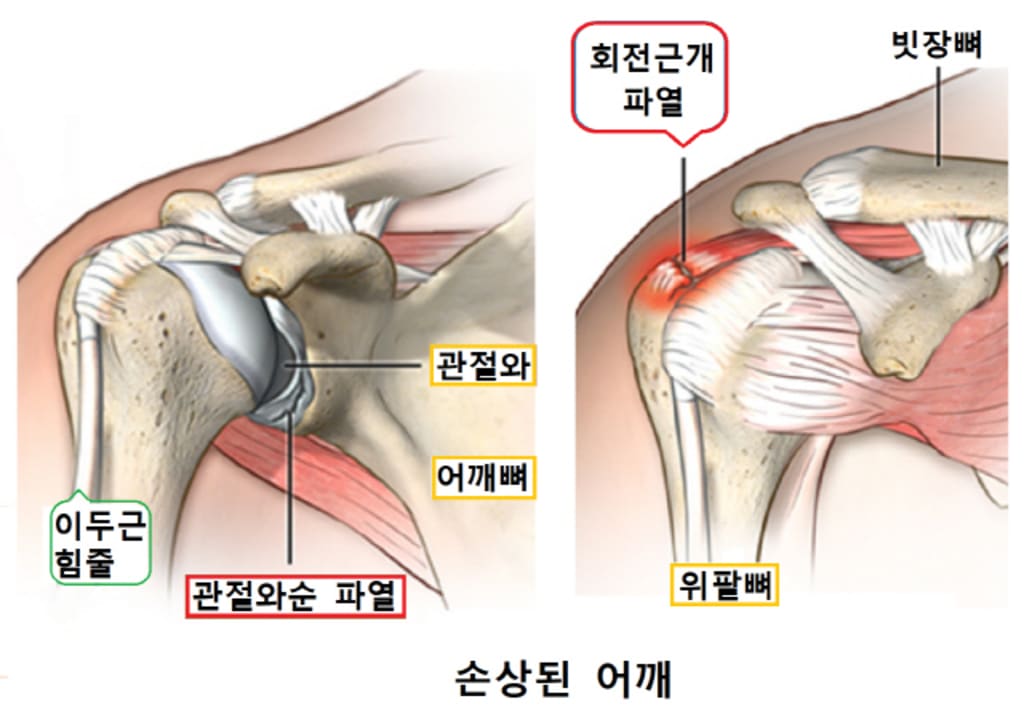
Causes of shoulder pain
The shoulder is one of the most complex and movable joints in the human body, and has an extremely sophisticated muscle structure. The shoulder muscle group centered on the rotator cuff consists of the deltoid, suprascapular, subscapular, teres major, and others, and enables various movements of the upper limb.
The main causes of shoulder pain are very diverse. First, muscle imbalance and excessive repetitive movements can cause serious pain. In particular, sports players are vulnerable to muscle fatigue and micro-damage due to continuous repetition of certain movements. For example, baseball pitchers and tennis players are subject to continuous stress on the rotator cuff due to overhead throwing movements.
Second, improper posture and muscle tension are the main causes of chronic shoulder pain. Continuous tension in the neck and shoulders due to long-term computer work, smartphone use, etc. can cause myofascial pain syndrome. These postural problems interfere with blood circulation in the muscles and aggravate muscle fatigue.
The risk of shoulder injuries increases during sports activities. Impingement syndrome, rotator cuff tear, and biceps tendonitis are common injuries among athletes. These injuries can lead to long-term decline in athletic ability beyond simple pain, so prevention and proper management are very important.
Finally, age, trauma, and degenerative diseases are also important factors in shoulder pain. In particular, pain due to degenerative changes such as arthritis frequently occurs in people over 40. These complex causes vary depending on the individual's physical condition, type of activity, and lifestyle.
The Effects of Sports Massage
Sports massage is a professional massage technique aimed at improving and restoring physical function in athletes and the general public. It is a systematic approach that goes beyond simple relaxation techniques to optimize the physiological function of muscles and improve athletic performance.
The main principles of sports massage are to relieve muscle tension, promote blood circulation, and improve lymphatic circulation. Massage techniques are broadly divided into three categories: preventive massage, therapeutic massage, and recovery massage. Each technique is applied for specific purposes before, during, and after exercise.
The mechanism of muscle relaxation is as follows. Massage gently releases tense muscle fibers in the muscles and increases muscle elasticity. In the process, it relaxes the fascia attached to the muscles, promoting smooth circulation of blood and oxygen. In particular, deep tissue massage can effectively relieve chronic muscle pain and stiffness.
The effect of improving blood circulation is one of the important benefits of massage. Massage dilates blood vessels and increases blood flow, promoting the supply of oxygen and nutrients. This activates the metabolic process of muscles and promotes the removal of waste products, promoting muscle recovery.
In terms of pain relief, sports massage works through the following physiological mechanisms:
1. Promotes endorphin secretion: Massage increases the secretion of endorphins, a natural pain reliever, thereby reducing pain perception.
2. Regulates inflammatory responses: Certain massage techniques reduce the production of inflammatory cytokines, thereby reducing pain and swelling.
3. Neuromuscular relaxation: Massage relaxes the neuromuscular junction of excessively tense muscles, relieving pain.
These scientific evidences clearly show that sports massage is an important intervention method for musculoskeletal health management beyond a simple relaxation technique.
Mechanism of pain threshold change
Pain threshold is a physiological concept that refers to the minimum intensity at which an individual begins to perceive a stimulus as pain. It varies depending on the individual's nervous system response, psychological state, and physical condition.
The mechanism by which sports massage increases pain threshold can be explained through the following physiological processes.
1. Neurotransmission control mechanism
Massage comprehensively modulates the neurotransmission system involved in pain signal transmission. In particular, it modulates pain perception in the central nervous system by activating the descending pain inhibitory pathway. In this process, the pain control center of the cerebral cortex is stimulated, increasing the pain perception threshold.
2. Neurotransmitter secretion change
Massage promotes the secretion of neurotransmitters related to pain relief and relaxation, such as endorphins, serotonin, and GABA. These biochemical changes are directly related to the suppression of pain sensation, effectively increasing the pain threshold.
Analysis of the effect of massage factors on pain threshold
1. Massage intensity: Moderate intensity massage is most effective in increasing pain threshold. Too weak or too strong massage can have the opposite effect.
2. Massage duration: Massage between 15 and 30 minutes is observed to induce optimal pain threshold changes. During this time, physiological relaxation of muscles and nervous system regulation occur most effectively.
3. Massage technique: Deep tissue massage and trigger point technique are particularly effective in increasing pain threshold. These techniques directly regulate pain perception through fascial relaxation and improvement of local blood circulation.
In conclusion, sports massage can effectively regulate pain threshold through complex physiological mechanisms. The effect can vary depending on the individual's physical condition and massage conditions, and a scientific and systematic approach is required.
Conclusion
This study comprehensively analyzed the effect of sports massage on muscle activity and pain threshold of neck and shoulder muscles. In summary, the main research results show that sports massage has a significant effect on muscle relaxation, blood circulation improvement, and pain relief.
In particular, it is noteworthy that sports massage can control pain threshold through complex physiological mechanisms beyond simple relaxation techniques. Moderate intensity massage, duration of 15-30 minutes, and deep tissue massage techniques were found to be the most effective, which provides important implications for clinical practice and exercise rehabilitation.
In terms of practical application, this study suggests the following:
1. Development of customized massage protocols tailored to individual physical condition and characteristics
2. Establishment of systematic massage intervention programs for sports athletes and patients with chronic musculoskeletal pain
3. Dissemination of preventive massage approaches for muscle relaxation and pain management
However, this study has several limitations. First, the generalization of the results is limited due to the limited sample size, and second, it was difficult to completely control individual physiological differences and psychological factors.
Therefore, the areas that require in-depth observation and research in the future are as follows.
1. Long-term effectiveness verification through a larger-scale longitudinal study
2. Comparative study of massage effects in various age groups and physical conditions
3. More in-depth scientific clarification of neurophysiological mechanisms
In conclusion, this study is significant in that it presents scientific evidence on the effectiveness of sports massage and explores new possibilities for musculoskeletal health management.
About the Creator
Mr. choi
I think you can enjoy sports more if you have basic knowledge about sports. I want to create opportunities to learn little by little. I want to provide information such as sports broadcasts and sports news.
Day 4 of Quitting
If this is how sobriety feels, maybe it’s better to go through life a little buzzed… this, along with other hits like, I want to kill myself, I wish I was dead, and I’m going to throw myself off a bridge have been the only thoughts on rotation these past few days. I promise myself that if, in a month, I still feel like this (‘this’ meaning despondent, full of rage, and simultaneously numb) I can go back to smoking. Until mid-February though? Nicotine is off the table.
By sleepy drafts12 days ago in Longevity
Cloud's advice
A Conversation with the Cloud Friday, 5 January 2018 By Javed Iqbal Dark clouds had spread across the sky. They were so thick and heavy that even during the daytime, it felt as if night had fallen. Zeeshan was walking quickly toward his fields. He was worried that if it started raining, the bundles of wheat lying in the open would be damaged. He wanted to cover them with plastic sheets before the rain arrived.
By Sudais Zakwan5 days ago in Longevity



Comments
There are no comments for this story
Be the first to respond and start the conversation.