
The Dopamine Dilemma: The Dangers of Overloading Your Brain and How to Detoxify
Explore the hidden dangers of chronic dopamine stimulation and discover healthier, natural ways to regulate dopamine levels for better mental well-being.
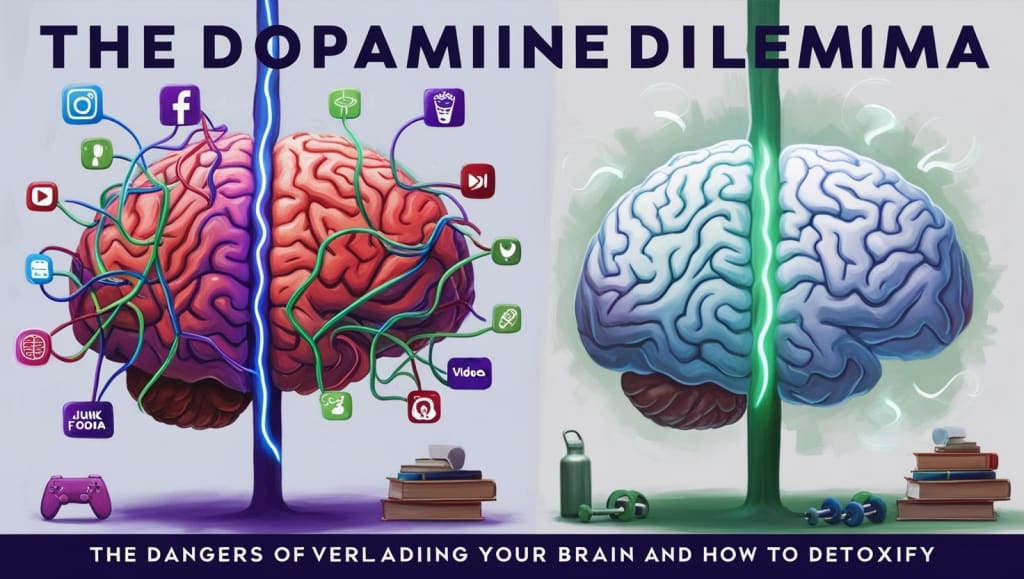
Introduction:
Dopamine, often referred to as the "feel-good" neurotransmitter, plays a crucial role in our brain's reward system. It motivates us to pursue rewards and helps us feel pleasure when we succeed. However, in today's world of instant gratification—social media, video games, junk food, and constant digital stimulation—we are constantly overloading our dopamine systems. This chronic stimulation can lead to addiction, burnout, and mental health problems.
In this article, we will explore the dangers of consuming too much dopamine, the effects it has on the brain, and how to detoxify from this overstimulation. We will also suggest healthier alternatives to boost dopamine naturally without falling into the trap of excessive consumption.
The Dangers of Consuming Too Much Dopamine:
Addiction and Dependence:
Dopamine is often referred to as the “reward chemical” because it motivates us to seek pleasurable activities. However, when we constantly chase dopamine spikes, such as from social media notifications or junk food, the brain gets used to these constant rewards. Over time, the brain requires more and more stimulation to release the same amount of dopamine, leading to addictive behaviors. This is commonly seen with internet addiction, gambling, and substance abuse.
Dopamine Deficiency:
Paradoxically, overloading the brain with dopamine can eventually lead to a shortage of dopamine. When the brain is overstimulated, it can start to become desensitized to dopamine, making it harder to feel pleasure from everyday activities. This can lead to depression, lack of motivation, and a general sense of dissatisfaction with life.
Burnout and Mental Fatigue:
The constant barrage of dopamine hits—whether from scrolling through your phone, eating sugary foods, or playing video games—can exhaust the brain's reward system. The result is emotional burnout, mental fatigue, and an inability to focus on important tasks. This is why many people feel exhausted after spending hours on their devices.
Impaired Decision-Making:
The pursuit of instant gratification, driven by dopamine, can impair decision-making. When you prioritize short-term rewards over long-term goals, it becomes harder to delay gratification. This impulsive behavior can negatively impact career goals, relationships, and overall life satisfaction.
Increased Stress and Anxiety:
The overstimulation of dopamine can activate the brain's stress response system. When you constantly seek dopamine spikes, your brain is in a state of heightened alertness, which can increase anxiety and stress levels. In the long term, this contributes to emotional instability.
Dopamine Detoxification: How to Reset Your Brain:
A dopamine detox is a process of reducing overstimulation to reset your brain's reward system. By allowing your brain to return to a more balanced state, you can regain control over your cravings and motivations. Here’s how you can detoxify:
1. Take a Break from Social Media and Digital Devices:
Social media, video games, and constant notifications are among the biggest sources of dopamine overload. Start by reducing screen time for a day, a weekend, or even longer. This will help your brain recalibrate and prevent constant dopamine spikes.
2. Avoid Junk Food and Sugar:
Sugary and highly processed foods trigger the release of dopamine, making them highly addictive. For your dopamine detox, eliminate junk food, sugary snacks, and caffeinated beverages for a period of time to allow your brain’s reward system to reset.
3. Engage in Mindful Activities:
Practice mindfulness techniques like deep breathing, meditation, or yoga. These activities help calm your brain and reduce dopamine overstimulation, allowing you to focus on the present moment without the need for constant rewards.
4. Limit or Eliminate Multitasking:
Multitasking overloads your brain with constant rewards. Instead, focus on one task at a time. This allows your brain to process rewards more effectively without feeling overstimulated.
5. Practice Boredom:
In a world filled with distractions, it’s difficult to experience boredom. But boredom can be incredibly useful in resetting your dopamine levels. Allow yourself moments of silence or stillness, which forces your brain to engage in natural self-reflection without external stimulation.
Healthier Ways to Boost Dopamine Naturally:
Exercise Regularly:
Physical activity is one of the healthiest ways to increase dopamine naturally. Exercise promotes the production of dopamine while also improving mood and mental clarity. Aim for at least 30 minutes of moderate exercise daily, such as walking, jogging, or swimming.
Set Achievable Goals:
Dopamine is released when we accomplish goals. Break down large tasks into smaller, more manageable goals. Each small achievement will trigger a healthy dopamine release and motivate you to keep going.
Eat a Balanced Diet:
Foods like lean proteins, fruits, vegetables, and nuts are rich in the building blocks your brain needs to produce dopamine. Avoid sugar and processed foods, which provide temporary spikes but lead to long-term imbalances.
Get Sunlight Exposure:
Sunlight naturally stimulates dopamine production and helps regulate your circadian rhythm. Spending 15–30 minutes outdoors in the morning can improve mood and energy levels.
Practice Gratitude:
Practicing gratitude daily has been shown to increase dopamine levels. Take a moment each day to reflect on what you're thankful for, and this simple practice can boost your mood and promote a sense of fulfillment.
Conclusion:
While dopamine is essential for motivation and pleasure, an overload of this powerful neurotransmitter can cause significant damage to your brain and mental health. By understanding the dangers of excessive dopamine consumption and embracing a dopamine detox, you can regain a healthier relationship with pleasure and reward. Incorporating healthier ways to boost dopamine naturally—through mindful practices, regular exercise, and a balanced diet—can help you build long-lasting habits for better mental well-being and fulfillment.
Remember, balance is key. Moderation, self-awareness, and mindful choices are the keys to a healthy dopamine system and a happy, fulfilling life.
This article not only informs about the dangers of dopamine overload but also provides actionable steps for detoxification and healthier alternatives. Would you like this formatted or designed for any specific platform?
You said:
give me cover idea of this article
ChatGPT said:
Here’s a cover idea for your article "The Dopamine Dilemma: The Dangers of Overloading Your Brain and How to Detoxify":
Main Visual:
Left side: An image of a brain overloaded with wires and bright, flashing lights to represent overstimulation. The wires could have icons like social media, junk food, and video games attached to them, symbolizing the sources of dopamine overload. The brain should look exhausted, with visible stress or fatigue.
Right side: A clean, calm brain, surrounded by soft light, nature elements, and minimalist objects like books or exercise equipment to represent a dopamine detox. The brain should look rested, peaceful, and balanced. This side symbolizes mental clarity and recovery after the detox.
Color Palette:
Left side (Overstimulation): Use neon bright colors (electric blues, reds, greens, and purples) to evoke a sense of chaos, overload, and energy.
Right side (Detox and Balance): Use soothing, calm colors like soft greens, whites, and blues to symbolize tranquility, clarity, and natural balance.
Typography:
Title: At the top, the title “The Dopamine Dilemma” in bold, modern serif font that conveys urgency.
Subtitle: Below the title, in a smaller, sans-serif font: “The Dangers of Overloading Your Brain and How to Detoxify.” Make the subtitle less bold but still clearly visible.
Additional Elements:
Contrast: Use a strong contrast between the left and right sides to showcase the difference between overstimulation and recovery.
Light Effects: On the detox side, use subtle glow effects around the calm brain to represent natural healing and balance.
Include a small icon or image of a yoga pose or a walking figure to show the connection to natural dopamine boosting activities (from the healthier side).
Final Composition:
The cover should feel like a visual metaphor for the journey from overstimulation to balance—reflecting the core message of the article.
About the Creator
Day 4 of Quitting
If this is how sobriety feels, maybe it’s better to go through life a little buzzed… this, along with other hits like, I want to kill myself, I wish I was dead, and I’m going to throw myself off a bridge have been the only thoughts on rotation these past few days. I promise myself that if, in a month, I still feel like this (‘this’ meaning despondent, full of rage, and simultaneously numb) I can go back to smoking. Until mid-February though? Nicotine is off the table.
By sleepy drafts11 days ago in Longevity
The Muscle Paradox: Why Training Harder Is Making You Weaker
I watch it happen every week. Someone walks into the gym with fire in their eyes, ready to transform. Six months later, they're frustrated, confused, and barely any different than when they started. Same weights. Same physique. Same excuses.
By Destiny S. Harris6 days ago in Longevity




Comments
There are no comments for this story
Be the first to respond and start the conversation.