
The Dark Side of Sugar
"The Bitter Truth About Your Sweet Truth"

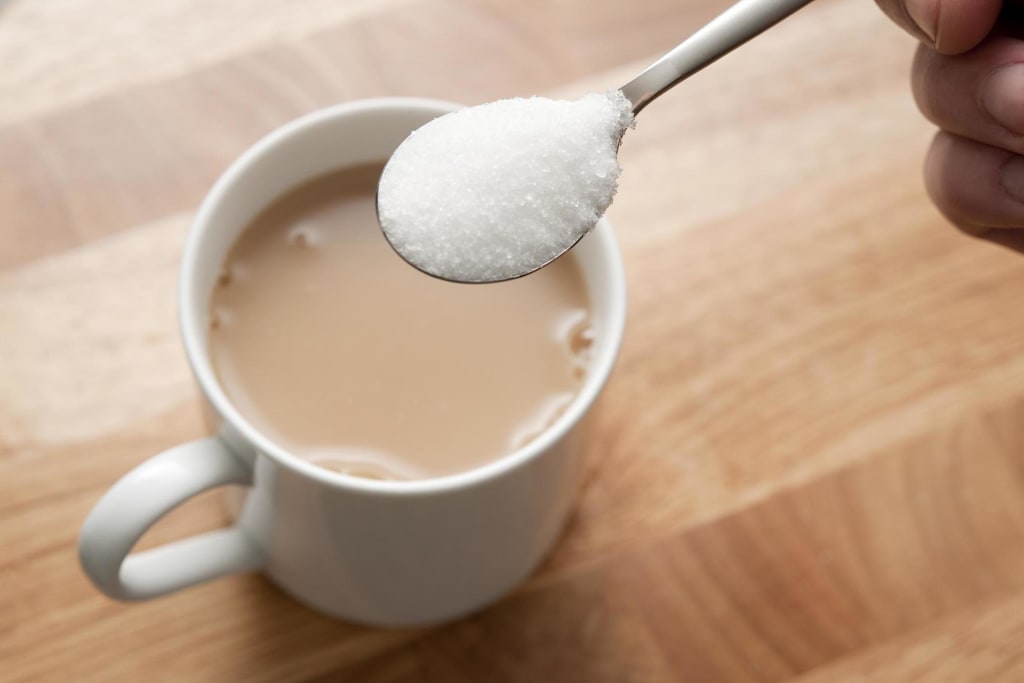
Sugar is everywhere. From your morning coffee to processed snacks, sugary foods dominate modern diets. While it adds sweetness to life, excessive sugar consumption comes with a hidden cost. It affects not only your weight but also your brain, heart, and energy levels. In this article, we’ll uncover the harmful effects of sugar, why it’s so addictive, and how you can break free from sugar’s grip.
1. Sugar and Your Brain: The Addiction You Didn’t Know You Had
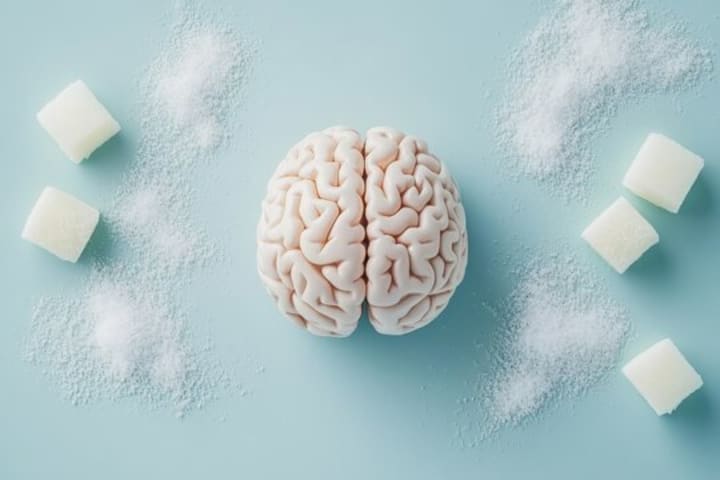
Have you ever wondered why you crave sugary foods? The answer lies in dopamine, a neurotransmitter linked to pleasure and reward. When you consume sugar, your brain releases dopamine, creating a short-term feeling of happiness—similar to the effects of drugs like cocaine.
Why Sugar is Addictive:
Sugar triggers the reward system in your brain, making you crave more.
Over time, you build tolerance, needing more sugar to feel the same pleasure.
Cutting back on sugar can lead to withdrawal symptoms like headaches, mood swings, and fatigue.
Studies show that people who consume high amounts of sugar are more likely to experience anxiety, depression, and brain fog.
2. Sugar’s Impact on Your Body: From Fat Storage to Energy Crashes
Excess sugar doesn’t just affect your brain—it wreaks havoc on your metabolism.
Here’s what happens when you consume sugar:
1. Blood Sugar Spike: Right after eating sugary foods, your blood sugar levels skyrocket.
2. Insulin Surge: Your pancreas releases insulin to regulate blood sugar, leading to fat storage.
3. Energy Crash: After the insulin spike, your blood sugar drops, leaving you feeling tired and craving more sugar.
The Dangers of Excess Sugar:
Weight Gain: Sugar is high in empty calories and increases belly fat.
Increased Risk of Diabetes: Consistently high sugar intake leads to insulin resistance, increasing the risk of type 2 diabetes.
Weakened Immune System: Too much sugar reduces your body's ability to fight infections.

3. Sugar and Heart Disease: The Silent Killer
Most people think fat is the biggest cause of heart disease, but sugar is an even bigger threat.
How Sugar Harms Your Heart:
Increases Bad Cholesterol (LDL): Excess sugar raises bad cholesterol and lowers good cholesterol (HDL).
Leads to High Blood Pressure: Sugar increases inflammation and stiffens arteries.
Causes Fatty Liver Disease: Excess sugar (especially fructose) overloads the liver, leading to fat buildup and potential liver damage.
A study in JAMA Internal Medicine found that people who consume 25% or more of their daily calories from sugar are twice as likely to die from heart disease than those who eat less.

4. How Sugar Affects Your Skin and Aging Process
Want to keep your skin looking young and healthy? Cutting down on sugar might be the secret.
How Sugar Ages You Faster:
Breaks Down Collagen: Sugar triggers a process called glycation, which damages collagen and elastin—leading to wrinkles and sagging skin.
Causes Acne Breakouts: High sugar intake spikes inflammation, leading to increased oil production and acne.
Leads to Dull Skin: Sugar dehydrates the skin, making it look tired and lifeless.
If you want glowing, youthful skin, reducing sugar intake is just as important as skincare.

5. Hidden Sugars: Where Sugar Sneaks Into Your Diet
Even if you’re not eating candy, you’re probably consuming more sugar than you think. Processed foods contain hidden sugars that trick you into eating way beyond the recommended limit.
Common Foods with Hidden Sugars:
Flavored yogurts – Can contain as much sugar as a candy bar.
Ketchup and sauces – Most contain high-fructose corn syrup.
Breakfast cereals – Even "healthy" cereals are loaded with sugar.
Fruit juices – Packed with sugar but lacking fiber.
Sugar’s Many Names on Food Labels:
High-fructose corn syrup
Sucrose
Maltose
Dextrose
Cane sugar
Even "natural" sugars like honey and agave can spike blood sugar if consumed excessively.
6. How to Reduce Sugar Without Feeling Deprived
Cutting sugar doesn’t mean giving up sweetness altogether. Here are some easy ways to reduce sugar without feeling miserable:
Simple Swaps:
❌ Soda → ✅ Sparkling water with lemon
❌ Sugary snacks → ✅ Nuts and dark chocolate
❌ White bread → ✅ Whole-grain options
Other Tips to Reduce Sugar:
Read Labels Carefully – Check sugar content in packaged foods.
Choose Natural Sweeteners – Stevia, monk fruit, and cinnamon can add sweetness without blood sugar spikes.

Increase Protein and Fiber Intake – This helps control hunger and sugar cravings.
Drink More Water – Dehydration can sometimes be mistaken for sugar cravings.
7. The Sugar Detox: How to Reset Your Body
If you’ve been consuming too much sugar, a 7-day sugar detox can help reset your cravings and energy levels.
What to Eat During a Sugar Detox:
Healthy Fats – Avocados, nuts, and olive oil keep you full.
Lean Proteins – Chicken, fish, and tofu support metabolism.
Fiber-Rich Vegetables – Broccoli, spinach, and bell peppers regulate blood sugar.
By the end of the detox, your cravings will decrease, and you’ll feel more energetic and focused.
About the Creator
Muhammad Asif
"Passionate about health and wellness, I share insightful articles on fitness, nutrition, mental well-being, and lifestyle habits that promote a healthier life. Join me on this journey to discover practical tips.
Keep reading
More stories from Muhammad Asif and writers in Longevity and other communities.
How Water Affects Your Body and Mind
Water is essential for life. It makes up approximately 60% of the human body and is involved in nearly every bodily function. From maintaining energy levels to enhancing cognitive performance, staying hydrated is crucial for overall well-being. In this article, we will explore the profound effects of hydration on both the body and the mind, the consequences of dehydration, and tips to maintain optimal hydration levels.
By Muhammad Asif11 months ago in Longevity
How to Create a Relaxing Spa Environment with Himalayan Salt Wall Panels
Creating a relaxing spa environment requires more than soft music and essential oils. Interior design plays a crucial role in shaping how clients feel the moment they enter a space. Himalayan salt wall panels have been integrated into a highly significant design component in contemporary wellness buildings due to their integration of natural beauty with relaxing light. These tiles are salt bricks and Himalayan salt tiles and are used to create warmth and texture and a therapeutic atmosphere, which is completely in line with spa and wellness settings. Their natural pink and amber colors immediately transform the interiors to make treatment rooms calm and friendly.
By David Smitha day ago in Longevity
20 Tested and Proven Longevity Hacks
Many people can avoid certain health problems simply with shifting their choices. They buy the supplements, read the articles, and watch the documentaries about Blue Zones and nod along like they learned something. Then they go back to poor sleeping habits, eating garbage, sitting for ten hours, and wondering why their energy is destroyed by 2pm.
By Destiny S. Harris3 days ago in Longevity
Review of 'Man on the Run'
My wife and I saw Man on the Run, a nearly 2-hour documentary on Amazon Prime, about Wings, Paul McCartney's group that flew around the world from shortly after The Beatles broke up in early 1970 to shortly after John Lennon was murdered at the end of 1980, making a Beatles reunion forever impossible.
By Paul Levinson5 days ago in Beat



Comments
There are no comments for this story
Be the first to respond and start the conversation.