
How Water Affects Your Body and Mind
Unlocking the Vital Role of Hydration in Physical Health, Mental Clarity, and Overall Well-Being


Water is essential for life. It makes up approximately 60% of the human body and is involved in nearly every bodily function. From maintaining energy levels to enhancing cognitive performance, staying hydrated is crucial for overall well-being. In this article, we will explore the profound effects of hydration on both the body and the mind, the consequences of dehydration, and tips to maintain optimal hydration levels.
The Role of Water in the Body
Water plays a fundamental role in various physiological processes, including:
1. Regulating Body Temperature
Sweating is the body’s natural cooling mechanism. When you sweat, water evaporates from the skin, releasing heat and helping to maintain a stable internal temperature. Without adequate hydration, this process becomes inefficient, leading to heat exhaustion or heatstroke. Proper hydration ensures that the body can regulate its temperature effectively, keeping you comfortable and preventing overheating.

2. Enhancing Physical Performance
Proper hydration is vital for muscle function and endurance. Dehydration can cause muscle cramps, reduced strength, and increased fatigue. Athletes and physically active individuals must replenish lost fluids to sustain performance and prevent injuries. Drinking water before, during, and after exercise helps maintain stamina, prevent cramps, and support quicker recovery times.

3. Aiding Digestion and Nutrient Absorption
Water is essential for breaking down food and aiding digestion. It helps dissolve nutrients, making them easier for the body to absorb. Insufficient water intake can lead to digestive issues like constipation and bloating. The digestive system relies on fluids to produce gastric juices, transport nutrients, and promote regular bowel movements, ensuring that the body efficiently processes the food we consume.

4. Flushing Out Toxins
The kidneys rely on water to filter waste products from the blood and excrete them through urine. Staying hydrated prevents the buildup of toxins and reduces the risk of kidney stones and urinary tract infections. A consistent intake of water supports kidney function, allowing the body to detoxify naturally and maintain overall health.
5. Supporting Joint and Muscle Health
Water acts as a lubricant for joints and helps maintain muscle elasticity. Dehydration can lead to stiffness, discomfort, and a higher risk of injury. Joint cartilage, which provides cushioning between bones, consists mostly of water. Keeping hydrated ensures that joints remain flexible, reducing the likelihood of pain and long-term damage.
The Impact of Hydration on the Mind
Water is just as crucial for mental function as it is for physical health. Here’s how hydration affects the brain:
1. Boosting Cognitive Function
Even mild dehydration can impair concentration, memory, and overall cognitive performance. Studies have shown that a 1-2% decrease in hydration can lead to reduced focus and slower reaction times. The brain relies on proper hydration to maintain alertness, process information, and facilitate quick decision-making.

2. Preventing Mood Swings and Stress
Dehydration can contribute to irritability, anxiety, and stress. Water helps regulate hormone production and neurotransmitter function, keeping mood swings in check and promoting emotional stability. A well-hydrated brain functions optimally, supporting emotional well-being and reducing stress-related fatigue.

3. Improving Sleep Quality
roper hydration supports the body's natural sleep-wake cycle. Dehydration can lead to discomfort, dry throat, and nighttime cramps, all of which disrupt sleep. Drinking adequate water throughout the day (but not excessively before bedtime) can promote deeper, more restful sleep.

4. Reducing Headaches and Migraines
One of the most common causes of headaches is dehydration. Insufficient water intake leads to reduced blood flow and oxygen delivery to the brain, triggering migraines and tension headaches. Staying hydrated minimizes the likelihood of headaches and enhances overall brain function.

Signs of Dehydration
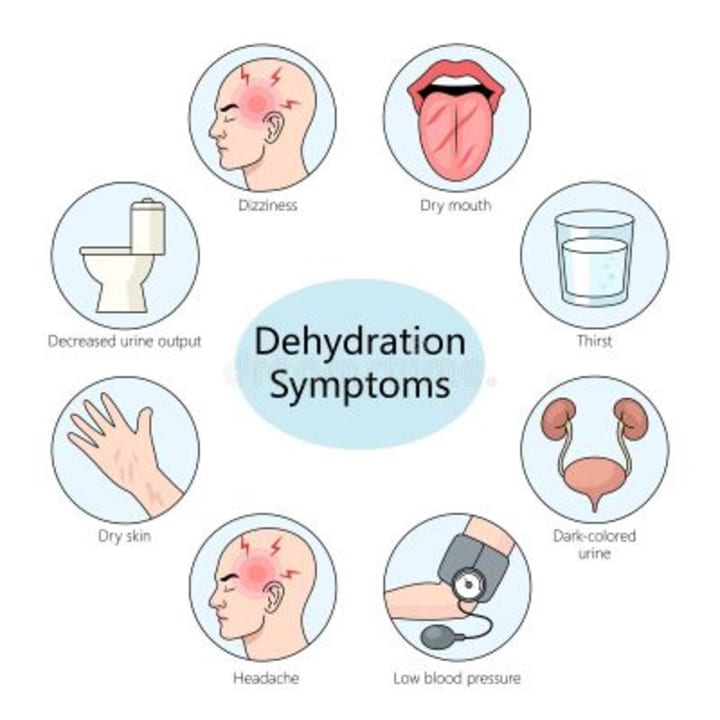
Recognizing the early signs of dehydration can help prevent serious health issues. Common symptoms include:
Dry mouth and skin
Dark yellow urine
Fatigue and dizziness
Difficulty concentrating
Increased heart rate
Muscle cramps
If dehydration is not addressed promptly, it can lead to severe complications, including heat-related illnesses and kidney problems. Chronic dehydration can also contribute to long-term health issues, such as high blood pressure and digestive disorders.
How Much Water Do You Need?
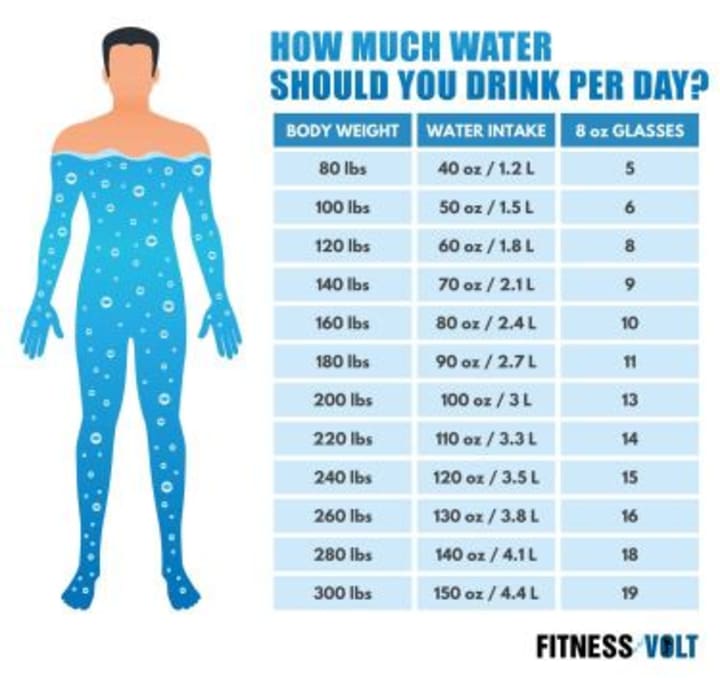
The general recommendation is to drink 8-10 glasses (2-3 liters) of water per day, but individual needs vary depending on age, activity level, and climate. Some factors that increase water requirements include:
Hot and humid weather
Intense physical activity
High-protein or high-sodium diets
Pregnancy and breastfeeding
Listening to your body and drinking water when you feel thirsty is the best way to ensure proper hydration. Additionally, monitoring your urine color can be a simple indicator—light yellow suggests good hydration, while darker shades indicate a need for more fluids.
Tips for Staying Hydrated
Maintaining optimal hydration levels doesn’t have to be complicated. Here are some practical tips:
1. Start Your Day with Water
Drinking a glass of water in the morning jumpstarts metabolism and helps flush out toxins accumulated overnight. It also helps rehydrate the body after several hours of sleep.

2. Carry a Water Bottle
Having a reusable water bottle with you ensures easy access to hydration throughout the day. This makes it more convenient to drink water regularly and track your daily intake.

3. Eat Hydrating Foods
Fruits and vegetables like cucumbers, watermelon, oranges, and celery have high water content and contribute to overall hydration. Incorporating these foods into meals and snacks can help maintain hydration levels.

4. Set Hydration Reminders
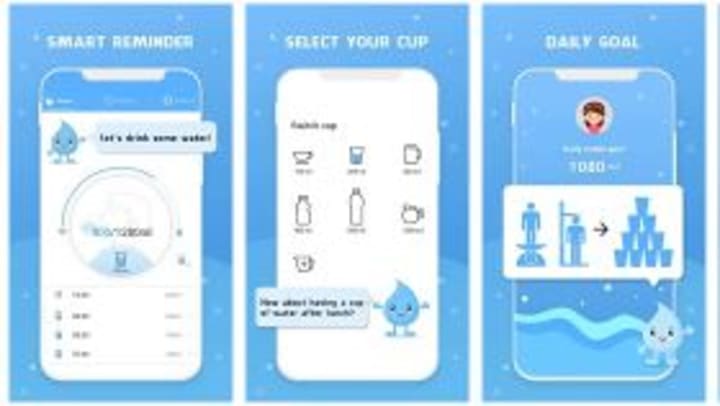
Use apps or set alarms to remind yourself to drink water regularly, especially if you have a busy schedule. Staying mindful of hydration prevents unintentional dehydration.
5. Monitor Your Urine Color
A simple way to check hydration levels is by looking at urine color. Light yellow indicates proper hydration, while dark yellow or amber suggests dehydration.

6. Drink Herbal Teas or Infused Water
If plain water feels boring, try herbal teas or infuse water with fruits, mint, or cucumber for added flavor. This can make hydration more enjoyable and encourage consistent water intake.
7. Adjust Fluid Intake Based on Activity Level
Increase water intake during exercise or physical activity to compensate for fluid loss through sweat. Proper hydration before and after workouts supports recovery and reduces muscle soreness.
About the Creator
Muhammad Asif
"Passionate about health and wellness, I share insightful articles on fitness, nutrition, mental well-being, and lifestyle habits that promote a healthier life. Join me on this journey to discover practical tips.
Keep reading
More stories from Muhammad Asif and writers in Longevity and other communities.
Professional Balance Coaching: Training the Nervous System for Lifelong Stability
Balance is often misunderstood. When stability declines, the default response is to build stronger legs or improve flexibility. While those strategies can help, they overlook a more important factor: balance is primarily governed by the central nervous system.
By AhmedFitLife5 days ago in Longevity
Uncertainty
Uncertainty Is a dull life good for you? An ancient Chinese sage is reported to have stated that the only constant in the universe is change. That is interpreted as meaning the natural flows of seasons and evolution have to be accepted, followed and supported. There is also the fact that all change comes at a “cost”. The expenditure of effort of some sort must be made in order for change to happen. This cost may not be met by those benefiting from the change.
By Peter Rose7 days ago in Longevity




Comments (2)
Thanks for sharing. I definitely don't drink enough water when I'm busy watching my son and it's something I need to be more mindful of!
Nice article.