
The contribution and types of various dietary fats
importance of dietary fats


Title: The Contribution of Various Dietary Fats and Their Types to Human Health
Introduction :
Dietary fats play a significant role in human health, providing essential nutrients and energy for various physiological processes. However, not all dietary fats are created equal. Different types of fats have distinct effects on the body, with some contributing to optimal health while others may increase the risk of chronic diseases. This article aims to explore the contribution of various dietary fats and their types to human health. By understanding the different types of fats and their impact on the body, individuals can make informed choices regarding fat consumption, promoting overall well-being.
Saturated Fats :
1.1 Definition and Food Sources
Saturated fats are a type of dietary fat that consists of saturated fatty acids. These fats are typically solid at room temperature and are found primarily in animal-based products such as meat, full-fat dairy products, and tropical oils like coconut and palm oil. Some plant-based sources, such as cocoa butter, also contain saturated fats.
1.2 Effects on Health
Consuming excessive amounts of saturated fats has been linked to an increased risk of cardiovascular diseases, particularly heart disease. Saturated fats tend to raise levels of low-density lipoprotein (LDL) cholesterol, often referred to as "bad" cholesterol, which can contribute to the development of atherosclerosis and lead to cardiovascular complications.
1.3 Recommended Intake
To promote cardiovascular health, it is generally recommended to limit the intake of saturated fats to less than 10% of total daily caloric intake. This can be achieved by choosing leaner cuts of meat, opting for low-fat dairy products, and reducing the consumption of processed foods high in saturated fats.
Trans Fats :
2.1 Definition and Food Sources
Trans fats are a type of unsaturated fat that undergoes a process called hydrogenation, which transforms liquid vegetable oils into solid fats. Trans fats are commonly found in partially hydrogenated oils and are often used in processed foods to enhance taste, texture, and shelf life. Examples include fried foods, baked goods, margarine, and some fast-food products.
2.2 Effects on Health
Trans fats have been extensively linked to adverse health effects, particularly cardiovascular disease. They raise LDL cholesterol levels and decrease high-density lipoprotein (HDL) cholesterol levels, which is commonly referred to as "good" cholesterol. Consuming trans fats has also been associated with an increased risk of inflammation, insulin resistance, and certain chronic conditions.
2.3 Recommendations and Regulations
Due to the significant health risks associated with trans fats, many countries have implemented regulations to reduce or eliminate their presence in food products. It is generally recommended to minimize trans fat consumption as much as possible by reading food labels and avoiding products that contain partially hydrogenated oils.
Monounsaturated Fats :
3.1 Definition and Food Sources
Monounsaturated fats are unsaturated fats that contain one double bond in their fatty acid chain. These fats are typically liquid at room temperature but can solidify under colder conditions. Food sources rich in monounsaturated fats include olive oil, avocado, nuts (such as almonds, cashews, and peanuts), and seeds (such as sesame and pumpkin seeds).
3.2 Effects on Health
Monounsaturated fats are considered heart-healthy fats. They have been associated with improved blood lipid profiles, including decreased LDL cholesterol levels and increased HDL cholesterol levels. Consuming monounsaturated fats in moderation as part of a balanced diet can contribute to cardiovascular health and may help reduce the risk of heart disease.
Polyunsaturated Fats :
4.1 Definition and Food Sources
Polyunsaturated fats are unsaturated fats that contain more than one double bond in their fatty acid chain. These fats are typically liquid at room temperature and include two essential fatty acids: omega-3 and omega-6. Food sources rich in polyunsaturated fats include fatty fish (such as salmon, mackerel, and sardines), flaxseeds, chia seeds, walnuts, and vegetable oils (such as soybean, corn, and sunflower oil).
4.2 Effects on Health
Polyunsaturated fats, especially omega-3 fatty acids, have been associated with numerous health benefits. They play a crucial role in brain function, reducing inflammation, and promoting heart health. Omega-3 fatty acids, in particular, have been linked to a decreased risk of cardiovascular disease, improved cognitive function, and potential anti-inflammatory effects.
Essential Fatty Acids and Omega-6 to Omega-3 Ratio :
5.1 Essential Fatty Acids
Omega-6 and omega-3 fatty acids are essential fatty acids that the body cannot produce on its own and must be obtained from the diet. Both types of fatty acids play important roles in the body, contributing to various physiological functions.
5.2 Omega-6 to Omega-3 Ratio
Maintaining a proper balance between omega-6 and omega-3 fatty acids is essential. In modern Western diets, the ratio of omega-6 to omega-3 fatty acids is often imbalanced, with an overabundance of omega-6 fatty acids. This imbalance has been associated with increased inflammation and a higher risk of chronic diseases. Striving for a balanced omega-6 to omega-3 ratio, ideally around 4:1 or lower, can help promote optimal health.
Conclusion :
Dietary fats are a crucial component of a healthy diet, providing essential nutrients and energy. However, understanding the different types of fats and their effects on health is vital for making informed dietary choices. While saturated and trans fats should be limited due to their negative impact on cardiovascular health, monounsaturated and polyunsaturated fats, particularly omega-3 fatty acids, offer numerous health benefits. By incorporating sources of healthy fats, such as avocados, nuts, seeds, and fatty fish, individuals can optimize their fat intake and support overall well-being.
About the Creator
Piyal bal
I am a fervent writer in this mesmerizing,phenomenal platform to create essential,interesting stories of various subjects.
Day 4 of Quitting
If this is how sobriety feels, maybe it’s better to go through life a little buzzed… this, along with other hits like, I want to kill myself, I wish I was dead, and I’m going to throw myself off a bridge have been the only thoughts on rotation these past few days. I promise myself that if, in a month, I still feel like this (‘this’ meaning despondent, full of rage, and simultaneously numb) I can go back to smoking. Until mid-February though? Nicotine is off the table.
By sleepy drafts15 days ago in Longevity
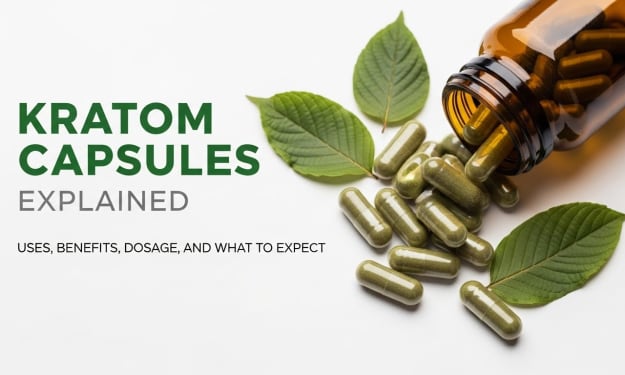
Kratom Capsules Explained. Uses, Benefits, Dosage, and What to Expect
Kratom capsules are one of the most popular ways to use kratom. Many people choose capsules because they are easy to take, taste free, and simple to measure. If you dislike the bitter flavor of kratom powder or want a cleaner option, capsules solve that problem.
By Jack Wilder2 days ago in Longevity
Thoughts on Vocal and the way the world is
"Death cannot stop true love, only delay it." – Wesley in The Princess Bride. I decided to come back to Vocal on a very cold and dark night at the end of December. I had been, and still am, convalescing from a horrible staph infection that had gone misdiagnosed for months. This, paired with the increasing challenges of being healthy, making the best choices for my co-parented child, being a wife, and being a director at a new job, was a lot to manage.
By Jazzy 3 days ago in Confessions



Comments
There are no comments for this story
Be the first to respond and start the conversation.