
The contribution and sources of vitamin E
importance of vitamin E

Title: The Role of Vitamin E and Its Dietary Sources in Promoting Health
Introduction :
Vitamin E is a fat-soluble vitamin with powerful antioxidant properties. It plays a vital role in maintaining overall health and has been associated with various beneficial effects on the body. This article aims to explore the role of vitamin E in promoting health and highlight its dietary sources. By understanding the importance of vitamin E and incorporating it into a balanced diet, individuals can optimize their well-being and potentially reduce the risk of certain chronic diseases.
Functions and Benefits of Vitamin E :
1.1 Antioxidant Protection
One of the primary functions of vitamin E is its role as an antioxidant. It protects cells from oxidative damage caused by free radicals, unstable molecules that can lead to cellular damage and contribute to the development of chronic diseases, such as cardiovascular disease and cancer. By neutralizing free radicals, vitamin E helps prevent or reduce the damage they can inflict on cell membranes, DNA, and other vital components.
1.2 Immune System Support
Vitamin E also plays a crucial role in supporting a healthy immune system. It helps maintain the integrity of immune cells and enhances their function, allowing the body to defend against infections and diseases more effectively. Additionally, vitamin E has anti-inflammatory properties that may help modulate the immune response and promote optimal immune function.
1.3 Skin Health
Vitamin E is known for its benefits to skin health. It contributes to the maintenance of healthy skin by protecting against oxidative damage caused by environmental factors, such as UV radiation. Vitamin E can also help moisturize the skin and promote healing, making it a common ingredient in skincare products.
1.4 Heart Health
Vitamin E has been extensively studied for its potential cardiovascular benefits. It may help prevent the oxidation of low-density lipoprotein (LDL) cholesterol, commonly referred to as "bad" cholesterol, which can contribute to the development of atherosclerosis and heart disease. Vitamin E's antioxidant properties may also help reduce inflammation and improve blood vessel function, promoting cardiovascular health.
Dietary Sources of Vitamin E :
2.1 Plant-Based Sources
Many foods, particularly plant-based sources, are rich in vitamin E. Some excellent sources include:
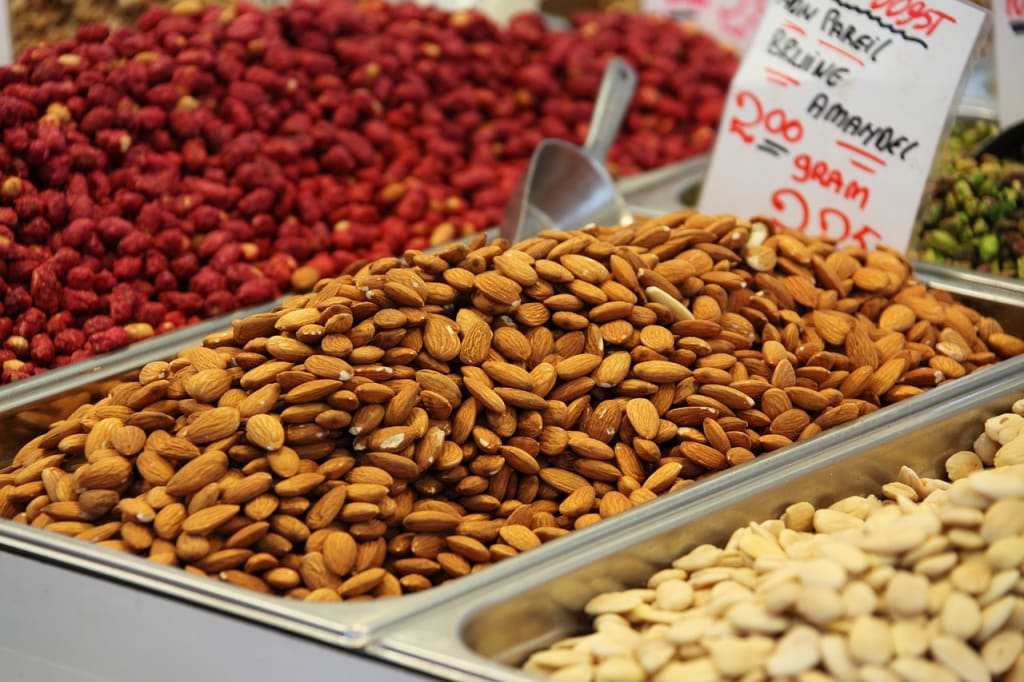
Nuts and Seeds: Almonds, sunflower seeds, hazelnuts, and peanuts are all high in vitamin E. Incorporating a handful of nuts or seeds into the diet can provide a significant amount of this essential vitamin.
Vegetable Oils: Oils derived from sunflower, safflower, wheat germ, and soybean are excellent sources of vitamin E. These oils can be used in cooking or as dressings to boost vitamin E intake.
Green Leafy Vegetables: Spinach, Swiss chard, and kale are examples of leafy greens that contain vitamin E. Adding these vegetables to salads, stir-fries, or smoothies can increase vitamin E consumption.
Avocado: This creamy fruit is not only a good source of healthy fats but also provides vitamin E. Enjoying avocado in salads, sandwiches, or as a spread can contribute to vitamin E intake.
Whole Grains: Wheat germ, brown rice, oats, and quinoa are whole grains that contain vitamin E. Choosing whole grain options over refined grains can enhance vitamin E intake.
2.2 Animal-Based Sources
While plant-based sources are more commonly associated with vitamin E, there are some animal-based sources as well:
Fish and Seafood: Fatty fish like salmon and trout contain small amounts of vitamin E. Incorporating fish into the diet as part of a balanced meal plan can contribute to vitamin E intake.
Eggs: The yolk of eggs contains small amounts of vitamin E. However, it's important to note that the vitamin E content in eggs can vary depending on the diet of the hens.
Recommended Intake and Considerations :
3.1 Recommended Daily Intake
The recommended daily intake (RDI) of vitamin E varies depending on age, sex, and life stage. For adults, the RDI is around 15 milligrams (mg) or 22.4 International Units (IU). It's important to note that excessive vitamin E supplementation can have adverse effects, so it's generally best to obtain vitamin E from natural dietary sources.
3.2 Absorption and Bioavailability
The bioavailability of vitamin E can vary depending on the food source. Vitamin E absorption is enhanced when consumed alongside dietary fat. Therefore, consuming foods high in healthy fats can improve the absorption of vitamin E from the diet.
3.3 Interactions and Supplementation
Vitamin E supplementation should be approached with caution, as high doses may interfere with certain medications or increase the risk of bleeding in individuals taking blood-thinning medications. It is advisable to consult a healthcare professional before starting any vitamin E supplementation regimen, especially if there are underlying health conditions or concerns.
Conclusion :
Vitamin E plays a crucial role in promoting health, primarily through its antioxidant properties, immune system support, and potential cardiovascular benefits. Incorporating vitamin E-rich foods into a balanced diet is an effective way to ensure an adequate intake of this essential nutrient. From nuts and seeds to green leafy vegetables and vegetable oils, there is a wide range of dietary sources to choose from. By prioritizing vitamin E intake and maintaining a healthy lifestyle, individuals can harness the potential benefits of this valuable vitamin for overall well-being.
About the Creator
Piyal bal
I am a fervent writer in this mesmerizing,phenomenal platform to create essential,interesting stories of various subjects.
Day 4 of Quitting
If this is how sobriety feels, maybe it’s better to go through life a little buzzed… this, along with other hits like, I want to kill myself, I wish I was dead, and I’m going to throw myself off a bridge have been the only thoughts on rotation these past few days. I promise myself that if, in a month, I still feel like this (‘this’ meaning despondent, full of rage, and simultaneously numb) I can go back to smoking. Until mid-February though? Nicotine is off the table.
By sleepy drafts15 days ago in Longevity
Baby Monitor Market Trends & Summary: How Smart Parenting Tech Is Shaping the Future of Child Safety
Introduction: A New Era of Digital Parenting Parenting in the modern world looks very different from what it did even a decade ago. As more parents balance demanding careers with family life, technology has stepped in as a silent partner—helping caregivers stay connected, informed, and reassured. Among the most trusted of these innovations is the baby monitor, a device that has evolved from simple audio tools into intelligent, AI-powered guardians.
By Marthan Sira day ago in Longevity




Comments
There are no comments for this story
Be the first to respond and start the conversation.