
🔥 The Art of Doing Nothing
How Embracing Stillness Can Make You More Productive, Creative, and Happier

Introduction: Why Are We Afraid to Do Nothing?
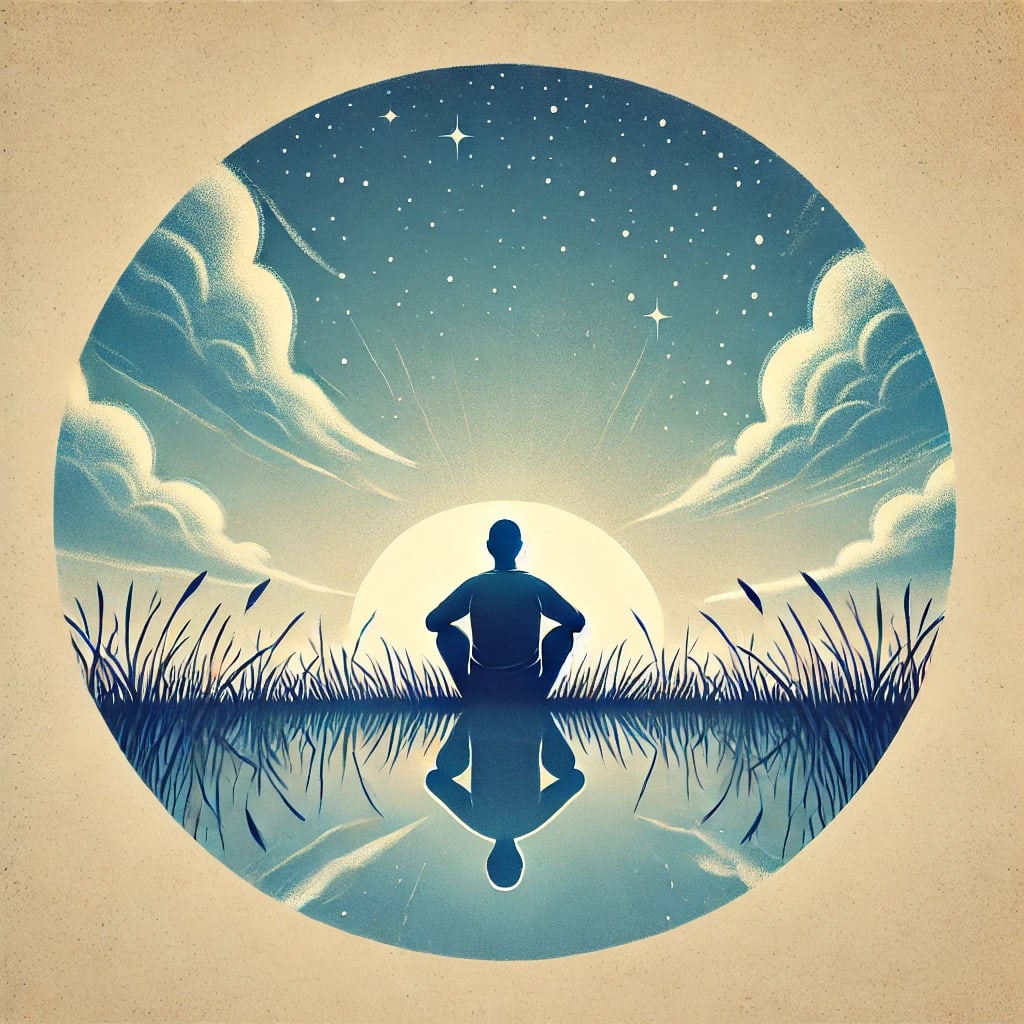
Imagine sitting in a quiet park, staring at the sky. No phone, no work, no distractions.
How long could you last before checking your messages, scrolling through social media, or feeling guilty for wasting time?
In today’s world, doing nothing feels wrong. We’re constantly told to be productive, hustle harder, and maximize every second.
But what if the secret to true creativity, problem-solving, and even success isn’t doing more—but doing less?
Science, history, and philosophy suggest that idleness is not laziness—it’s a lost art.
Let’s explore why slowing down, embracing stillness, and giving yourself permission to do nothing can make you more creative, productive, and fulfilled.
1. The Science of Doing Nothing: Why Your Brain Needs Stillness
Most people think that when we’re doing nothing, our brain is inactive. That’s completely false.
🧠 The Default Mode Network (DMN): Your Brain’s Creativity Engine
When you’re resting—not actively working—your brain shifts into DMN mode.
This is when deep insights, creativity, and problem-solving happen.
Studies show that great ideas come when people are relaxed—like in the shower, during walks, or staring at the ceiling.
💡 Example: Albert Einstein credited his greatest insights to daydreaming and long periods of relaxed thinking.
🚀 Lesson? Your brain needs downtime to make creative connections.
2. History’s Greatest Thinkers Used Idleness to Their Advantage
The world’s most successful minds intentionally embraced stillness:
🔹 Leonardo da Vinci spent hours staring at nature, waiting for inspiration to strike.
🔹 Nikola Tesla would take daily walks with no distractions, where he imagined entire inventions in his head.
🔹 J.K. Rowling came up with Harry Potter while daydreaming on a delayed train.
💡 Lesson? If the greatest thinkers used stillness to fuel creativity, why are we so afraid of being idle?
3. Why Modern Life is Killing Our Ability to Think Deeply
Today, we are drowning in constant distractions:
📱 Social media notifications.
📧 Endless emails and messages.
📺 Non-stop entertainment and noise.
We’ve trained our brains to always be engaged—but at the cost of deep thinking and true creativity.
🔹 Fact: The average person checks their phone 144 times per day.
🔹 Fact: People now struggle to be alone with their thoughts for more than 6 minutes before reaching for a distraction.
🔹 Fact: Overstimulation kills focus and creative thinking—your brain never gets the chance to connect ideas.
🚀 Lesson? If you never stop consuming, your brain never starts creating.
4. How to Reclaim the Art of Doing Nothing (Without Feeling Guilty)
✅ 1. Schedule "Idleness Time"
Set 10-15 minutes a day to just sit, think, and let your mind wander.
No phone, no music, no tasks—just being present.
✅ 2. Take Distraction-Free Walks
Walk without music, podcasts, or screens.
Let your mind process thoughts naturally.
✅ 3. Replace Social Media with “Mind Breaks”
Instead of scrolling, try staring out the window, doodling, or just sitting in silence.
✅ 4. Create a "No-Task Zone"
Pick a time each day where you don’t work, check emails, or do anything productive.
Allow your brain to breathe.
🚀 Lesson? Idleness isn’t wasted time—it’s fuel for deeper thinking.
Final Thoughts: The Power of Doing Less to Achieve More
Most people believe success comes from working harder, faster, and longer.
But in reality, success often comes from giving your mind space to think, reflect, and be creative.
🔥 Idleness isn’t laziness—it’s a superpower.
So, the next time you feel guilty for doing nothing, remember:
🧠 Your brain needs rest to think.
🚀 Your greatest ideas will come when you least expect them.
🌿 True creativity happens in stillness.
The world is rushing. Will you dare to slow down?
About the Creator
Ahmet Kıvanç Demirkıran
As a technology and innovation enthusiast, I aim to bring fresh perspectives to my readers, drawing from my experience.
Keep reading
More stories from Ahmet Kıvanç Demirkıran and writers in Longevity and other communities.
Day 4 of Quitting
If this is how sobriety feels, maybe it’s better to go through life a little buzzed… this, along with other hits like, I want to kill myself, I wish I was dead, and I’m going to throw myself off a bridge have been the only thoughts on rotation these past few days. I promise myself that if, in a month, I still feel like this (‘this’ meaning despondent, full of rage, and simultaneously numb) I can go back to smoking. Until mid-February though? Nicotine is off the table.
By sleepy drafts10 days ago in Longevity
Kratom Tea Guide for Beginners, Benefits, Effects, and How to Use It
Kratom tea is one of the most common ways people use kratom. Many users choose tea because it is easier to digest, faster to absorb, and simpler to control than powder or capsules. If you searched for kratom tea, you likely want to know what it does, how to make it, how strong it is, and whether it is better than other forms. This guide answers those questions in a clear and direct way.
By Jack Wilder2 days ago in Longevity


Comments (1)
Nothing can be good or bad. Good work! Well written