
The Algorithmic Tightrope: How Marginalized Creators Navigate Visibility for Survival and Vulnerability to Harassment
Visibility for Survival, Vulnerability for the Algorithm: The High-Stakes Digital Tightrope of Marginalized Creators

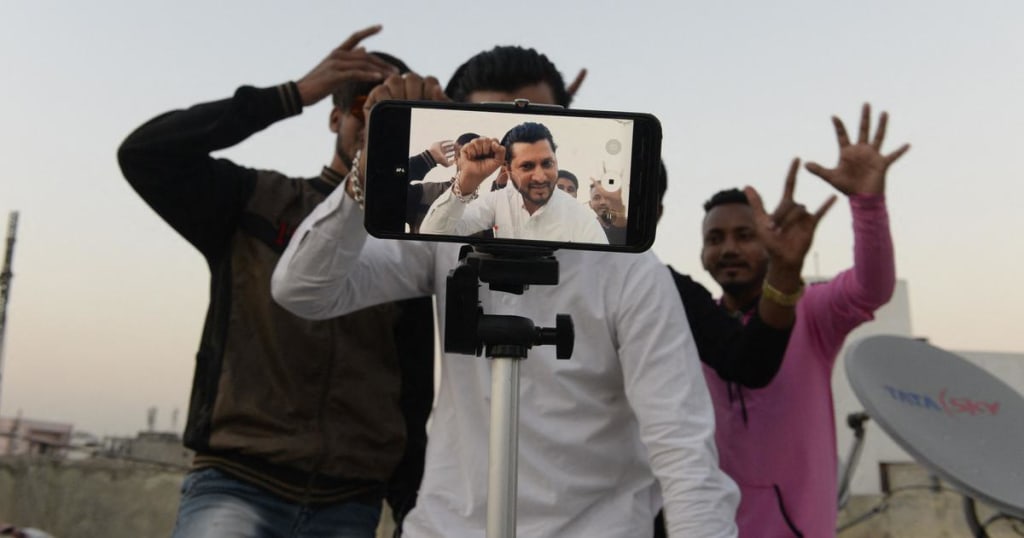
In the sprawling digital marketplace, visibility is currency. For marginalized creators – those identifying as LGBTQ+, BIPOC, disabled, or belonging to other systematically disadvantaged groups – this visibility isn't just about fame; it's often a critical lifeline for income, community building, and amplifying vital, historically silenced narratives. However, the very platforms designed to grant this visibility frequently force them onto a perilous algorithmic tightrope. To survive and thrive, they must perform vulnerability – sharing deeply personal stories – knowing it simultaneously makes them targets for disproportionate harassment, doxxing, and emotional exhaustion. This is the cruel paradox of the digital age for marginalized voices.
How They Navigate: Calculated Risks and Exhausting Strategies
Marginalized creators don't passively accept this tension; they become sophisticated strategists:
1. The Vulnerability Tax: Algorithms, particularly on visual platforms like Instagram, TikTok, and YouTube, often prioritize "authentic," emotionally resonant content. For marginalized creators, this frequently translates to sharing personal experiences of discrimination, mental health struggles, or intimate aspects of their identity. This isn't just sharing; it's a calculated performance demanded by the system for reach. A Black creator discussing racial injustice must often frame it through personal trauma to gain algorithmic traction.
2. Strategic Self-Censorship & Code-Switching: Knowing certain triggers invite avalanches of hate, creators meticulously self-censor. They might avoid specific keywords, blur identifiers, use alt accounts for sensitive topics, or shift content towards less politically charged (but potentially less authentic or impactful) subjects. Queer creators might avoid overt displays of affection; disabled creators might downplay their access needs.
3. Building Fortresses & Support Networks: This involves labor-intensive moderation: blocking keywords preemptively, employing moderators (if affordable), meticulously curating comment sections, and utilizing "close friends" or subscriber-only features. Off-platform, they build private communities on Discord or Patreon for safer discussion and rely heavily on peer support networks to manage the psychological toll.
4. Platforming as Shield (and Risk): Some leverage the visibility gained on large platforms to funnel audiences to owned platforms (newsletters, personal websites, co-op platforms) where they have more control. However, this often requires significant visibility first, forcing them back onto the algorithmic tightrope to build that initial audience.
Why This Happens: Algorithmic Bias and Platform Failure
This untenable situation stems from systemic issues:
1. Engagement-At-Any-Cost Algorithms: Platforms optimize for time-on-site and reactions (positive or negative). Controversial content, especially targeting marginalized groups, generates strong reactions. Algorithms, often trained on biased historical data, may inadvertently amplify hateful content or fail to recognize context-specific harassment common to marginalized creators.
2. Inadequate & Biased Moderation: Automated moderation tools frequently fail to understand nuance, cultural context, or coded hate speech, leading to the wrongful removal of marginalized creators' content while allowing harassment to flourish. Human moderators, often under-resourced and traumatized themselves, struggle with scale and implicit bias. Reporting harassment frequently feels futile.
3. Disproportionate Targeting: Marginalized creators are simply targeted more. Studies consistently show higher rates of online harassment based on race, gender identity, sexual orientation, and disability. Visibility amplifies this targeting, turning their very identity into a lightning rod for hate groups and trolls.
4. Visibility as Essential Survival: For many, content creation is a primary income source in a discriminatory traditional job market. It's also vital for finding community and challenging dominant narratives. Not being visible isn't a viable option, forcing them into the high-risk game.
The Future: Demanding Change and Building Alternatives
The status quo is unsustainable. Solutions require multi-pronged action:
1. Algorithmic Accountability & Transparency: Platforms must be forced (likely via regulation) to audit algorithms for disparate impacts on marginalized creators and disclose how content is amplified. Algorithms need redesigning to prioritize safety and quality engagement over sheer volume and controversy.
2. Radically Improved Moderation: Investment in culturally competent human moderators, development of AI that understands context and nuance, transparent appeals processes, and proactive protection for high-risk creators are non-negotiable.
3. Creator Control & Ownership: Platforms must grant creators far more granular control over their spaces (comment filtering, blocking tools, monetization options without demonetization fears). Supporting the growth of creator-owned platforms and co-ops (like Spoutible, Ghost) offers potential escape routes.
4. Shifting the Burden: The emotional and practical labor of safety cannot remain solely on creators. Platforms must be held legally and financially accountable for the harm facilitated on their infrastructure.
A Creator's Voice:
"It's exhausting. I have to constantly decide: Is sharing this story of my trans experience worth the inevitable wave of hate comments and death threats? But if I don't share, my reach dies, my Patreon suffers, and my community misses out. The algorithm demands my trauma, and the trolls weaponize it. I feel like I'm always one misstep away from falling." - Jamie R. (Non-binary Digital Artist)
Conclusion
Marginalized creators walk an algorithmic tightrope not of their making. They perform vulnerability as the price of visibility, a visibility essential for their survival, voice, and community. The platforms they depend on, however, often amplify their exposure to harm through biased systems and inadequate protections. Navigating this requires immense strategic labor, emotional resilience, and constant risk assessment. True progress demands moving beyond expecting creators to simply endure or adapt. It necessitates fundamental changes to platform design, algorithmic accountability, robust safety measures, and a societal commitment to valuing their voices without demanding their suffering as the entry fee. Until then, the tightrope remains perilously thin.
________________________________________
FAQ
1. Q: Can't marginalized creators just ignore the hate or block trolls?
A: While blocking is a tool, the scale is often overwhelming. Harassers create new accounts constantly. Ignoring persistent threats and dehumanizing comments takes a severe psychological toll and doesn't address the systemic amplification of such content. The volume and viciousness are often unmanageable through individual action alone.
2. Q: Do algorithms intentionally target marginalized creators?
A: Not usually by explicit design. The issue is bias embedded within the systems. Algorithms trained on historical data reflecting societal inequalities learn to associate controversy (which often targets marginalized groups) with engagement. They also struggle with context, failing to distinguish between harmful speech and marginalized creators discussing their experiences. The outcome is disparate impact, even without malicious intent in the code.
3. Q: Why don't creators just move to safer platforms?
A: Critical mass matters. Established platforms (YouTube, Instagram, TikTok) have the vast majority of users and monetization potential. Building an audience from scratch on a smaller, potentially safer platform is incredibly difficult and time-consuming, especially when livelihood depends on it. The network effect keeps creators locked into the dominant, often hostile, ecosystems.
4. Q: What role do audiences play?
A: Supportive audiences are crucial! Actively reporting abuse (correctly), engaging positively, supporting creators through subscriptions or donations, and calling out harassment in comments can make a tangible difference. Allyship involves sharing the burden of creating safer spaces and demanding better from platforms.
5. Q: Is there any positive movement happening?
A: Yes, but slowly. Increased media scrutiny, advocacy groups (like UltraViolet, Color Of Change), and creator collectives are pushing platforms harder. Some platforms are testing improved moderation tools and safety features. Regulatory pressure (like the EU's Digital Services Act) is increasing. Creator-owned platforms are emerging. However, systemic change requires sustained pressure and a fundamental shift in platform priorities away from pure engagement metrics.
About the Creator
Jacky Kapadia
Driven by a passion for digital innovation, I am a social media influencer & digital marketer with a talent for simplifying the complexities of the digital world. Let’s connect & explore the future together—follow me on LinkedIn And Medium
Keep reading
More stories from Jacky Kapadia and writers in Longevity and other communities.
Green Tea Uncovered: Science-Backed Benefits, Hidden Limits & What Big Brands Don’t Tell You
For centuries, green tea has been revered in traditional medicine, but modern science is now uncovering the mechanisms behind its health effects—and its boundaries. While not a miracle cure, evidence shows it can be a valuable ally for cognitive function, metabolic health, and longevity when used strategically.
By Jacky Kapadia10 months ago in Longevity
Himalayan Salt Therapy Benefits for Women’s Health: A Modern Wellness Perspective
The health and wellness of women today is scrutinized not from a one-sided perspective. It is of a multidimensional character - it is concerned with the balance of hormones, the regulation of the nervous system, the quality of sleep, skin health, the strength of the respiratory system, and emotional state. As more people become interested in being inclusive towards integrative approaches of wellness, the approach of Himalayan salt therapy has not received credit as a miracle treatment but as a type of environment-based treatment, which fits in the objectives of holistic health results.
By David Smith7 days ago in Longevity




Comments
There are no comments for this story
Be the first to respond and start the conversation.