science
The science of staying young, healthy, and in-shape.
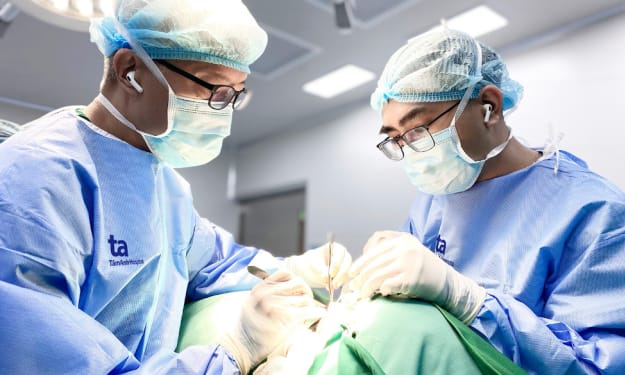
Stroke does not spare anyone, including children
Associate Professor, Dr. Mai Duy Ton, Director of the Stroke Center, Bach Mai Hospital, said: The center has treated many young stroke patients, including children under 15 years old. For example, in the case of a 9-year-old patient who was at school, he suddenly felt weak and numb on the left side of his body and was taken to the provincial hospital for emergency treatment. Computed tomography results did not detect damage, but magnetic resonance imaging results detected cerebral infarction.
By Ken Daklak2 years ago in Longevity
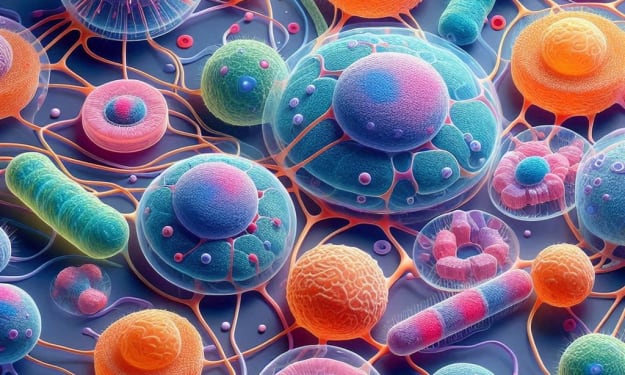
The City Within: Unveiling the Secrets of Cellular Communication. AI-Generated.
The City Within: Unveiling the Secrets of Cellular Communication Imagine a bustling city with heavily guarded gates. Only authorized goods and people are allowed in, ensuring a smooth flow and order within. Your body functions similarly, but on a microscopic scale. The cell membrane acts as the fortified wall, and specialized proteins play the role of both gatekeepers and hidden passageways, controlling the movement of essential molecules in and out of your cells.
By suren arju2 years ago in Longevity
Why Stress Reduction Is The Wrong Goal For Leaders Wanting Peak Performance
Without a Question, the Single Largest Problem that Leaders have in today's world is Burnout. 80% of Employees have it, and the Statistics are Not Getting Better.
By Dr. Cody Dakota Wooten, DFM, DHM, DAS (hc)2 years ago in Longevity
Why we say “OK”
There’s a two-letter word that we hear everywhere. OK. Okay. OK, are you OK Annie? OK OK OK, OK ladies… OK might be the most recognizable word on the planet. OK! OK. It’s essential to how we communicate with each other and even with our technology. Alexa, turn off the living room light. OK. You probably use it every day – even if you don’t notice it. But what does OK actually mean? And where did it come from? Hm. OK. Okay then. OK, thank you. OK actually traces back to an 1830s fad of intentionally misspelling abbreviations.
By Imsatisfyingwith2 years ago in Longevity
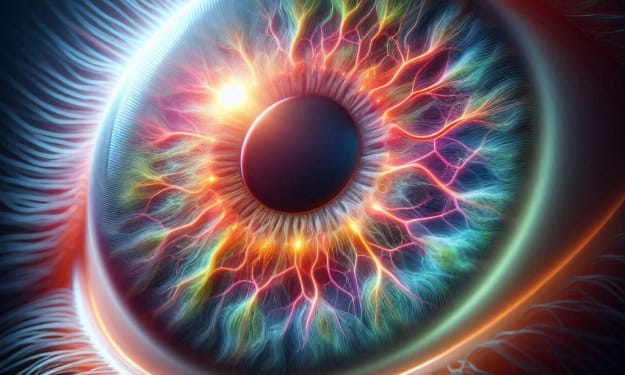
Seeing the Light Again: The Race to Repair a Damaged Retina. AI-Generated.
Seeing the Light Again: The Race to Repair a Damaged Retina Imagine a world where a single tear or detachment in the retina, the light-sensitive layer at the back of your eye, wouldn't spell vision loss. Millions of people globally grapple with retinal degeneration, a collection of diseases that damage this vital structure, hindering their ability to see the world around them. But a revolution is brewing in the realm of regenerative medicine, offering a glimmer of hope for retinal repair.
By suren arju2 years ago in Longevity
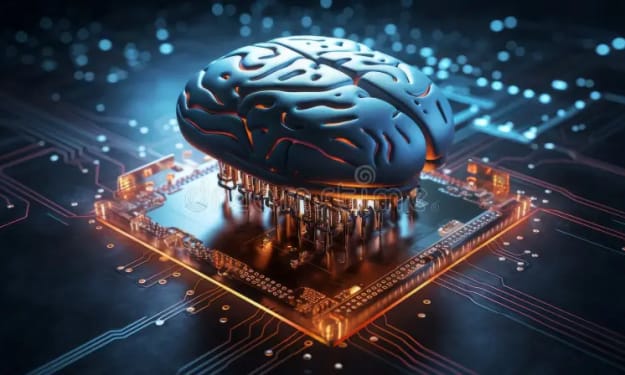
Unlocking the Mysteries of the Brain: An Exclusive Interview with Dr. Newton Howard
Dr. Newton Howard is a luminary in brain science whose journey is marked by relentless curiosity and groundbreaking achievements. Beginning with a profound passion for mathematics, his work has significantly contributed to the fields of neuroscience, cognitive enhancement, and technology across multiple continents.
By Mojalefa Mokoena2 years ago in Longevity
Understanding Vitamin D: The Science Behind Our Genetic Differences
The synthesis of vitamin D and its impact on health varies significantly among individuals. This variation is influenced by genetics, skin pigmentation, and ancestral origins. Understanding these differences is crucial for anyone interested in vitamin D and its role in health.
By Mojalefa Mokoena2 years ago in Longevity