beauty
Beauty products, advice, influencers, and more in the health and wellness space.
How to Use Honey for Blood Sugar Control
How to Use Honey for Blood Sugar: A Comprehensive Guide for 2024 In recent years, natural sweeteners have gained popularity among those who are mindful of their health and dietary choices. Among these, honey stands out not only for its rich taste but also for its potential health benefits. If you’re wondering how to use honey for blood sugar, you’re not alone. Many individuals are interested in exploring natural alternatives to refined sugars and are curious about honey's impact on their glucose levels. This comprehensive guide will walk you through everything you need to know about how to use honey for blood sugar management in 2024.
By Mohamed shaabout a year ago in Longevity
HOW INTERMITTENT FASTING AIDS WEIGHT LOSS
INTRODUCTION Intermittent fasting has emerged as a powerful tool in the quest for weight loss, offering a straight forward and sustainable approach to shedding pounds . This method is not just about cutting calories ; it's about optimizing the timing of your meals to maximize fat burning . Whether you're new to intermittent fasting or looking to refine your strategy , understanding the best schedules can make your weight loss journey more effective and effortless . In this comprehensive guide , we will delve into the most popular intermittent fasting schedules , their benefits , and practical help you achieve your weight loss goals.
By Fit and Fabulous about a year ago in Longevity
Diabetes and obesity can damage the liver to the point of failure – but few people know their risk of developing liver disease.
Metabolic dysfunction-associated steatotic liver disease, or MASLD, is an umbrella term describing conditions related to a buildup of fat in the liver. Formerly known as nonalcoholic fatty liver disease, this condition affects 1 in 4 people worldwide. Among those with type 2 diabetes, insulin resistance, obesity or all three, the prevalence of MASLD increases to 3 in 4 people.
By Viona Amindaabout a year ago in Longevity
10 Mindfulness Apps That Can Transform Your Daily Routine. AI-Generated.
In today's fast-paced world, finding moments of peace and tranquility can be a challenge. However, with the rise of mindfulness apps, integrating mindfulness into your daily routine has become more accessible than ever. These apps offer a variety of tools and techniques to help you cultivate mindfulness, reduce stress, and improve your overall well-being. In this article, we will explore ten mindfulness apps that can transform your daily routine, featuring real-life examples to inspire and engage you.
By Svitlana Sabout a year ago in Longevity
Why does exercise reduce the risk of Alzheimer's disease?
Do you suffer from Alzheimer's disease? Regular exercise and staying Physical activity can help protect the structure and function of our brains as we age, meaning it can reduce the chances of developing certain neurodegenerative conditions, such as Alzheimer's disease.
By reda hamoudaabout a year ago in Longevity
Unlocking Hidden Benefits: The Surprising Brain Health Advantages of Creatine. AI-Generated.
When people think of creatine, they typically envision a supplement aimed at boosting muscle growth and enhancing athletic performance. But recent research is shedding light on a lesser-known benefit of this popular supplement: its potential positive effects on brain health. If you're used to associating creatine solely with muscle-building, you might be surprised to learn that it also offers intriguing benefits for cognitive function and overall brain well-being.
By Future of Resilience about a year ago in Longevity
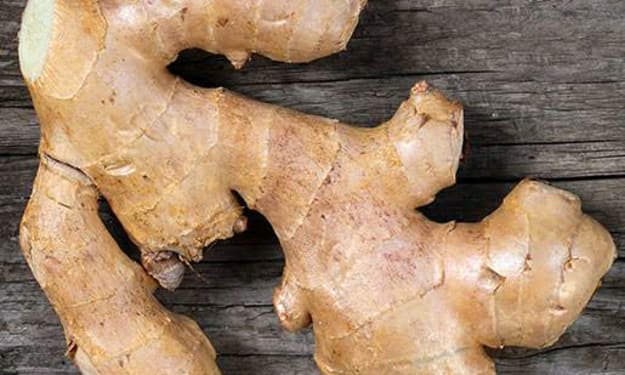
Benefits of Ginger
Ginger has been used by people for thousands of years to treat illnesses and to flavor food with an earthy, spicy flavor. Ginger is a plant that comes from Asia and is in the Zingiberaceae family. It is usually eaten as its root or stem. It is also an old herbal remedy that has been used to treat a wide range of ailments, such as arthritis, diabetes, coughs, colds, and nausea. In traditional medicine, ginger is consumed in a variety of ways, including as ginger tea. Ginger tea can be made by boiling the peeled root in milk or water. Ginger tea's health benefits and potential drawbacks are discussed in this article. It also includes a straightforward recipe that you can use to make it yourself. Use Pinterest to share Together, Mart Sans and Stocksy How does ginger tea work? One of the most widely used ingredients, ginger is a spice and medicinal plant. Coughs and the flu are just a few of the ailments that folk medicine often treats. It has historically been utilized in a variety of ways, including: fresh pickled powdered dried candied preserved crystalized In a similar vein, it can be obtained in a variety of forms, such as: capsules tinctures extracts tablets tea Ginger tea is made by boiling the peeled root in milk or water, as previously mentioned. About 1–4 percent of the ginger root is made up of the oils and compounds that give ginger its distinctive aroma and spicy flavor. Ginger's main bioactive components, gingerols and shogaolsTrusted Source, are two of these compounds. This indicates that they are responsible for the majority of the health advantages of ginger and ginger tea. Some of the known and potential advantages of ginger tea are listed below. SUMMARY By bringing the root to a boil in water, you can make ginger tea. The flavor is sharp and spicy. Gingerols and shogaols, which are responsible for many of its health benefits, are abundant in it.
By Blessing Ezuoke about a year ago in Longevity