
Does coffee REALLY give you energy? The surprising truth about caffeine ☕
Stimulant or energy zapper?


As someone who relies on their morning cup of coffee to feel awake, I was always under the assumption that caffeine directly translates to more energy. However, after doing some deep research on this topic, I discovered that the relationship between caffeine and energy is much more complex than I originally thought.
While caffeine is scientifically classified as a stimulant, how it affects your energy levels depends on a number of individual factors. Things like caffeine sensitivity, timing of consumption, amount ingested, and lifestyle habits all play a role in determining whether that cup of coffee will truly boost your energy or end up backfiring.
How caffeine works in the body
To understand caffeine's complex relationship with energy, it's important to first look at how it works in the body on a biological level. When you consume caffeine, it acts as an antagonist to adenosine receptors in the brain. Adenosine is a neurotransmitter that promotes drowsiness and sleepiness. By blocking those receptors, caffeine prevents adenosine from binding and having its usual sedative effects.

This antagonism of adenosine receptors is what leads to the feelings of heightened alertness and wakefulness commonly associated with caffeine. However, research has found individual sensitivity to caffeine's effects can vary tremendously. For some people, even a single cup of coffee is enough to disrupt nighttime sleep through anxiety or restlessness.
Too much of a good thing
While caffeine in moderation provides a nice boost, consuming large amounts on a regular basis actually diminishes its stimulant properties through tolerance buildup. Research has shown that once you regularly ingest over 500mg per day (about 5 cups of coffee), caffeine is no longer as effective at providing energy. In fact, for those who develop a high tolerance, caffeine's effects may reverse and start to induce fatigue instead of wakefulness.
Timing is another critical factor. Drinking coffee later in the day disrupts circadian rhythms and prevents the relaxation response needed for restful sleep. And since sleep is so integral to feeling energized during waking hours, impaired sleep from late-day caffeine ultimately zaps alertness and leaves you feeling drained.
More than just caffeine
While the caffeine content draws people to drinks like coffee or energy drinks, these beverages contain other attributes worth considering as well. Coffee provides antioxidants like chlorogenic acid that may offer additional nootropic benefits beyond just caffeine's wakefulness effects.
On the other hand, many energy drinks are loaded with sugar, which gives a short-lived rush but is soon followed by a crash brought on by fluctuating blood sugar levels. The "energy" from sugar is not sustainable or conducive to sustained focus and drive like what high-quality sources of natural sustained energy can provide.
Natural energy maximizers
Rather than relying on caffeine alone or sugary energy drinks, research shows some natural lifestyle habits and foods can do an even better job of optimizing your circulatory and mitochondrial energy levels throughout the day:
Staying well hydrated with water supports blood flow and oxygen delivery to muscles and organs
Eating plenty of nutrient-dense whole foods like vegetables, legumes and healthy fats provide slow-burning complex carbs and protein for sustained fuel
Getting quality sleep is number one for feeling recharged since it allows the body and brain to optimize energy stores and cellular repair overnight
Exercising regularly has profound benefits for mitochondrial biogenesis and increased capillary density for improved delivery of oxygen and nutrients where they're needed most

Minimizing stress through activities like yoga and meditation supports healthy cortisol rhythms and reduces fatigue
Practice gratitude - Research shows an appreciative mindset boosts positivity and energy levels compared to focusing on worries
While a cup of coffee here and there can possibly provide a temporary lift when wisely timed, excessive reliance on caffeine alone is not a sustainable energy strategy and may backfire more often than not. Focusing on whole-food nutrition, active living, stress resilience and plenty of rest allows our innate physiological energy pathways to truly thrive.
About the Creator
Ojo
🔍 I explore anything that matters—because the best discoveries don’t fit into a box...
Met Office Forecasts Dry Weather for Sindh
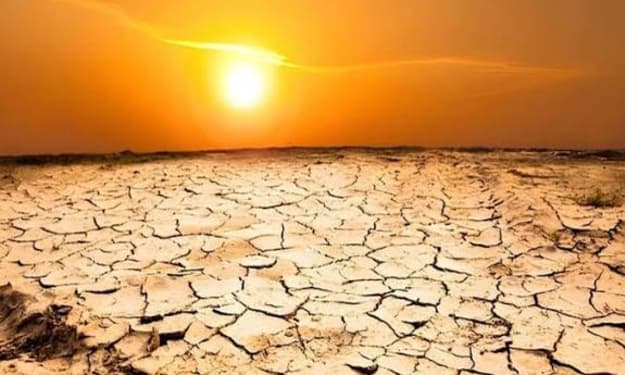
The Pakistan Meteorological Department has issued a forecast indicating that Sindh province is expected to experience a prolonged period of dry weather over the coming weeks. Meteorologists say the region will see little to no rainfall, with temperatures remaining above seasonal averages, raising concerns about agriculture, water resources, and public health. According to the Met Office, a high-pressure system over the Arabian Sea and the Indian subcontinent is likely to dominate weather patterns in Sindh for the next fortnight. This atmospheric configuration inhibits cloud formation, leading to clear skies and minimal precipitation. Forecasts predict daytime temperatures in major cities, including Karachi and Hyderabad, to hover between 28°C and 34°C, slightly above the long-term average for this period. Nighttime temperatures are expected to remain mild, ranging from 18°C to 22°C. The dry spell comes at a critical time for the agricultural sector. Sindh is a major contributor to Pakistan’s wheat, sugarcane, and rice production. Farmers are being advised to monitor soil moisture levels carefully and consider supplemental irrigation for crops at sensitive growth stages. Prolonged dry conditions can affect germination, yield, and quality, particularly for wheat crops that rely on moderate rainfall in the final stages before harvest. Water resource management is also expected to become a key challenge. Reservoirs and canals in Sindh, which depend on upstream flows from the Indus River system, are already operating at variable levels due to reduced inflows and increased water demand. Local authorities are monitoring water distribution closely, emphasizing conservation measures and urging residents to avoid excessive usage. In some districts, water rationing plans may be activated if the dry period persists. Public health officials have cautioned about potential heat-related risks. Although the current temperatures are not extreme, prolonged dry conditions can exacerbate health issues, particularly for vulnerable populations such as the elderly, children, and people with preexisting medical conditions. Heat stress, dehydration, and respiratory issues may become more common if residents do not take appropriate precautions. Health authorities recommend staying hydrated, avoiding prolonged exposure to the sun during peak hours, and ensuring access to cool environments. The Met Office also noted that dust storms and haze could occur in some areas due to the dry conditions combined with occasional strong winds. These phenomena can reduce visibility and impact road traffic, aviation, and outdoor activities. Residents are advised to take safety precautions, particularly when traveling, and to follow local advisories regarding dust and air quality. Economists have warned that the dry spell could have indirect effects on local markets. Reduced crop output may drive up food prices, especially for wheat, rice, and vegetables, affecting household budgets and contributing to inflationary pressures. Traders and suppliers are being advised to monitor market conditions and plan accordingly to avoid shortages or sudden price hikes. Despite the dry weather, meteorologists have noted that this pattern is part of a natural seasonal variation. Sindh typically experiences dry periods during the pre-monsoon and post-winter seasons, and occasional heat waves are not unusual. However, experts also emphasize that climate change may be altering rainfall patterns, leading to longer dry spells and more unpredictable weather events. Continuous monitoring and early warning systems are essential to mitigate risks to agriculture, water supplies, and public health. Authorities in Sindh have urged residents and local businesses to remain vigilant. Farmers should adopt efficient irrigation practices, municipal agencies should ensure water distribution networks function effectively, and the public should take measures to protect health and safety. Collaboration between government departments, meteorological agencies, and the community will be crucial in managing the impacts of this dry period. Looking ahead, the Met Office expects the dry spell to continue into late March, with little relief from rainfall until the onset of the pre-monsoon showers. While temperatures are likely to remain moderate, the persistence of dry weather underscores the need for careful planning and resource management in Sindh. Residents are encouraged to stay updated with official forecasts and advisories to minimize the effects of prolonged dry conditions on daily life and livelihoods.
By Fiaz Ahmed 2 days ago in Longevity
4 Surprising Truths About Nanoparticles In Your Soda
The Unseen World in Your Grocery Cart Imagine grabbing a can of soda or a packaged snack from your pantry. It's a simple, everyday act. Yet, hidden within that familiar fizz and sweetness is a technological frontier most of us never consider: the world of nanomaterials. Current research reveals that many of the foods and drinks we consume may contain engineered or unintentionally formed particles so small they are invisible to the naked eye. This article will explore four of the most surprising and impactful facts we are learning about nanotechnology in our food system, based on current research and analysis.
By The INFORMER7 days ago in Longevity
Pearl
1980 something. we all hung out at Pearl and you and i were nothing special, or so i thought. i mean we all danced, drenched in our own sweat, our own saline solution of fear, too many beers, shots, laughter, tears, fucks in the bathroom and i don't know when we began to be afraid. do you?
By ROCK aka Andrea Polla (Simmons)7 days ago in Fiction



Comments (2)
Thanks for sharing
Nice content