
Strengthen Your Feet: How to Prevent Foot Drop and Improve Stability
Learn the causes for foot drop and discover effective wobble board exercises for balance to protect your feet

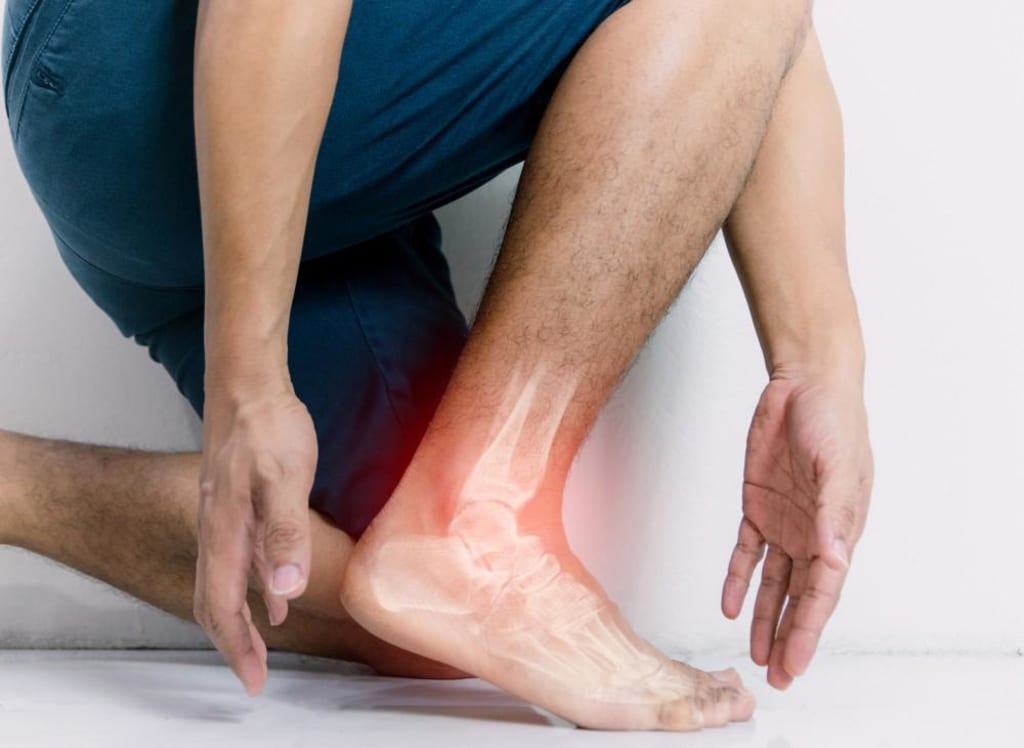
Foot drop can make walking, climbing stairs and even standing feel difficult. It occurs when the muscles that lift the front of your foot weaken. Understanding the causes for foot drop and taking early action is key to preventing falls and maintaining confidence in daily movement.
In this article, we’ll explore the main causes for foot drop and share wobble board exercises for balance and other strategies to strengthen your lower legs, improve stability and keep your feet healthy.
What Is Foot Drop?
Foot drop is not a disease it’s a symptom. When the muscles that lift the front of your foot weaken, your toes may drag on the ground while walking.
The causes for foot drop can vary, but the most common include:
Peroneal Nerve Compression: The peroneal nerve runs along the outside of the knee. Prolonged leg crossing, awkward sitting positions, or tight braces can compress this nerve, affecting your ability to lift your foot properly. Taking breaks from sitting and gentle stretches can help prevent this type of nerve compression.
Muscle Weakness: Inactivity or recovery from an injury can weaken the muscles.Strengthening exercises are essential to rebuild these muscles and improve nerve responsiveness.
Neurological Conditions: Conditions like stroke or other nerve disorders can interfere with signals from your brain to your foot muscles. Early detection and targeted strengthening exercises can help maintain mobility and prevent further complications.
Understanding these causes allows you to take proactive steps toward prevention and recovery.
Why Balance Matters
Balance is essential for every movement, from walking on uneven surfaces to climbing stairs. Poor balance can increase your risk of falls and slow recovery from injuries. Wobble board exercises for balance are particularly effective because they engage multiple systems at once:
Muscle Strength: They activate stable muscles in your ankles, calves, and legs.
Joint Stability: They help your ankles, knees and hips work together to maintain control.
Neural Coordination: They retrain your nervous system to respond quickly to shifts in position.
By practicing balance exercises regularly, you improve your ability to stabilize your foot and ankle, reduce wobbling and regain confidence in everyday activities.
Effective Wobble Board Exercises for Balance
Here are some exercises to strengthen your feet and lower legs safely:
1. Basic Balance Hold
Stand on the wobble board with feet shoulder-width apart, knees slightly bent, and arms out for support.
Hold for 30–60 seconds.
Benefit: Improves ankle strength and activates core stabilizers.
2. Single-Leg Challenge
Shift weight onto one foot while keeping the other lifted, alternating sides.
Hold 10–20 seconds per leg.
Benefit: Strengthens muscles used to lift your foot and challenges stability.
3. Mini Squats on the Board
Perform shallow squats while keeping your core engaged.
Repeat 8–12 times.
Benefit: Improves lower-leg strength and ankle control, reinforcing the muscles affected by foot drop.
4. Heel-to-Toe Rock
Rock forward onto your toes, then back onto your heels, repeating 10–15 times.
Benefit: Enhancing mobility and gait.
Safety Tips: Start near a wall or chair for support, move slowly and focus on controlled movements rather than speed. Stop if you experience sharp pain.
Supporting Foot and Ankle Mobility
In addition to wobble board exercises, mobility work helps reduce nerve compression and maintain flexibility:
Ankle Circles: Rotate ankles clockwise and counterclockwise
Calf Stretch: Lean into a wall to gently stretch your calves
Hamstring Stretch: Gentle seated or standing stretches to reduce tension
Incorporating these stretches into your routine ensures your muscles and nerves stay healthy, complementing your balance exercises.
Daily Habits to Protect Your Feet
Balance and strength aren’t limited to workouts. Small daily practices can make a big difference:
Stand on one leg while brushing your teeth or waiting in line
Walk on uneven surfaces, like grass or carpet
Flex and point your toes every hour if you sit for long periods
Engage your core during lifting, bending or reaching
These simple habits reinforce the benefits of wobble board exercises for balance while helping prevent foot drop from recurring.
Long-Term Prevention
Consistent attention to your feet and lower legs is key. Maintain foot health by:
Practicing balance and strengthening exercises regularly
Avoiding prolonged positions that compress the peroneal nerve
Wearing supportive footwear
Keeping your lower-leg muscles active and mobile
Even short and daily sessions are more effective than long workouts. Over time, your feet will feel stronger and more stable
Final Thoughts
Foot drop can be challenging, but understanding the causes for foot drop and committing to regular wobble board exercises for balance can make a significant difference. By combining targeted exercises you can protect your feet and improve stability in your walking and standing.
Start gradually, stay consistent, and integrate these exercises into daily life your feet, ankles and overall balance will thank you.
About the Creator
AhmedFitLife
Helping You Reclaim Balance, Energy & Focus Naturally
Hi, I’m Ahmed, Discover Neuro-Balance Therapy! 🌿 Reduce stress, boost focus, and restore balance with this easy, guided tool. Feel better, naturally: Neuro-Balance Therapy
Keep reading
More stories from AhmedFitLife and writers in Longevity and other communities.
Day 4 of Quitting
If this is how sobriety feels, maybe it’s better to go through life a little buzzed… this, along with other hits like, I want to kill myself, I wish I was dead, and I’m going to throw myself off a bridge have been the only thoughts on rotation these past few days. I promise myself that if, in a month, I still feel like this (‘this’ meaning despondent, full of rage, and simultaneously numb) I can go back to smoking. Until mid-February though? Nicotine is off the table.
By sleepy drafts12 days ago in Longevity
Insulation Market Size and Forecast 2025–2033
Introduction The global insulation market is entering a decade of consistent and resilient expansion as governments, industries, and consumers increasingly prioritize energy efficiency, environmental sustainability, and long-term cost savings. According to Renub Research, the Insulation Market is expected to reach US$ 125.79 billion by 2033, up from US$ 68.65 billion in 2024, growing at a compound annual growth rate (CAGR) of 6.96% during 2025–2033. This upward trajectory reflects rising construction activity, tightening energy regulations, and a worldwide shift toward sustainable building materials across residential, commercial, and industrial applications.
By Marthan Sir5 days ago in Longevity



Comments
There are no comments for this story
Be the first to respond and start the conversation.