
Sleepless in a 24/7 World
Shocking Science Reveals Why Lack of Rest Is Harming Us—Here’s How to Fight Back


Our world never stops. Screens glow all night. Work buzzes without end. In this 24/7 chaos, we’re losing something precious: sleep. Our brains and bodies crave rest, but we’re starving them. Shocking new science shows this Great Sleep Crisis is hurting our health, our minds, even our future. This isn’t tomorrow’s problem—it’s here, stealing our nights. Let’s uncover why we’re so tired and how to fight back.
Sleep Slipping Away: A Growing Problem
Sleep used to be sacred. Now, it’s a battle. Adults need 7-9 hours of sleep each night, but one in three gets less than six, says the CDC. Phones ping. Netflix tempts. Jobs demand we’re always “on.” In the U.S., 35% of people are chronically sleep-deprived, and it’s just as bad worldwide. We’re running on fumes.
This isn’t just about yawning. Sleep heals us—body and mind. Without it, we break down. The World Health Organization ties poor sleep to stress, weight gain, even serious illness. We’re robbing ourselves of rest, and the damage is piling up fast.

Minds in Trouble: What Sleep Loss Does to Our Brains
Sleep is like a reset button for your brain. It clears junk, stores memories, calms emotions. Skip it, and things go wrong. A 2024 Nature Neuroscience study found one bad night messes with focus and choices. Keep missing sleep, and it’s worse—a 2025 Journal of Neurology report says it raises dementia risk by 33%.
Mental health takes a hit, too. No sleep fuels anxiety and sadness. It’s a trap: stress keeps you awake, and no sleep makes stress worse. Scientists say sleep deprivation acts like being drunk—slow reactions, bad decisions, wild moods. Our brains are begging for rest in a world that won’t let them pause.
Bodies Breaking Down: The Physical Cost
Your body needs sleep to stay strong. Without it, defenses crumble. One sleepless night cuts your immune system’s power in half, making colds and flu easier to catch. Your heart suffers—a 2023 study links poor sleep to a 48% higher chance of heart problems. Even your waistline feels it: less sleep messes with hunger, pushing you toward junk food.
The scariest part? Sleep loss steals years. A 2025 The Lancet study says sleeping under six hours a night shortens your life. Your body, starved of rest, wears out—cell by cell. In our always-on world, we’re trading health for hustle, and it’s costing us dearly.

Why We Can’t Rest: The 24/7 Trap
What’s stealing our sleep? Our 24/7 lives. Phones glow with texts and apps, keeping us wired. Blue light from screens blocks melatonin, the chemical that says, “Time to sleep.” Work’s no help—62% of workers feel pressured to answer emails at night, says a 2024 Global Workplace Report. Remote jobs blur lines between work and home.
Society cheers staying up. “Sleep when you’re dead,” people joke. Social media shows perfect lives that leave no room for rest. Coffee fuels our days; stress haunts our nights. Sleep’s become a luxury we can’t afford—but we can’t afford to lose it either.
A Wider Ripple: Society Feels the Pain
This sleep crisis hurts more than just us. Tired drivers cause over 300,000 crashes a year in the U.S., says the National Highway Traffic Safety Administration. Sleepy workers make mistakes—70% more errors, costing billions. Grumpy moods strain families and friendships.
Kids suffer, too. Teens, glued to screens, get less sleep than ever—60% fall short, says a 2024 Pediatrics study. This sparks stress, bad grades, weak coping skills. From roads to offices to homes, the sleep crisis shakes everything, leaving us all a little broken.
Fighting for Rest: How to Win Back Sleep
We can beat this. Small changes, backed by science, light the way. Start with a bedtime routine. Go to bed at the same time every night. Dim lights early—screens off an hour before bed. A 2025 Sleep Medicine study says this adds 45 minutes of sleep. No phones in the bedroom; let your brain unwind.

Work needs to change, too. Bosses should ban late emails and offer flexible hours. Countries like Finland show shorter workweeks boost sleep and work better. Use tech smartly—apps that track sleep or play soft sounds help. Blue-light glasses can block screen harm.
You can act now. Swap coffee for chamomile tea at night. Try 10 minutes of deep breathing to calm stress—it works, studies say. Push for better rules, like later school start times. Share sleep tips on X to spread the word. Rest is yours to reclaim.
A Call to Wake Up—By Sleeping More
This Great Sleep Crisis shows our world’s flaws. Always-on screens, endless work, and a culture that scorns rest are starving us. Our brains falter. Our bodies weaken. Yet, this is our chance to change. Sleep isn’t lazy—it’s life-giving.
We’re linked—to our minds, our health, our world. Every night we rest, we heal. Every hour we sleep, we grow stronger. Turn off the phone. Say no to hustle. Embrace sleep. Let’s start tonight, before this crisis steals more than our dreams.
About the Creator
Umar Amin
We sharing our knowledge to you.
The impact of sleep on our mental state
Introduction Sleep is a critical pillar of our daily lives, yet it’s often treated as an afterthought. While comfort and personal preference matter, the idea that we should just sleep “whenever and however” is a trap. To truly function at your peak, you need more than just rest — you need a disciplined strategy. It sounds harsh and at first, if you are used to staying up all night and not paying attention to your mental and physical health, it might seem impossible. However, great things do require some small sacrifices, so let us begin with the three tips.
By Charilaos Spanoudis6 days ago in Longevity
Met Office Forecasts Dry Weather for Sindh
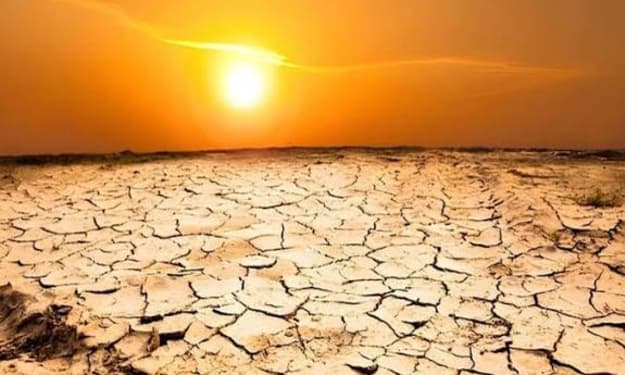
The Pakistan Meteorological Department has issued a forecast indicating that Sindh province is expected to experience a prolonged period of dry weather over the coming weeks. Meteorologists say the region will see little to no rainfall, with temperatures remaining above seasonal averages, raising concerns about agriculture, water resources, and public health. According to the Met Office, a high-pressure system over the Arabian Sea and the Indian subcontinent is likely to dominate weather patterns in Sindh for the next fortnight. This atmospheric configuration inhibits cloud formation, leading to clear skies and minimal precipitation. Forecasts predict daytime temperatures in major cities, including Karachi and Hyderabad, to hover between 28°C and 34°C, slightly above the long-term average for this period. Nighttime temperatures are expected to remain mild, ranging from 18°C to 22°C. The dry spell comes at a critical time for the agricultural sector. Sindh is a major contributor to Pakistan’s wheat, sugarcane, and rice production. Farmers are being advised to monitor soil moisture levels carefully and consider supplemental irrigation for crops at sensitive growth stages. Prolonged dry conditions can affect germination, yield, and quality, particularly for wheat crops that rely on moderate rainfall in the final stages before harvest. Water resource management is also expected to become a key challenge. Reservoirs and canals in Sindh, which depend on upstream flows from the Indus River system, are already operating at variable levels due to reduced inflows and increased water demand. Local authorities are monitoring water distribution closely, emphasizing conservation measures and urging residents to avoid excessive usage. In some districts, water rationing plans may be activated if the dry period persists. Public health officials have cautioned about potential heat-related risks. Although the current temperatures are not extreme, prolonged dry conditions can exacerbate health issues, particularly for vulnerable populations such as the elderly, children, and people with preexisting medical conditions. Heat stress, dehydration, and respiratory issues may become more common if residents do not take appropriate precautions. Health authorities recommend staying hydrated, avoiding prolonged exposure to the sun during peak hours, and ensuring access to cool environments. The Met Office also noted that dust storms and haze could occur in some areas due to the dry conditions combined with occasional strong winds. These phenomena can reduce visibility and impact road traffic, aviation, and outdoor activities. Residents are advised to take safety precautions, particularly when traveling, and to follow local advisories regarding dust and air quality. Economists have warned that the dry spell could have indirect effects on local markets. Reduced crop output may drive up food prices, especially for wheat, rice, and vegetables, affecting household budgets and contributing to inflationary pressures. Traders and suppliers are being advised to monitor market conditions and plan accordingly to avoid shortages or sudden price hikes. Despite the dry weather, meteorologists have noted that this pattern is part of a natural seasonal variation. Sindh typically experiences dry periods during the pre-monsoon and post-winter seasons, and occasional heat waves are not unusual. However, experts also emphasize that climate change may be altering rainfall patterns, leading to longer dry spells and more unpredictable weather events. Continuous monitoring and early warning systems are essential to mitigate risks to agriculture, water supplies, and public health. Authorities in Sindh have urged residents and local businesses to remain vigilant. Farmers should adopt efficient irrigation practices, municipal agencies should ensure water distribution networks function effectively, and the public should take measures to protect health and safety. Collaboration between government departments, meteorological agencies, and the community will be crucial in managing the impacts of this dry period. Looking ahead, the Met Office expects the dry spell to continue into late March, with little relief from rainfall until the onset of the pre-monsoon showers. While temperatures are likely to remain moderate, the persistence of dry weather underscores the need for careful planning and resource management in Sindh. Residents are encouraged to stay updated with official forecasts and advisories to minimize the effects of prolonged dry conditions on daily life and livelihoods.
By Fiaz Ahmed 2 days ago in Longevity



Comments
There are no comments for this story
Be the first to respond and start the conversation.