

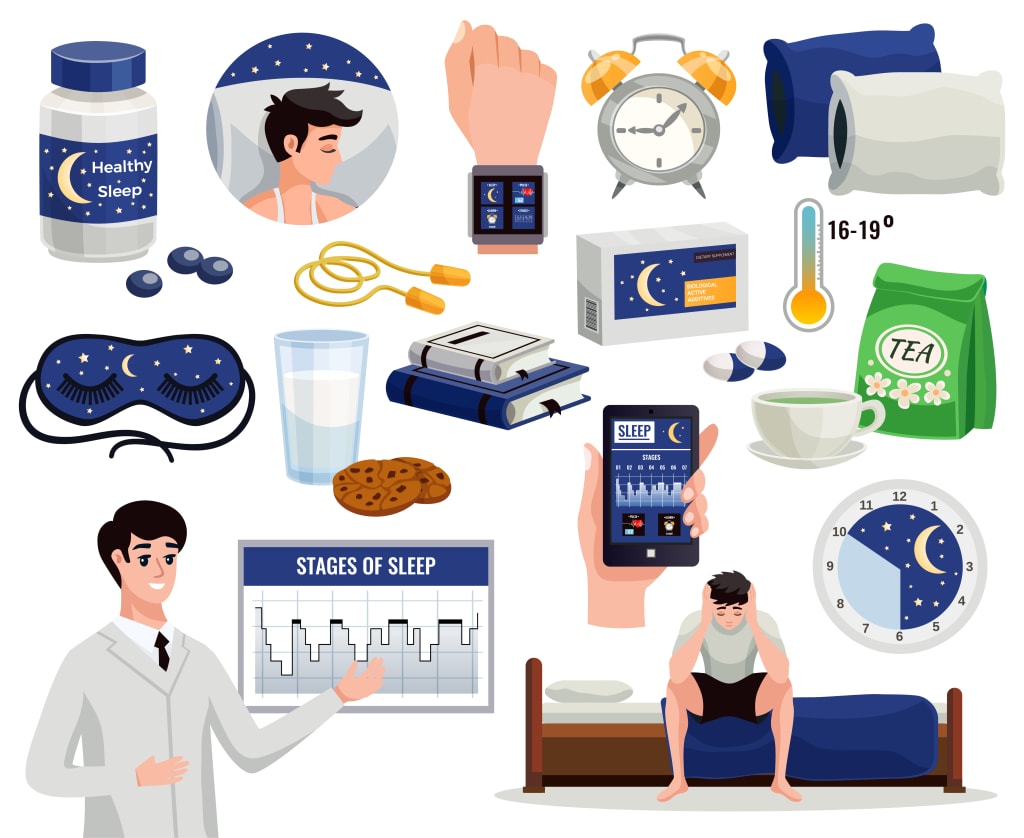
Sleep hygiene refers to the habits and behaviors that promote good quality sleep. It encompasses a range of lifestyle practices that can improve the quantity and quality of your sleep, allowing you to feel refreshed and rejuvenated upon waking.
Why is a good sleep hygiene important?
Good sleep hygiene can help reduce the risk of developing sleep disorders such as insomnia and improve overall health and well-being. Good sleep has numerous benefits for both physical and mental health. Some of the key benefits of good sleep include:
1. Improved physical health: Adequate sleep helps to boost the immune system, lower the risk of chronic health conditions such as heart disease, stroke, and diabetes, and promote overall physical health and well-being.
2. Improved mental health: Good sleep helps to reduce stress, anxiety, and depression, and improve overall mood and emotional well-being. It also promotes better cognitive function, including memory, attention, and problem-solving skills.
3. Increased energy and productivity: Adequate sleep helps to increase energy levels and improve productivity and focus throughout the day. It also helps to boost creativity, motivation, and overall performance.
4. Better weight management: Sleep plays a role in regulating hormones that control appetite and metabolism. Lack of sleep can lead to weight gain and increase the risk of obesity.
5. Improved athletic performance: Adequate sleep is essential for recovery and repair of the muscles and tissues, and is also essential for optimal athletic performance.
6. Enhanced memory and learning: Sleep helps to consolidate and reinforce new information and improve memory recall.
7. Reduced risk of accidents: Sleep deprivation can impair reaction time, coordination, and judgement, increasing the risk of accidents and errors.
Struggling to get into sleep? Watching TV or mobile phone a lot before falling asleep? Maintaining sleep hygiene is the solution.
Tips for maintaining good sleep hygiene:
1. Establish a consistent sleep schedule: Your body has an internal clock that helps regulate sleep. This clock is influenced by exposure to light, especially sunlight, and by establishing a consistent sleep schedule, you can help reset your body's clock and improve sleep quality. Try to go to bed and wake up at the same time every day, even on weekends.
2.Create a sleep-conducive environment: Your sleeping environment can play a significant role in the quality of your sleep. Ensure that your bedroom is cool, dark, and quiet, with a comfortable mattress and pillows. Consider using curtains or a sleep mask to block out any light, and earplugs to block out noise if necessary.
3.Limit exposure to screens before bedtime: The blue light emitted by electronic devices such as phones, laptops, and televisions can disrupt the production of melatonin, a hormone that helps regulate sleep. Try to avoid using these devices for at least an hour before bedtime, or invest in a pair of blue light blocking glasses if you must use them.
4. Avoid caffeine and alcohol in the evening and mainly before bedtime: Caffeine and alcohol are both stimulants that can interfere with sleep. Caffeine can be found in drinks such as coffee, tea, and energy drinks, as well as some medications. Try to avoid consuming any caffeine-containing products after 2 p.m., and limit alcohol consumption before bedtime.
5. Exercise regularly: Regular physical activity can help improve sleep quality by reducing stress and promoting relaxation. However, it's important to avoid engaging in vigorous exercise before bedtime, as it may keep you awake and make it harder to fall asleep. Try to exercise earlier in the day and find a routine that works best for you.
6. Wind down before bedtime: Engaging in relaxing activities before bedtime can help you wind down and prepare for sleep. Consider reading a book, taking a bath, or practicing meditation or deep breathing exercises. Avoid engaging in activities that may be stressful or stimulating, such as working, playing video games, or watching TV.
7. Get out of bed if you can't sleep: If you find yourself lying in bed for more than 20-30 minutes and are unable to fall asleep, get out of bed and do something relaxing. Avoid activities that may be stressful or stimulating, such as working or checking your phone. Once you feel tired, go back to bed and try to sleep.
By following these tips, you can improve your sleep hygiene and enjoy a better night's sleep. Additionally, it's important to pay attention to your sleep patterns and habits and make changes as needed. If you're having difficulty falling or staying asleep, or if you feel excessively tired during the day, consider speaking with your healthcare provider to rule out any underlying sleep disorders.
In conclusion, good sleep hygiene is essential for overall health and well-being. By establishing a consistent sleep schedule, creating a sleep-conducive environment, limiting exposure to screens before bedtime, avoiding caffeine and alcohol, exercising regularly, winding down before bedtime, and getting out of bed if you can't sleep, you can improve the quality of your sleep and feel refreshed and rejuvenated each day.
About the Creator
Amrit & Prash
Amrit Sekhon, MS, MA is a mental health expert practicing at Jacksonville, Florida. Prasanth Balasubramanian, MBBS, MD is a pulmonary and critical care physician practicing at Mayo clinic, Florida. The blog is on wellness and mental health.
Keep reading
More stories from Amrit & Prash and writers in Longevity and other communities.
Medium Chain Triglycerides: The Beneficial Fa(c)ts
Fats are an essential component of our diets and provide a rich source of energy, insulation, and cushioning for our bodies. But not all fats are created equal. Medium Chain Triglycerides (MCTs) are a type of saturated fat that is quickly and easily metabolized, making it a popular ingredient in many health and wellness products.
By Amrit & Prash3 years ago in Longevity
Day 4 of Quitting
If this is how sobriety feels, maybe it’s better to go through life a little buzzed… this, along with other hits like, I want to kill myself, I wish I was dead, and I’m going to throw myself off a bridge have been the only thoughts on rotation these past few days. I promise myself that if, in a month, I still feel like this (‘this’ meaning despondent, full of rage, and simultaneously numb) I can go back to smoking. Until mid-February though? Nicotine is off the table.
By sleepy drafts18 days ago in Longevity
Clinical Chemistry Analyzer Market Trends & Summary (2025–2033)
Introduction: The Backbone of Modern Diagnostics Clinical chemistry analyzers have quietly become one of the most indispensable technologies in modern healthcare. From routine blood sugar testing to complex metabolic assessments, these automated systems provide fast, accurate, and reliable diagnostic insights that support clinical decisions across hospitals, diagnostic labs, and research institutions worldwide.
By Marthan Sir5 days ago in Longevity
Thoughts on Vocal and the way the world is
"Death cannot stop true love, only delay it." – Wesley in The Princess Bride. I decided to come back to Vocal on a very cold and dark night at the end of December. I had been, and still am, convalescing from a horrible staph infection that had gone misdiagnosed for months. This, paired with the increasing challenges of being healthy, making the best choices for my co-parented child, being a wife, and being a director at a new job, was a lot to manage.
By Jazzy 7 days ago in Confessions




Comments
There are no comments for this story
Be the first to respond and start the conversation.