
Skip the Pills: Why Doctors Are Turning to Injectable Vitamin D
Skip the Pills: Why Doctors Are Turning to Injectable Vitamin D

What's New in Vitamin D Treatment?
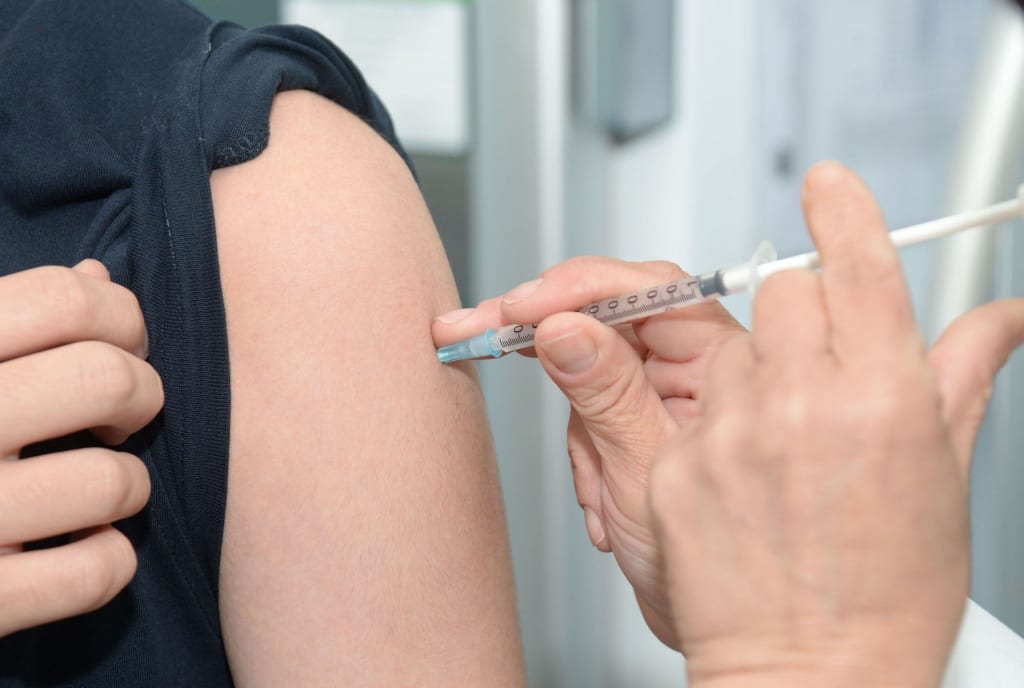
More doctors are turning to injectable vitamin D instead of pills. This shift is making waves in health care. Why are injectable vitamin D treatments gaining popularity over traditional supplements? Let's explore the reasons behind this growing trend in vitamin D administration.
Why Vitamin D Matters
What Does Vitamin D Do?
Vitamin D is important for many reasons. It helps keep our bones strong. It also boosts our immune system and mood. Without it, our bodies can't work right.
Many People Don't Get Enough Vitamin D
It's a Big Problem
Billions of people worldwide don't have enough vitamin D. This is true even though we need it to be healthy.
Who's at Risk?
Some people are more likely to have low vitamin D:
- Those who don't get much sun
- People with dark skin
- People who are overweight
- Older adults
- Those with digestive problems
Why Vitamin D Pills Don't Always Work
They're Hard to Absorb
Many things can stop your body from using vitamin D pills well:
Stomach Issues
If you have problems like Crohn's or celiac disease, pills may not work.
Some Medicines Get in the Way
Certain drugs can block vitamin D from pills. These include some for high cholesterol or seizures.
People Forget to Take Them
Taking pills every day can be hard to remember. This leads to missed doses.
Related: Feeling Lethargic? An Injectable Vitamin D Boost Might Be Just What You Need
What Are Vitamin D Shots?
Vitamin D shots are injections that go into your muscle. They deliver a big dose of vitamin D all at once.
How Do They Work?
The vitamin D goes straight into your blood from the muscle. This way, it doesn't have to go through your stomach first.
Why Shots Can Be Better
Your Body Gets More
Shots work better for people who have trouble absorbing pills. The vitamin D goes right where it's needed.
They Last Longer
One shot can keep your vitamin D levels up for months. You don't need to take something every day.
The Dose is More Exact
Doctors can give you just the right amount with a shot. It's more precise than pills.
They're Easier for Some People
If you don't like taking pills daily, shots might be easier. You only need them every few months.
Who Needs Vitamin D Shots Most?
People with Very Low Vitamin D
If your levels are really low, shots can bring them up fast.
Those with Weak Bones
Shots can help people with osteoporosis or high risk of breaks.
People with Autoimmune Problems
Some research shows high doses of vitamin D might help these conditions.
Kidney Disease Patients
These patients often can't use vitamin D from pills well. Shots can help.
The Science of Vitamin D Shots
Types of Injectable Vitamin D
Vitamin D3
This is the most common type. It's the same as what your skin makes from sunlight.
Vitamin D2
This comes from plants. Some people prefer it, but it's used less often.
How Much and How Often?
The amount and timing of shots can vary. It depends on what you need. Some common plans are:
- Once a month
- Every three months
- Once a year
Your doctor will decide what's best for you.
Related: Boost Your Energy Levels Naturally with These Injectable B12 Tips
Are Vitamin D Shots Safe?
Possible Side Effects
Shots are usually safe, but they can have some side effects:
- Pain where the shot goes in
- Feeling sick
- Headaches
- Tiredness
Keeping Track of Your Levels
You'll need blood tests to check your vitamin D. This helps avoid getting too much.
Who Should Think About Getting Vitamin D Shots?
Shots might be good for you if:
- Your vitamin D is very low
- You have trouble absorbing pills
- You have kidney disease
- You often forget to take pills
- You're at high risk for weak bones
Always talk to your doctor before starting any new treatment.
What's Next for Vitamin D Treatment?
New Research
Scientists are studying how vitamin D shots might help with:
Scientists are exploring the potential benefits of injectable vitamin D for various health aspects. Recent studies have shown promising results in cancer prevention, suggesting that injectable vitamin D might play a role in reducing the risk of certain types of cancer.
Researchers are also investigating how injectable vitamin D could impact heart health, potentially improving cardiovascular outcomes.
Brain function is another area of interest, with ongoing research examining the effects of injectable vitamin D on cognitive performance and neurological health. Additionally, sports scientists are looking into how injectable vitamin D might enhance athletic performance, focusing on its potential to improve muscle strength, recovery, and overall physical capabilities.
Treatment Just for You
In the future, your vitamin D plan might be based on your genes and lifestyle.
Wrapping Up: A New Way to Get Vitamin D
Vitamin D shots are changing how we treat low vitamin D. They work well for many people. Pills are still good, but shots offer a new choice.
If you're worried about your vitamin D, talk to your doctor. Shots might be the answer for you.
Remember, getting enough vitamin D is important for your health. Stay informed and take care of your vitamin D levels.
About the Creator
Keep reading
More stories from David Jone and writers in Longevity and other communities.
Vitamin D Shots: Are They Worth It for Better Bone Health?
Introduction: Why All the Fuss About Vitamin D? Vitamin D is a hot topic in health these days. More people are learning how important it is for strong bones. Now, there's a new trend: vitamin D shots. But are these shots really the answer to better bone health? Or is it just another health craze?
By David Jone2 years ago in Longevity
Day 4 of Quitting
If this is how sobriety feels, maybe it’s better to go through life a little buzzed… this, along with other hits like, I want to kill myself, I wish I was dead, and I’m going to throw myself off a bridge have been the only thoughts on rotation these past few days. I promise myself that if, in a month, I still feel like this (‘this’ meaning despondent, full of rage, and simultaneously numb) I can go back to smoking. Until mid-February though? Nicotine is off the table.
By sleepy drafts13 days ago in Longevity
The Hidden Power of the Nerve Endings in Your Feet
Most people don’t give much thought to their feet unless they’re uncomfortable or tired. Yet beneath the surface, the nerve endings in the feet are constantly working, sending vital information to the brain that influences balance, posture, and movement. These signals operate quietly in the background, but they play a far greater role in daily life than many people realize.
By AhmedFitLife6 days ago in Longevity



Comments
There are no comments for this story
Be the first to respond and start the conversation.