
Sexual Health After 50
Navigating Changes in Desire and Function

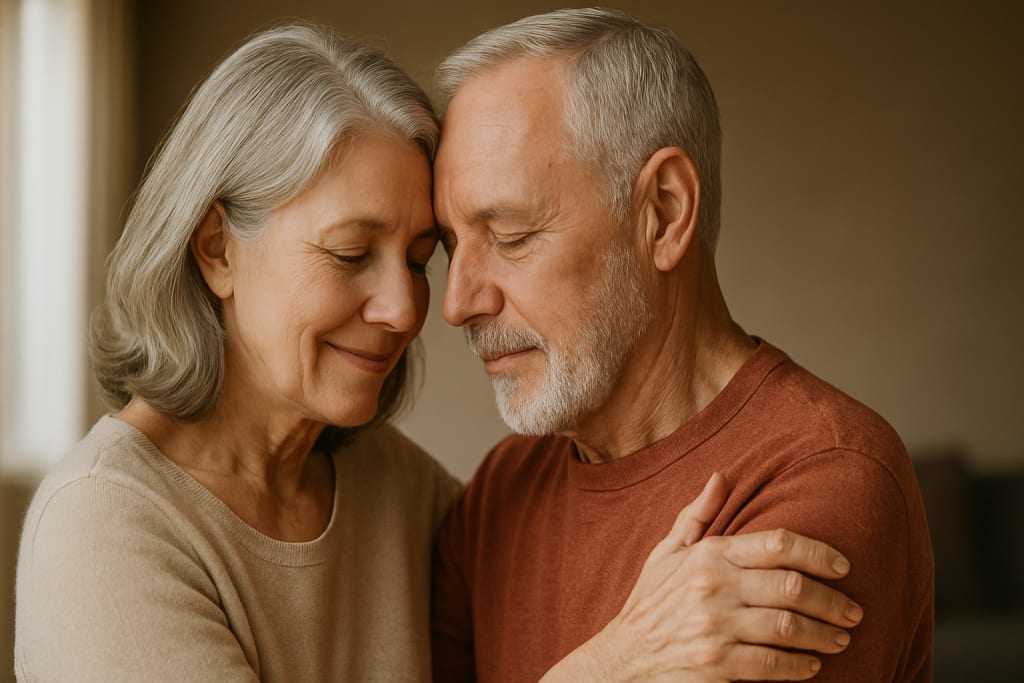
As people age, their bodies undergo natural changes that affect nearly every aspect of life, including sexual health. For many individuals over the age of 50, these changes can lead to shifts in sexual desire, function, and overall satisfaction. While sexual activity and intimacy are often considered a key part of a vibrant, fulfilling life, aging can bring about challenges that might affect libido, arousal, and performance. However, with the right knowledge, communication, and lifestyle changes, individuals can continue to enjoy healthy and fulfilling sexual relationships well into their later years. In this article, we will explore how sexual health evolves after 50, the changes that occur in desire and function, and strategies for navigating these shifts.
Physical Changes Affecting Sexual Health
As individuals age, physical changes are inevitable, and these can significantly impact sexual health. While these changes vary from person to person, there are a few common alterations that people in their 50s and beyond may experience.
- Hormonal Changes
In both men and women, hormones play a major role in sexual desire and function. For women, menopause—typically occurring between the ages of 45 and 55—marks a major hormonal shift. As estrogen and progesterone levels decrease, many women experience vaginal dryness, reduced libido, and discomfort during intercourse. These changes can lead to feelings of frustration or a diminished interest in sex, but there are treatments available, such as vaginal lubricants, hormone replacement therapy (HRT), and local estrogen treatments, that can alleviate these symptoms.
In men, testosterone levels gradually decrease with age. This decline in testosterone can lead to reduced sexual desire, erectile dysfunction (ED), and changes in sexual arousal. While low testosterone is a common cause of these issues, many men in their 50s experience sexual dysfunction that is more related to other health factors, such as cardiovascular problems or stress.
- Decreased Blood Flow and Circulation
As men and women age, circulation often decreases, which can impact sexual performance. For men, erectile dysfunction becomes more common as blood vessels become less efficient at carrying blood to the penis. Women may also experience changes in arousal, as reduced blood flow to the genital area can make it more difficult to achieve and maintain lubrication, leading to dryness and less sensitivity.
- Changes in Sensitivity and Response
Over time, people may notice a shift in their sexual response. For both men and women, arousal may take longer, and reaching orgasm may require more effort. In men, ED or difficulty in maintaining an erection can become more pronounced, while women might experience delayed orgasm or changes in the intensity of orgasm. These shifts are a normal part of aging, but they don’t necessarily mean that sexual satisfaction is out of reach.
Psychological and Emotional Factors
In addition to physical changes, psychological and emotional factors can play a significant role in sexual health after 50. These factors can affect sexual desire, arousal, and satisfaction just as much as physical changes.
- Body Image and Self-Esteem
As people age, they may feel more self-conscious about their bodies, which can affect their confidence and willingness to engage in sexual activity. For women, changes in physical appearance due to aging—such as weight gain, wrinkles, or breast sagging—can lead to body image issues, which may decrease sexual desire. Men may also struggle with the physical signs of aging, including hair loss or weight changes, and may feel less confident during intimacy.
Addressing body image concerns through open communication with a partner, focusing on self-care, and learning to embrace the aging process can help mitigate these emotional effects.
- Relationship Dynamics
After 50, couples may experience changes in their relationships that affect sexual health. For example, children may have moved out of the house, which can create new opportunities for intimacy or, conversely, lead to a sense of emotional distance. Long-term relationships may also face challenges in maintaining sexual novelty, which can affect desire. In some cases, emotional stress related to health concerns, retirement, or financial issues can interfere with intimacy.
Couples who communicate openly about their needs, desires, and concerns are more likely to maintain a fulfilling sexual connection as they age. This openness fosters emotional intimacy, which can, in turn, enhance physical intimacy.
- Mental Health
Mental health issues such as depression, anxiety, and stress are not uncommon after 50 and can contribute to sexual dysfunction. A person’s mental state has a significant impact on sexual desire, arousal, and performance. Feelings of sadness, loneliness, or worry can reduce libido, while medications used to treat depression or anxiety can also have side effects that interfere with sexual function. It is crucial to address these mental health issues through therapy, medication, or lifestyle changes to improve overall well-being and maintain a healthy sex life.
Practical Solutions for Healthy Sexuality After 50
While age-related changes in sexual health are natural, they do not mean that sexual satisfaction is out of reach. There are many ways to adapt to these changes and ensure a fulfilling sex life after 50.
- Communication with Your Partner
The foundation of any successful relationship is communication, and this is especially important when navigating changes in sexual health. Openly discussing concerns, desires, and expectations can help couples navigate changes together. For example, talking about what feels good, using lubricants to alleviate vaginal dryness, or exploring new sexual positions can enhance the experience and build intimacy.
- Physical Activity and Healthy Lifestyle
Regular exercise has a positive impact on sexual health by improving blood flow, boosting energy levels, and increasing overall physical and mental well-being. Cardiovascular exercise, in particular, can help improve circulation, reducing the risk of ED in men and improving arousal in women. Eating a balanced diet rich in antioxidants, vitamins, and minerals is also crucial for maintaining sexual health.
- Seek Professional Help
If sexual concerns become persistent or problematic, it’s important to consult a healthcare provider. A doctor can help address physical issues like erectile dysfunction, vaginal dryness, or hormonal imbalances. In some cases, a counselor or therapist specializing in sexual health may provide valuable guidance for navigating emotional or psychological challenges.
- Sexual Aids and Treatments
There are a variety of products designed to support sexual health in older adults. For example, lubricants, sexual enhancement devices, and prescription medications (like Viagra for men or hormonal therapy for women) can help alleviate specific issues and improve sexual enjoyment. Exploring these options with a healthcare provider can provide practical solutions tailored to individual needs.
Conclusion
Sexual health after 50 is a natural and inevitable part of aging, but it doesn’t have to diminish the quality of one’s sex life. By understanding the physical, emotional, and psychological changes that come with aging, individuals can take steps to address these shifts and continue to enjoy satisfying and intimate relationships. Open communication, a healthy lifestyle, and seeking appropriate treatments are all key to maintaining a healthy sexual relationship as we age. With the right approach, sexual health after 50 can still be fulfilling, enriching, and enjoyable.
About the Creator
Artical Media
my name is Neeru Verma+++
I am from Delhi In India.
I Working from Last Year Content Writing & Artical Writing.
Thank you.
For Reading My Articals.
Visit My Store:DIGIMARTS.redbubble.com
Keep reading
More stories from Artical Media and writers in Longevity and other communities.
How Porn Is Affecting Real-Life Intimacy —
In today's digital age, access to adult content has never been easier. With a few taps, anyone can watch thousands of videos catering to nearly every sexual preference. While pornography has long been a part of human culture in various forms, its rapid growth and availability — especially online — have raised important questions about its impact on real-life intimacy.
By Artical Media10 months ago in Longevity


Comments
There are no comments for this story
Be the first to respond and start the conversation.