
Enhance Balance and Functional Movement at Home: Foot and Neuromuscular Exercises
Practical exercises to strengthen weak feet, improve sensory input, and boost body awareness.

Introduction
Foot strength and neuromuscular control are essential for maintaining balance, confidence, and safety during everyday life. A weak foot can lead to instability, poor posture, and an increased risk of injury—especially for older adults or people recovering from a sports injury.
The key to preventing falls and improving movement is targeted proprioception exercises that stimulate sensory input, enhance body awareness, and strengthen the connection between the nervous system and muscles. These exercises don’t require high-intensity workouts or gym equipment—just a consistent, mindful approach at home.
Why Foot Strength and Sensory Input Matter
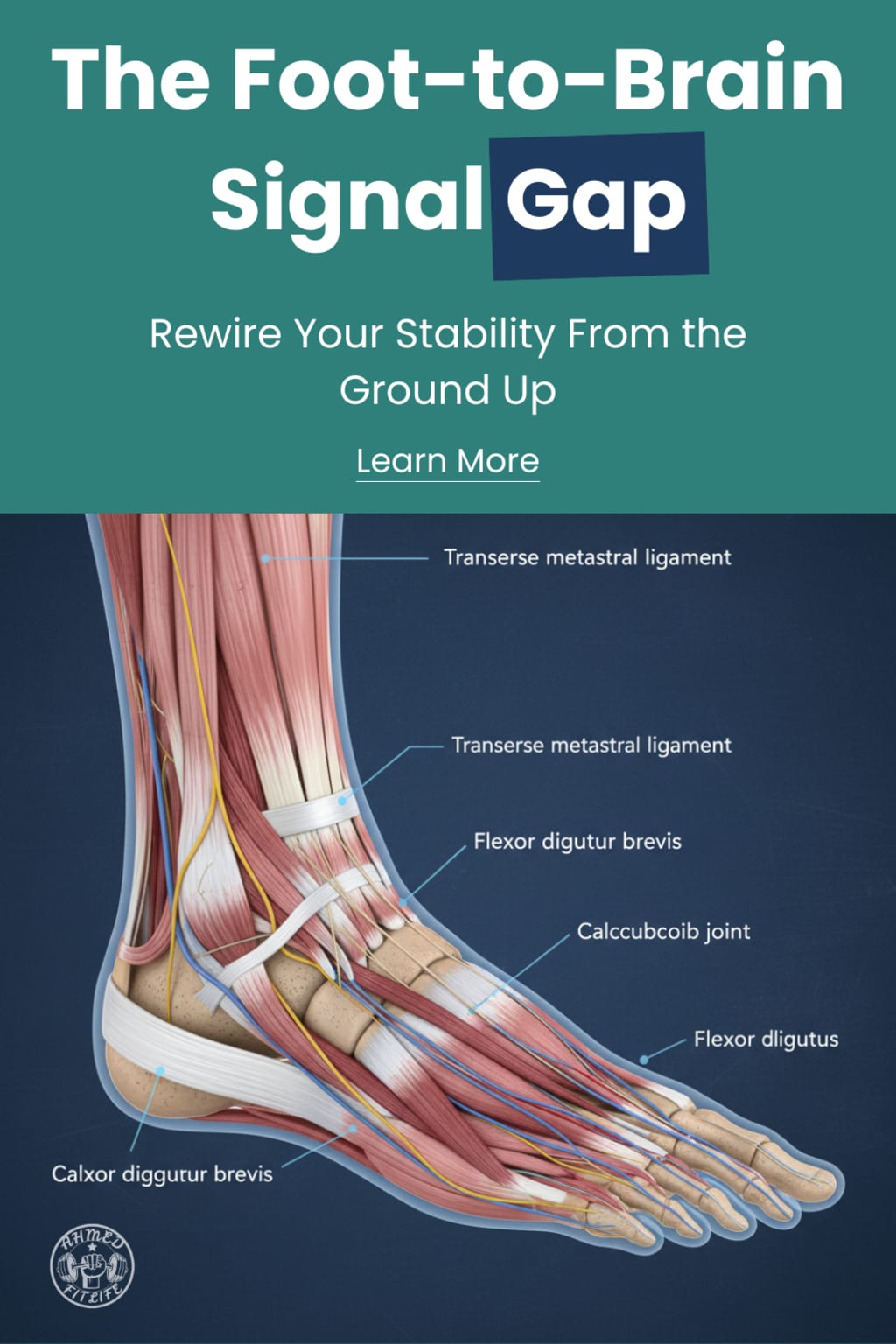
Your feet are packed with sensors that send constant feedback to your brain, helping you adjust your posture and maintain balance. Weak foot muscles or reduced sensory input can compromise neuromuscular control, making even simple movements like walking or climbing stairs more challenging.
Body awareness—the ability to sense your body’s position in space—is closely linked to functional movement. Strengthening your feet and enhancing sensory input helps your nervous system respond more effectively to changes in surface, obstacles, or unexpected movements. This leads to safer, more confident steps in everyday life.
Dynamic Home Exercises for Weak Feet and Functional Movement
Here are five exercises designed to improve foot strength, neuromuscular control, and overall body awareness:
1. Toe Domes and Flexion
Sit or stand and press your toes into the floor, lifting the arch of your foot to create a dome.
Hold for 5 seconds, then release.
Repeat 10–15 times per foot.
Strengthens the intrinsic muscles of the foot, enhances sensory input, and supports functional movement.
2. Single-Leg Balance with Eye Movements
Stand on one leg and slowly move your eyes side-to-side or up-and-down.
Switch legs and repeat.
This challenges the nervous system to maintain stability using both visual and sensory cues, boosting neuromuscular control and body awareness.
3. Heel-to-Toe Line Walk
Walk in a straight line, placing the heel directly in front of your toes.
Take slow, controlled steps.
Improves functional movement, balance, and coordination, especially during daily tasks like navigating narrow hallways.
4. Therapy Ball Foot Rolls
Roll a small ball under the sole of your foot, moving in circular patterns clockwise and counterclockwise.
Repeat 1–2 minutes per foot.
Stimulates sensory input, reduces stiffness, and strengthens the ankle and foot for improved neuromuscular control.
5. Lateral Band Walks
Place a resistance band around your thighs and bend slightly at the knees.
Take small side steps in each direction.
Strengthens lower leg muscles, enhances body awareness, and improves stability for lateral movements during daily life or athletic activities.
6. Step-Ups with Knee Lift
Using a low platform or step, step up with one foot and lift the opposite knee.
Slowly step down and repeat with the other leg.
Improves functional movement, foot and ankle strength, and dynamic neuromuscular control for activities like climbing stairs or stepping over obstacles.
Integrating Exercises Into Daily Life
The most effective exercises are the ones you do consistently. Here’s how to integrate them:
Dedicate 10–20 minutes each day to a mix of these exercises.
Perform toe domes while seated during TV breaks or heel-to-toe walks while moving around the house.
Gradually increase difficulty by closing your eyes, standing on a cushion, or adding light resistance.
Focus on slow, mindful movements to enhance body awareness and the quality of sensory input.
By practicing consistently, your nervous system becomes more efficient at controlling balance, reducing the risk of injury, and improving overall stability.
The Benefits of Foot and Neuromuscular Training
Regularly performing these exercises provides a wide range of benefits:
Strengthened feet and ankles for improved balance
Enhanced sensory input to better detect shifts in your environment
Increased body awareness for safer, more controlled movement
Improved neuromuscular control, supporting sports injury prevention
Better functional movement for everyday activities like walking, standing, and climbing stairs
These exercises are particularly useful for individuals recovering from minor injuries, older adults seeking to prevent falls, or anyone aiming to improve overall mobility and stability.
Tips for Maximizing Your Practice
Barefoot Training: Whenever safe, practice exercises barefoot to enhance sensory feedback from your feet.
Mindful Movement: Pay attention to each movement, feeling how your muscles and joints respond.
Consistency Over Intensity: Short, daily sessions are more effective than sporadic intense workouts.
Progressive Challenge: Add complexity gradually, like standing on one leg on a cushion or combining arm movements with balance exercises.
These small adjustments ensure that your proprioception exercises continually challenge the nervous system, strengthening coordination and overall stability.
Conclusion
A weak foot doesn’t have to limit your independence or confidence. By incorporating home-based exercises that focus on sensory input, neuromuscular control, and body awareness, you can strengthen your feet, improve functional movement, and reduce the risk of injury.
With consistent practice, your balance improves, everyday movements become easier, and you gain the confidence to move safely at home and beyond. Start with a few simple exercises today and gradually build a routine that strengthens your foundation from the ground up.
About the Creator
AhmedFitLife
Helping You Reclaim Balance, Energy & Focus Naturally
Hi, I’m Ahmed, Discover Neuro-Balance Therapy! 🌿 Reduce stress, boost focus, and restore balance with this easy, guided tool. Feel better, naturally: Neuro-Balance Therapy
Keep reading
More stories from AhmedFitLife and writers in Longevity and other communities.
The Hidden Power of the Nerve Endings in Your Feet
Most people don’t give much thought to their feet unless they’re uncomfortable or tired. Yet beneath the surface, the nerve endings in the feet are constantly working, sending vital information to the brain that influences balance, posture, and movement. These signals operate quietly in the background, but they play a far greater role in daily life than many people realize.
By AhmedFitLife2 months ago in Longevity
Microsoft's Purposeful Marketing Deception About AI's Ability To Beat Physicians In Diagnosis
When you look at the world of scientific research... If you are not careful... You will be fooled into believing things that are not actually supported by the data.
By Dr. Cody Dakota Wooten, DFM, DHM, DAS (hc)a day ago in Longevity
5 Best Breakfast Foods for Better Blood Sugar, Recommended by Dietitians
KEY POINTS Skipping or not optimizing breakfast can impact blood sugar levels. A breakfast rich in fiber, protein and healthy fats can help stabilize blood sugar. Balanced breakfasts, like overnight oats, provide blood-sugar-stabilizing nutrients.
By Good health to everyone5 days ago in Longevity


Comments
There are no comments for this story
Be the first to respond and start the conversation.