
Remove Scabs After Hair Transplant Surgery
Scab removal guidance

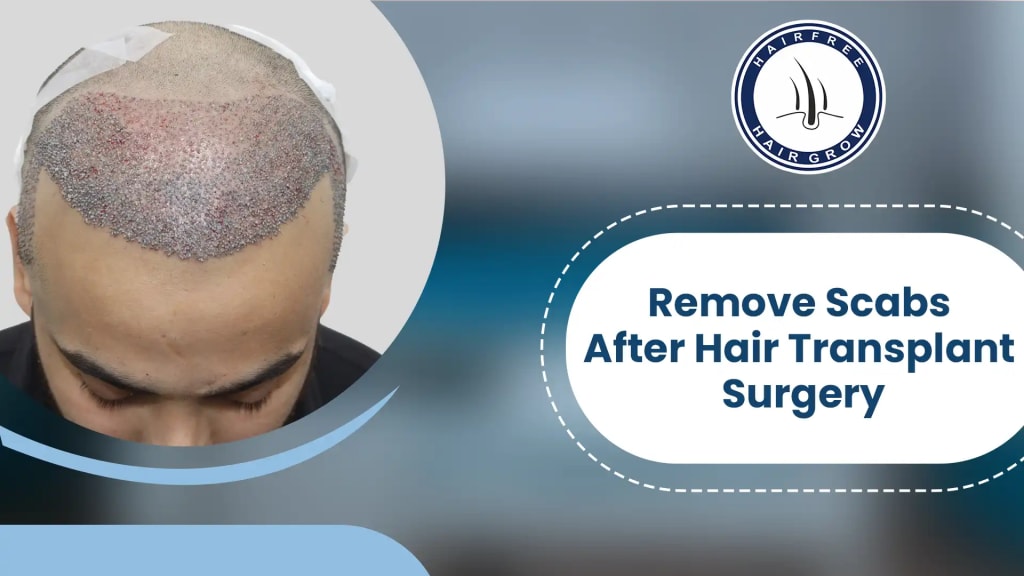
After undergoing a hair transplant procedure, patients often experience the formation of small, crusty scabs on the scalp. These scabs are a natural part of the healing process and typically appear within 24 to 48 hours following surgery. They form in the areas where hair follicles were transplanted and around the donor area. These scabs are often white or yellowish and are sometimes raised or flat. While scabs after a hair transplant are common, they require careful management to ensure proper healing and optimal results. Here's an in-depth look at the process and how to manage it.
1. What Are Hair Transplant Scabs?
Scabs form as part of the body's natural healing process after a hair transplant. The transplanted follicles are carefully implanted into tiny incisions made in the scalp. These incisions heal over time and create small scabs at the site. The scabs serve as protective barriers to prevent infections and to ensure the newly implanted follicles remain undisturbed during the initial stages of healing.
These scabs are most commonly found:
On the recipient site (where hair follicles were implanted): These may be dark, scaly, or crusty. They can range from a yellowish to white color.
On the donor area (where hair was taken from): The donor site can also have scabs as it heals from the extraction of the hair follicles.
2. Why Do Scabs Form?
Scabs form after the hair follicles are transplanted into the scalp because the surgical process creates small wounds. These wounds need to heal, and during the healing process, your body naturally creates scabs to protect the wounds from bacteria and infection. They help to trap moisture, prevent dirt, and facilitate the formation of new skin tissue to support the healing of the scalp.
In the donor area, scabs may form as well, particularly if there was any bleeding or trauma caused by the removal of the follicles. Both the donor and recipient areas will go through a healing phase where scabs are common.
3. How to Cope with Scabs Post-Transplant?
Dealing with scabs after a hair transplant can be uncomfortable, especially due to the accompanying itching. However, it’s crucial not to scratch the scabs, as this can lead to several complications, including:
Dislodging Grafts: Scratching can disturb the newly transplanted hair follicles, possibly dislodging them and affecting the success of the transplant.
Creating New Scabs: Scratching or picking at the scabs may create new scabs, causing delays in healing and potentially leading to scarring.
Infection: Open wounds from scratching can introduce bacteria, increasing the risk of infection, which could damage the hair grafts.
4. How to Safely Manage Scabs
To ensure a smoother recovery process, follow these guidelines for managing scabs after a hair transplant:
A. Avoid Scratching
Though it may be tempting, scratching or picking at the scabs can cause damage to the transplanted follicles. This can also lead to scarring, which can impair the growth of new hair. If itching becomes unbearable, try gently patting the scalp instead of scratching.
B. Use Gentle Shampoo
After a few days, once the initial healing process begins, you can start using a mild, gentle shampoo to cleanse your scalp. This helps remove excess oils, dirt, and some of the scabs without disturbing the healing follicles. Your surgeon will likely recommend specific products that are safe for post-transplant care.
C. Hydration and Moisturization
Keeping your scalp hydrated is important for the healing process. You may be advised to apply a mild moisturizer or saline solution to your scalp to keep the scabs soft and facilitate their natural shedding. Avoid using harsh chemicals that can irritate the scalp.
D. Seek Professional Help for Persistent Scabs
If scabs persist or you notice excessive itching or discomfort, consult with your surgeon. There may be additional steps or treatments to help manage the scabs without harming the grafts.
5. Should Scabs Be Removed?
While it might seem tempting to remove the scabs manually, it's essential to let them fall off naturally. Scabs that haven’t fallen off by themselves might need gentle removal to:
Reduce Itchiness: Scabs left on the scalp can exacerbate itching, prompting scratching. By carefully removing them (under professional guidance), you may reduce the urge to scratch.
Prevent Scarring: If left too long, scabs may create a scaly layer that can lead to scarring. Gently removing the scabs can minimize this risk. However, it's important to allow scabs to fall off naturally in most cases. Rushed removal could potentially disturb the grafts or hinder the healing process.
6. Aftercare and Its Importance for Hair Transplant Success
Aftercare is critical for the success of your hair transplant. Proper care of the scalp can maximize the results of the procedure and ensure optimal hair growth.
Here’s why hair transplant aftercare is essential:
Prevents Infection: Following proper aftercare protocols reduces the risk of infection, which could damage the transplanted follicles.
Promotes Faster Healing: Gentle care speeds up the healing process and allows new hair to grow faster and healthier.
Minimizes Scarring: Proper aftercare minimizes scarring and ensures the newly transplanted follicles remain intact, promoting better hair growth.
7. When to Seek Professional Help
If you're struggling with the post-transplant scab phase, or if you have concerns about infection, excessive itching, or scarring, it’s essential to seek professional help. Consulting with your surgeon or a reputable hair transplant clinic, such as Hairfree Hairgrow Clinic, can provide expert guidance on how to safely remove scabs and optimize healing.
Professional help can also ensure that any challenges with your hair transplant are addressed promptly, leading to the best possible outcomes. With the right care, your hair transplant procedure can be a long-term success, leading to a fuller head of hair and restored confidence.
Conclusion
Dealing with scabs after a hair transplant is a normal part of the healing process. While they can be uncomfortable and may cause itching, managing them correctly is essential to avoid damaging your new grafts. By following proper aftercare, avoiding scratching, and seeking professional help if needed, you can promote faster healing and optimize your results. Scabs should naturally fall off over time, and with gentle care, you can support the process for the best possible outcome from your hair transplant.
About the Creator
Hair Transplant Stories
"From thinning hair to winning confidence—sharing my hair transplant journey, one story at a time!"
Keep reading
More stories from Hair Transplant Stories and writers in Longevity and other communities.
Can We Stop Genetic Hair Loss?
Hair loss is a common concern for many, but when it comes to genetic hair loss, the question often arises: Can we stop genetic hair loss? This type of hair loss, also known as androgenetic alopecia, is influenced by your DNA and can affect both men and women. While completely stopping genetic hair loss may not always be possible, there are various ways to slow it down, manage it, and, in some cases, regrow lost hair. Let's explore this topic in depth.
By Hair Transplant Storiesabout a year ago in Longevity
Day 4 of Quitting
If this is how sobriety feels, maybe it’s better to go through life a little buzzed… this, along with other hits like, I want to kill myself, I wish I was dead, and I’m going to throw myself off a bridge have been the only thoughts on rotation these past few days. I promise myself that if, in a month, I still feel like this (‘this’ meaning despondent, full of rage, and simultaneously numb) I can go back to smoking. Until mid-February though? Nicotine is off the table.
By sleepy drafts10 days ago in Longevity



Comments
There are no comments for this story
Be the first to respond and start the conversation.