
Remember 10 points for healthy eating
Healthy eating


The World Health Organization recommends that energy intake and consumption should be balanced, and the total fat intake should not exceed 30% of the total energy. It is more emphasized that the intake of saturated fat should be less than 10% of the total energy, and it is recommended that the intake of fat be shifted from saturated fat to unsaturated fat. So, what are saturated fats and unsaturated fats? How to distinguish and choose in life?

1. What are saturated fatty acids and unsaturated fatty acids?
Animal and vegetable fats mainly have triglycerides as their basic structure, and triglycerides are formed by fatty acids and glycerol. According to the structure of fatty acids, it can be divided into saturated fatty acids and unsaturated fatty acids.
Generally speaking, most vegetable oils contain more unsaturated fatty acids; the fat content of animal foods varies with types and food sources. Terrestrial animal fats such as lard and butter contain more saturated fatty acids.
2. Do different fatty acids have different effects on health?
The impact of saturated fatty acids on human health is manifested when the intake is too high, which may be related to the occurrence of hyperlipidemia and certain tumors. There is also research that saturated fatty acids may be one of the risk factors for the development of Alzheimer's disease. Moreover, saturated fatty acids and cholesterol form esters, which are easy to deposit in the arterial intima and cause arteriosclerosis. Cholesterol exists in animal food (the cholesterol content in livestock meat is roughly the same, fat meat is higher than lean meat, viscera is higher than fat meat, and the content in the brain is the highest).
In recent years, the relationship between unsaturated fatty acids and chronic diseases has also become a focus of attention. Studies have found that unsaturated fatty acids may play a positive role in the occurrence and development of obesity, diabetes and other chronic diseases.
Can vegetable oils rich in unsaturated fatty acids be edible without an upper limit? the answer is negative!
In our daily life, we still have to follow the principle of "healthy adults consume no more than 25 grams of cooking oil per day", and pay attention to the selection and matching, so as to meet the needs of the body while not burdening the body due to excessive amounts. .
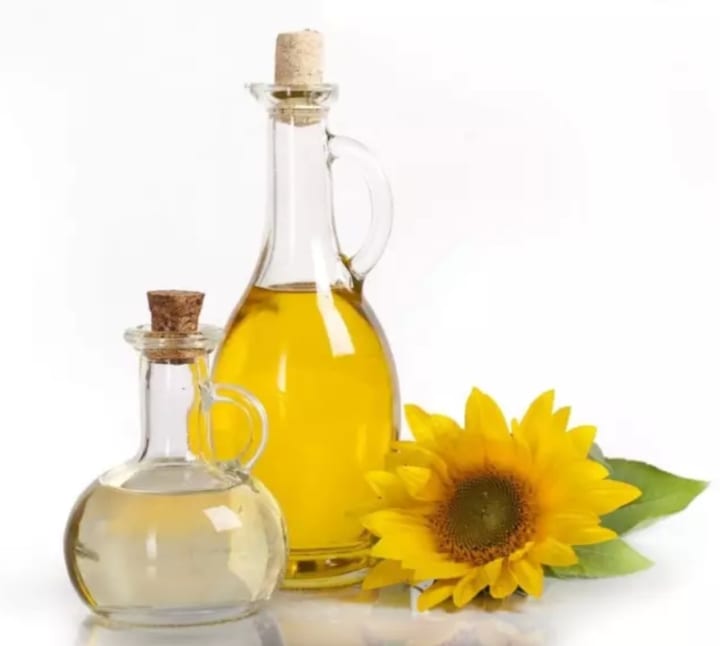
3. How to choose different cooking oils?
The choice of cooking oil should be based on vegetable oil as much as possible. As different vegetable oils have their own nutritional characteristics, it is recommended that the type of cooking oil should be changed frequently and a variety of vegetable oils should be consumed. If you buy a variety of oils and change them to eat, and the consumption rate is too slow and easy to expire, you can buy cooking oils in small packages and replace them regularly.
4. Which common cooking oils are vegetable oils and which are animal oils?
Cooking oil can be divided into vegetable oil and animal oil. Common vegetable oils such as soybean oil, peanut oil, sunflower oil, rapeseed oil, sesame oil, corn oil, olive oil and so on. Common animal oils such as lard, tallow, lanolin, butter (butter), fish oil, etc.
5. In addition to cooking oil, what other foods should be paid attention to?
It is recommended to eat fish, poultry, eggs, and lean meat in moderation, preferably fish and poultry, and eat less fatty meat.
The fat content of fish is relatively low and contains more polyunsaturated fatty acids, so it is the first choice.
Poultry fat content is relatively low, and unsaturated fatty acid content is high, its fatty acid composition is also better than livestock fat, the selection should also be prior to livestock meat.
Livestock meat, which is what we often call "red meat", such as pigs, cattle, sheep, etc., is high in fat and contains more saturated fatty acids. Therefore, when eating animal meat, you should choose lean meat with relatively low fat content, while fatty meat and meat oil should be eaten less.
Nuts, such as walnuts, almonds, peanuts, melon seeds, etc., have high fat content, but most of them are dominated by monounsaturated fatty acids and contain a variety of beneficial fatty acids and nutrients. They should be eaten in moderation.
10 suggestions to help you eat healthily
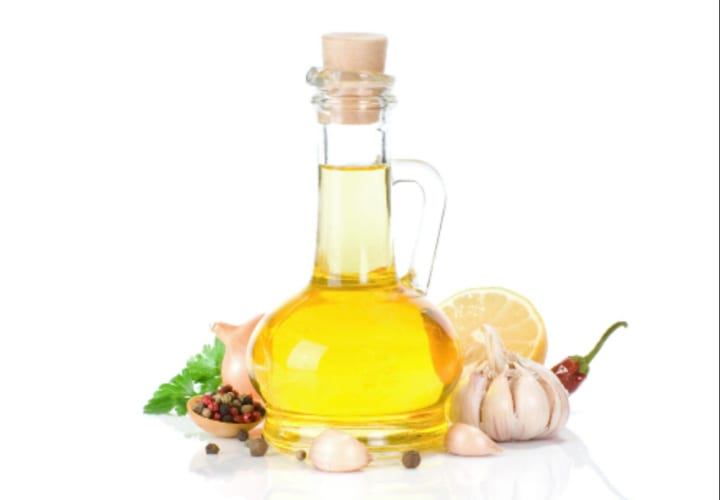
(1) Oil is an important source of essential fatty acids and vitamin E for the human body. It helps the absorption and utilization of fat-soluble vitamins in food, but excessive intake will affect health.
(2) Excessive intake of vegetable oil and animal oil can lead to obesity and increase the risk of chronic diseases such as diabetes, hypertension, dyslipidemia, atherosclerosis and coronary heart disease.
(3) It is recommended that healthy adults consume no more than 25 grams of cooking oil per day.
(4) When cooking, use steaming, boiling, stewing, braising, cold dressing and other methods. Use non-stick pans, ovens, electric baking pans and other cooking devices to reduce the amount of oil.
(5) The family uses a scaled oil control pot to quantitatively use oil and control the total amount.
(6) High-temperature cooking oil, vegetable butter, creamer, shortening, etc. may contain trans fatty acids. To reduce the intake of trans fatty acids, no more than 2 grams per day.
(7) Eat less fried crispy foods and processed snacks, such as biscuits, pastries, French fries, potato chips, etc.
(8) Read the nutritional composition table when purchasing packaged foods and insist on choosing low-oil foods.
(9) Reduce the frequency of dining out, order meals reasonably, and avoid waste.
(10) Cultivate light and non-greasy eating habits from an early age.
About the Creator
Keep reading
More stories from writers in Longevity and other communities.
Day 4 of Quitting
If this is how sobriety feels, maybe it’s better to go through life a little buzzed… this, along with other hits like, I want to kill myself, I wish I was dead, and I’m going to throw myself off a bridge have been the only thoughts on rotation these past few days. I promise myself that if, in a month, I still feel like this (‘this’ meaning despondent, full of rage, and simultaneously numb) I can go back to smoking. Until mid-February though? Nicotine is off the table.
By sleepy drafts23 days ago in Longevity



Comments
There are no comments for this story
Be the first to respond and start the conversation.