
Redefining Lipid Biology: From Droplets to Ferroptosis
How lipid droplets and iron-driven cell death are reshaping cancer research, metabolism, and future medical treatments

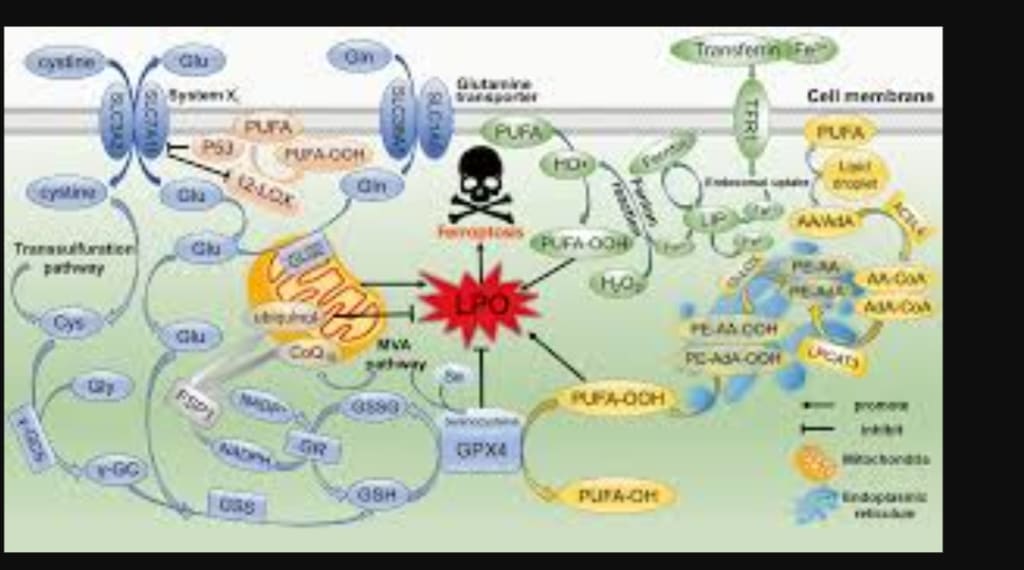
For decades, lipids were treated as simple biological “fuel.” Most people understood fats as something the body stores, burns, or tries to avoid. But modern research is now proving something far more powerful: lipids are not just energy—they are information, structure, and control.
Today, scientists are redefining lipid biology through two major concepts:
1. Lipid droplets — the cell’s dynamic fat storage hubs
2. Ferroptosis — a unique form of cell death driven by lipid damage
This shift is changing how researchers understand cancer, neurodegenerative diseases, diabetes, obesity, immune responses, and even aging.
In this blog, we’ll explore how lipid droplets and ferroptosis are connected, why lipid biology is suddenly one of the hottest topics in modern science, and what it could mean for future treatments.
What Are Lipids—and Why Do They Matter?
Lipids are a broad group of molecules that include:
fats (triglycerides)
phospholipids (cell membrane building blocks)
cholesterol and sterols
fatty acids
signaling lipids
Unlike proteins and DNA, lipids were historically harder to study because they don’t behave as neatly in lab tests. But new technologies—like lipidomics, advanced microscopy, and molecular profiling—are now revealing how important lipids truly are.
Lipids play three critical roles:
✅ Energy storage
✅ Cell structure
✅ Cell signaling and regulation
This means fat is not just stored—it is actively managed by the cell as a biological tool.
Lipid Droplets: Not Just “Fat Storage”
What is a lipid droplet?
A lipid droplet is a tiny organelle inside cells that stores fat. For years, scientists believed lipid droplets were passive blobs—basically cellular “fat tanks.”
But that idea is outdated.
Modern science shows lipid droplets are:
highly regulated
connected to metabolism
involved in immune defense
essential for cell survival during stress
active in disease progression
In short: lipid droplets behave more like smart warehouses than storage junk piles.
Why Lipid Droplets Are So Important
Lipid droplets interact with multiple cell systems, including:
1. Mitochondria (energy production)
When cells need energy, lipid droplets can supply fatty acids to mitochondria.
2. Endoplasmic reticulum (protein and lipid production)
Many lipid droplets form directly from the ER membrane.
3. Autophagy (cell cleanup)
Cells can break down lipid droplets during starvation through a process called lipophagy.
4. Stress response
During infection or oxidative stress, lipid droplets can protect cells by storing lipids in safer forms.
The Big Shift: Lipids as Drivers of Cell Fate
Here’s the modern breakthrough:
> Lipids don’t just support the cell—they can decide whether the cell survives or dies.
And that is where ferroptosis enters the story.
What Is Ferroptosis?
Ferroptosis is a type of programmed cell death.
But it is different from apoptosis (the classic “cell suicide” mechanism).
Ferroptosis happens when:
iron levels contribute to chemical reactions
polyunsaturated fatty acids in membranes become damaged
lipid peroxides build up uncontrollably
the cell membrane loses integrity
the cell collapses and dies
Key features of ferroptosis:
iron-dependent
lipid-damage driven
oxidative stress based
not primarily controlled by DNA fragmentation like apoptosis
In simpler words:
> Ferroptosis is cell death caused by fat oxidation.
How Lipids Trigger Ferroptosis
Ferroptosis depends heavily on the presence of specific lipids.
The main culprits:
polyunsaturated fatty acids (PUFAs)
phospholipids in the cell membrane
These lipids are highly sensitive to oxidation. When oxidative stress rises and the cell cannot neutralize it, the membrane becomes damaged.
This is why lipid biology is now central to understanding ferroptosis.
The Missing Link: Lipid Droplets and Ferroptosis
Here’s where things get truly fascinating.
Scientists are now exploring how lipid droplets influence ferroptosis in two opposite ways:
1. Lipid droplets can protect cells from ferroptosis
By storing fatty acids safely inside droplets, the cell reduces the amount of vulnerable lipids in the membrane.
This lowers the chance of membrane oxidation.
2. Lipid droplets can also fuel ferroptosis
In some conditions, lipid droplets release fatty acids back into membranes or mitochondria, increasing oxidation risk.
So lipid droplets are not “good” or “bad”—they are a dynamic tool, depending on the cell’s environment.
Why Ferroptosis Is a Big Deal in Cancer Research
Cancer cells often survive by resisting apoptosis.
That’s why many modern cancer therapies are now exploring ferroptosis as a new target.
Why?
Because some cancer cells are extremely vulnerable to ferroptosis due to:
high iron demand
high oxidative stress
altered lipid metabolism
rapid growth requiring more membranes
If scientists can force cancer cells into ferroptosis, it could become a powerful treatment strategy—especially for tumors that resist chemotherapy.
Ferroptosis and Neurodegenerative Diseases
Ferroptosis is also being studied in conditions such as:
Alzheimer’s disease
Parkinson’s disease
Huntington’s disease
ALS
The brain is rich in lipids and highly sensitive to oxidative stress. If ferroptosis contributes to neuron loss, therapies that block lipid oxidation could slow disease progression.
Ferroptosis and Metabolic Disorders
Metabolic diseases like:
obesity
fatty liver disease (NAFLD)
insulin resistance
type 2 diabetes
are closely linked to lipid droplet dysfunction and oxidative stress.
When lipid droplets become overloaded or poorly regulated, cells can become more vulnerable to oxidative damage—raising the risk of inflammation and cell death.
The Future of Lipid Biology: Lipidomics and Precision Medicine
A major reason lipid biology is advancing quickly is due to new technology.
Lipidomics
This is the large-scale study of lipids—similar to genomics for genes or proteomics for proteins.
Lipidomics helps researchers:
map lipid types inside tissues
understand disease-specific lipid patterns
identify biomarkers
discover drug targets
This means future medicine may not just test cholesterol levels—it may test detailed lipid profiles to predict disease risk.
FAQs
What are lipid droplets?
Lipid droplets are organelles inside cells that store fats, but they also regulate metabolism, stress responses, and immune function.
What is ferroptosis in simple words?
Ferroptosis is a type of cell death caused by iron-driven fat oxidation that damages cell membranes.
How are lipid droplets linked to ferroptosis?
Lipid droplets can either protect cells by storing fatty acids safely or contribute to ferroptosis by releasing fatty acids that become oxidized.
Why is ferroptosis important in cancer research?
Some cancer cells resist apoptosis but remain vulnerable to ferroptosis, making it a promising treatment target.
Can ferroptosis be prevented?
Researchers are studying antioxidants, iron regulators, and lipid metabolism pathways that may reduce ferroptosis risk in certain diseases.
Conclusion
The science of lipids is undergoing a major transformation.
Lipid droplets are no longer viewed as passive fat storage units—they are active metabolic organelles that help cells survive stress, regulate energy, and shape disease outcomes.
At the same time, ferroptosis has emerged as one of the most exciting discoveries in cell biology: a form of cell death driven not by DNA breakdown, but by lipid oxidation and iron chemistry.
Together, these two areas are redefining lipid biology from the inside out—and they may lead to groundbreaking treatments for cancer, neurodegenerative disorders, metabolic diseases, and beyond.
About the Creator
Asad Ali
I'm Asad Ali, a passionate blogger with 3 years of experience creating engaging and informative content across various niches. I specialize in crafting SEO-friendly articles that drive traffic and deliver value to readers.
If You're Waiting for the Root Canal, You're Missing the Point of Skincare
At some point, our culture decided that care is only valuable if it’s extreme. If it doesn’t burn, blast, paralyze, or shock the system into instant compliance, it’s dismissed as “doing nothing.” Apparently, that now includes estheticians.
By Brooke Gallagher6 days ago in Longevity
The Overlooked Mechanics of Balance: Why Stability Starts Below the Knees
Balance is often associated with core strength or posture, but the mechanics of stability begin much lower in the body. The feet and ankles are the first point of contact with the ground, making them responsible for detecting changes in movement. Before larger muscles engage, the ankles send information through the nervous system that guides how the body adjusts and maintains equilibrium.
By AhmedFitLife2 days ago in Longevity




Comments
There are no comments for this story
Be the first to respond and start the conversation.