
Rabi Health Hub Project
Rabi Island Diabetes Prevention and Intervention Program


Project Coordinator: Teatu Rewi
Partner: Rabi Medical Officer
Project Proposal: Community Health Campaign to Combat Diabetes on Rabi Island
Project Title: Rabi Island Diabetes Prevention and Intervention Program

1. Project Overview
Diabetes is a rising concern in our community, with increasing numbers of individuals at risk of developing type 2 diabetes. This project aims to address this issue by implementing a comprehensive health campaign in Rabi Island’s communities. The campaign will focus on diabetes prevention through early detection, intervention, and education. Our strategy involves engaging volunteers, providing them with the necessary training, and deploying them to conduct health screenings and educational sessions within their communities.

2. Objectives
- Early Detection: Identify individuals at risk of developing diabetes through regular health screenings.
- Prevention: Reduce the incidence of type 2 diabetes in the community through targeted interventions and lifestyle changes.
- Education: Increase community awareness of diabetes prevention strategies, focusing on plant-based nutrition and healthy living.
- Community Empowerment: Train and equip volunteers and community members to take charge of their health through sustainable practices.

3. Approach and Methodology
Volunteer Recruitment and Training:
- Recruitment: Engage church members and other community volunteers to participate in the campaign.
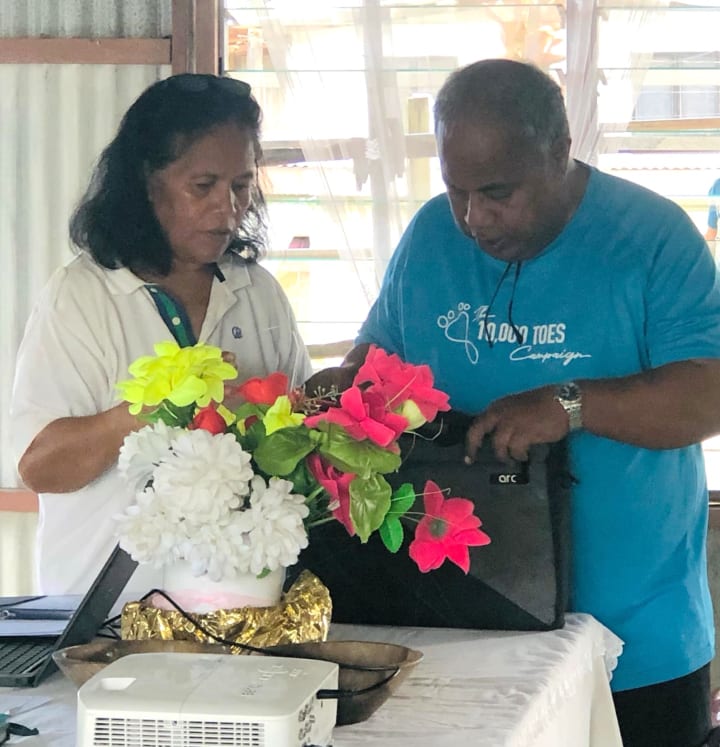
- Training: Provide volunteers with training on basic health checks, including blood pressure, blood sugar levels, Body Mass Index (BMI), and other relevant indicators.
- Certification: Ensure volunteers are well-equipped to conduct screenings and provide preliminary health advice.

Health Screening and Risk Assessment:
Screening Process: Volunteers will conduct house-to-house health screenings in their respective villages. Each village will have designated leaders:
- Tabwewa: Terikano
- Uma: (Additional leader needed)
- Tabiang: Teatu
- Buakonikai: Jope
Risk Categorization: Based on screening results:
- High-risk individuals: Referred to the hospital for further medical evaluation and treatment.
- Low and Medium-risk individuals: Enrolled in a 10-week intervention program focused on lifestyle changes.
10-Week Intervention Program:
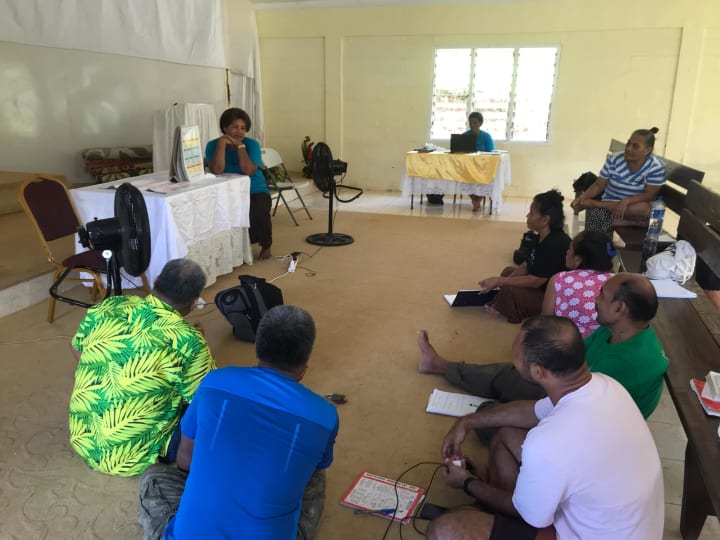
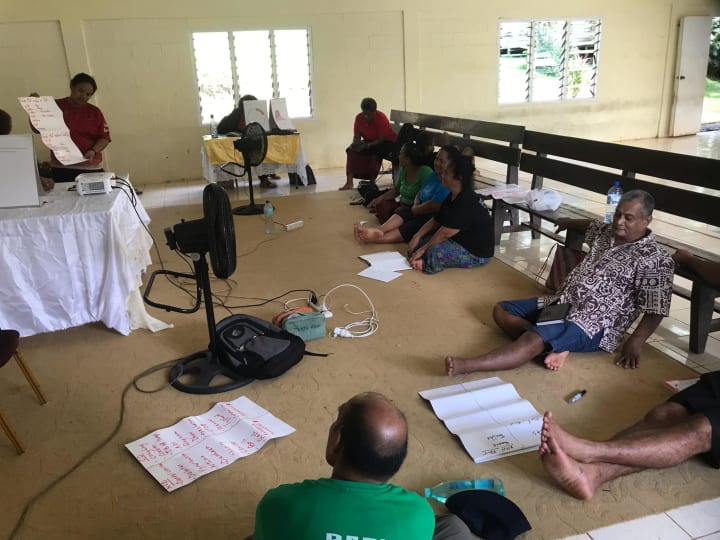
- Educational Sessions: Deliver 18 lessons over 10 weeks, covering topics such as diabetes management, the benefits of plant-based diets, and healthy cooking demonstrations.
- Monitoring and Support: Volunteers will monitor participants' health indicators (e.g., blood sugar levels, blood pressure, weight) throughout the program.
- Backyard Gardening: Empower participants to grow their own food, promoting sustainable and healthy eating habits.

Ongoing Monitoring and Evaluation:
Health Outcome Tracking: At the end of the 10 weeks, re-evaluate participants' health indicators to assess the effectiveness of the intervention.
Cycle Continuation: This program will be repeated in cycles, with new participants being recruited and previous participants being followed up on to ensure long-term success.

4. Target Groups
- Primary: Women and youths in the Rabi Island community.
- Secondary: Broader community members who may benefit from increased health awareness and preventive measures.
5. Resource Requirements
Human Resources: Volunteers, village leaders, health professionals (in collaboration with Rabi Medical Officer).
Materials: Health screening equipment (e.g., blood pressure monitors, glucose meters), educational materials, gardening tools and seeds.
Funding: Support needed for the purchase of materials, training sessions, and ongoing program costs.
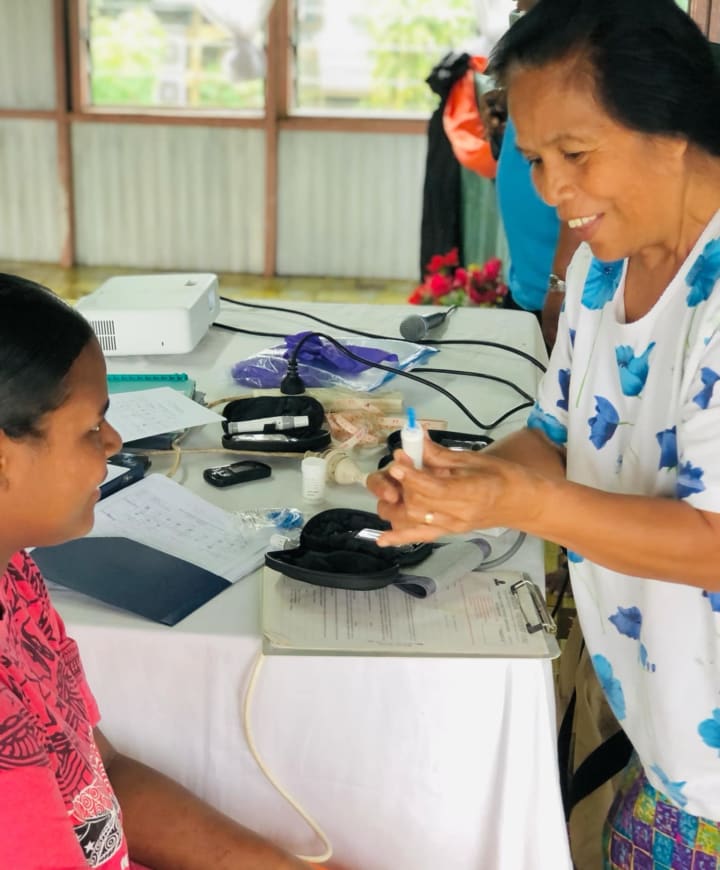
Utilization of Funded Stall: The stall provided by the late Banaban historian Raobeia Ken Sigrah will be utilized by our church women’s health group for free medical screenings and awareness sessions.
6. Timeline
- Phase 1: Recruitment and Training – Months 1-2
- Phase 2: Health Screening and Intervention – Months 3-4
- Phase 3: Monitoring and Evaluation – Months 5-6
- Ongoing: Continue cycles every 6 months for the next 5 years.

7. Expected Outcomes
- Short-Term: Improved knowledge and health outcomes among participants; reduced incidence of high-risk cases.
- Long-Term: A sustainable reduction in the prevalence of type 2 diabetes in Rabi Island through community-led health initiatives.

8. Sustainability
This project is designed to be sustainable by empowering community members with the knowledge and tools they need to maintain their health. By focusing on local resources such as plant-based medicine and backyard gardening, the program fosters long-term health improvements that extend beyond the initial intervention period.

Conclusion
We seek your support as we roll out this critical health initiative. Together, we can prevent, arrest, and reverse type 2 diabetes on Rabi Island, ensuring a healthier future for our community.
Contact:
Teatu Rewi
Email: [email protected]
Rabi Island Health Hub Initiative

10,000 Toes Campaign
The 10,000 Toes Campaign was initially launched by the South Pacific Division of the Adventist Church in Australia and has since expanded across the Pacific, including on Rabi Island. This initiative is being embraced by every church in the region, with each community taking an active role in advancing its goals.
On Rabi, plans are well underway to implement the campaign, with a strong focus on community health and diabetes prevention. The 10,000 Toes Campaign on Rabi is collaborating with key stakeholders, including local leaders, healthcare providers, and community organizations, to ensure the initiative reaches its full potential and positively impacts the health and well-being of the island's residents.
Website: 10,000 Toes Campaign
About the Creator
Stacey King
Stacey King, a published Australian author and historian. Her writing focuses on her mission to build global awareness of the plight of the indigenous Banaban people and her achievements as a businesswoman, entrepreneur and philanthropist.
Keep reading
More stories from Stacey King and writers in Longevity and other communities.
Banaban Landowners Visit their homeland
This 'Snippet’ of Ocean Island history was supplied by Banaban Heritage Society (BHS) [1] member, Marion Laritz from an article written by a fellow Island resident, Mr. R. Williams and published in the local newsletter, The Nautilus, Volume 2, Edition 3, November 1967.
By Stacey King2 years ago in History
The Power of Black Coffee: Benefits, Nutrients, and Uses (Heath Tips)
Introduction: Black coffee is one of the most popular drinks in the world. Millions of people enjoy it every day, especially in the morning, because it helps them feel fresh, active, and focused.
By Health Tips5 days ago in Longevity
Why Didn't Anyone Tell Us
Men, move along. This is not for you. This is for the women. I was forty-five when I began menopause. It is pretty young for that to be going on in a woman’s life, but I had undiagnosed PCOS, my entire life. Thank you to all the gynecologists I had seen my entire life. That in itself should encourage women to keep seeking second opinions, especially when you are not getting correct answers or any at all.
By Alexandra Grant3 days ago in Humans



Comments
There are no comments for this story
Be the first to respond and start the conversation.