
Poor Circulation in Hands and Feet: Here’s What It Really Means
Discover the Causes, Symptoms, and Effective Treatments for Poor Circulation in Hands and Feet to Protect Your Long-Term Health

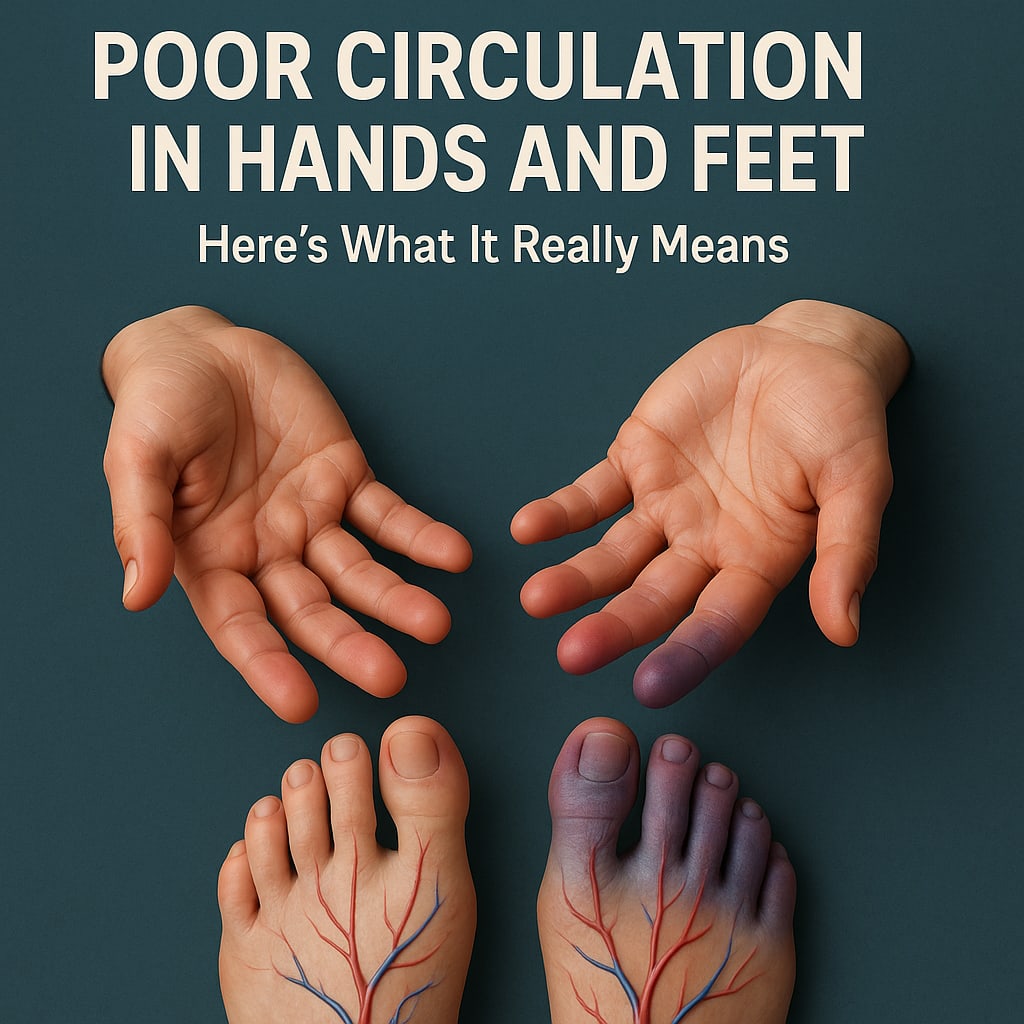
Poor circulation in the hands and feet is more than just a temporary discomfort—it can be a sign of an underlying health condition that needs medical attention. If you've experienced cold extremities, numbness, tingling, or changes in skin color, it's important to understand what your body might be signaling.
This guide will explore the causes, symptoms, potential risks, and treatment options associated with poor circulation in the hands and feet.
What is Poor Circulation?
Poor circulation refers to the inadequate flow of blood to specific parts of the body, commonly the extremities such as the hands and feet. Your circulatory system—comprising the heart, arteries, veins, and capillaries—plays a vital role in delivering oxygen and nutrients to your tissues.
When this system doesn't work efficiently, blood may not reach certain areas as it should, leading to various symptoms and complications.
Signs and Symptoms of Poor Circulation in Hands and Feet
The symptoms of poor circulation can vary depending on the underlying cause, but common indicators include:
- Cold hands and feet, even in warm environments
- Numbness or tingling sensation (often referred to as "pins and needles")
- Swelling in the extremities
- Discoloration (blue or pale hands and feet)
- Weak or throbbing pulse in the affected areas
- Cramping or pain, especially during movement or exercise
- Slow healing of wounds or sores
- Dry, cracked skin or brittle nails
If you notice persistent symptoms, it's essential to consult a healthcare provider to determine the root cause.
What Causes Poor Circulation?
1. Peripheral Artery Disease (PAD)
PAD is one of the most common causes of poor circulation. It occurs when the arteries that carry blood to your limbs become narrowed or blocked due to plaque buildup. This restricts blood flow, particularly to the legs, feet, and sometimes hands. PAD can increase the risk of heart attack, stroke, and limb amputation if left untreated.
2. Diabetes
High blood sugar levels associated with diabetes can damage blood vessels and nerves, leading to poor circulation. Diabetics often experience neuropathy, especially in their feet, which can make them less aware of cuts or infections that can become serious if not treated promptly.
3. Raynaud’s Disease
Raynaud’s is a condition that causes blood vessels in the fingers and toes to narrow in response to cold or stress, leading to limited blood flow. This results in color changes, pain, numbness, and a cold feeling in the affected areas.
4. Blood Clots
A blood clot can partially or completely block the flow of blood in a vein or artery. Depending on its location, a clot can cause circulation problems in the hands, feet, or other areas. Immediate medical treatment is necessary to prevent serious complications like pulmonary embolism or stroke.
5. Obesity
Carrying excess weight can strain the cardiovascular system and hinder proper blood flow. Obesity is also linked with other circulatory issues such as varicose veins, high blood pressure, and increased risk of atherosclerosis.
6. Smoking
Smoking damages the blood vessels and reduces their elasticity, making it harder for blood to circulate effectively. It is a major risk factor for conditions like PAD and heart disease.
7. Sedentary Lifestyle
Lack of movement decreases circulation efficiency, especially in the lower extremities. Prolonged sitting or standing can lead to blood pooling and poor vascular function.
8. Varicose Veins
Varicose veins are enlarged, twisted veins that typically develop in the legs. They occur when valves in the veins become weak or damaged, causing blood to flow backward and pool.
When to See a Doctor
While occasional cold hands or feet may not be serious, persistent symptoms should not be ignored. Seek medical advice if:
- You have consistent numbness or tingling
- Your extremities frequently change color
- You experience pain while walking or at rest
- Sores on your hands or feet take too long to heal
- There’s a sudden onset of symptoms, which could indicate a blood clot
Diagnosing Poor Circulation
A healthcare provider may use several methods to diagnose the underlying issue:
- Physical exam: Observing the color, temperature, and pulse in extremities
- Blood tests: To assess cholesterol, blood sugar, and clotting factors
- Doppler ultrasound: To measure blood flow and detect blockages
- Ankle-brachial index (ABI): Compares blood pressure in the ankle and arm to detect PAD
- Angiography or CT scans: For detailed imaging of the blood vessels
Treatment Options
Treatment depends on the root cause but often includes lifestyle changes, medications, and in some cases, surgery.
Lifestyle Modifications
- Exercise regularly: Improves circulation and cardiovascular health.
- Eat a heart-healthy diet: Focus on fruits, vegetables, whole grains, and lean proteins.
- Stop smoking: Quitting smoking can significantly improve circulation.
- Manage chronic conditions: Control diabetes, hypertension, and cholesterol levels.
- Stay hydrated: Helps maintain blood volume and vascular function.
Medications
Doctors may prescribe:
- Blood thinners to reduce clot risk
- Statins to lower cholesterol
- Medications for high blood pressure or diabetes
- Vasodilators to open blood vessels and improve blood flow
Surgical and Non-Surgical Procedures
- Angioplasty: Opens narrowed arteries using a balloon and stent
- Bypass surgery: Creates a new route for blood to flow around a blocked artery
- Compression therapy: Especially helpful for varicose veins and swelling
Home Remedies and Preventive Care
While not a substitute for medical treatment, certain home practices can support circulation:
- Elevate your feet periodically to reduce swelling
- Wear warm gloves and socks in cold environments
- Practice stress-reducing activities like yoga or meditation
- Avoid tight clothing that restricts blood flow
- Use a standing desk or take frequent breaks from sitting
The Risks of Ignoring Poor Circulation
Left untreated, poor circulation can lead to serious complications such as:
- Chronic pain or disability
- Tissue damage and ulcers
- Increased risk of infection
- Amputation in severe cases
- Cardiovascular events like heart attacks and strokes
Poor circulation in the hands and feet should never be overlooked. While it may sometimes be a harmless, temporary condition, persistent symptoms could signal something more serious.
Early diagnosis and treatment are essential to manage the underlying cause, improve your quality of life, and prevent potentially life-threatening complications.
Taking a proactive approach—through lifestyle changes, medical management, and awareness—can go a long way in keeping your circulatory system healthy and your extremities functioning well.
About the Creator
Richard Bailey
I am currently working on expanding my writing topics and exploring different areas and topics of writing. I have a personal history with a very severe form of treatment-resistant major depressive disorder.
Keep reading
More stories from Richard Bailey and writers in Longevity and other communities.
10 Natural Ways to Improve Blood Circulation Without Medication
Good blood circulation is essential for maintaining a healthy body. It ensures that oxygen and nutrients are efficiently delivered to tissues and organs while waste products are removed. Poor circulation can lead to symptoms such as cold hands and feet, fatigue, muscle cramps, numbness, and even more serious health issues like varicose veins or cardiovascular disease.
By Richard Bailey9 months ago in Longevity
The Hidden Cost of "Safe" Senior Living: When Retirement Dreams Turn Into Legal Battles
Older Americans often view senior housing as a reward after years of effort. These places, such as self-contained apartments or full-service retirement homes, advertise professional care, calm routines, and peace of mind. Loved ones might picture them as quiet refuges.
By William Powell16 minutes ago in Longevity
Guard Your Battery
Why are some people so attractive just by standing there? It’s not because they are "likable," but because they don’t need everyone to like them. I realized later that truly charismatic people allow themselves to be criticized, but they never criticize themselves. They never try to please the world; instead, the world stops to watch them.
By Emily Chan - Life and love sharing2 days ago in Poets


Comments
There are no comments for this story
Be the first to respond and start the conversation.