
Physiological effects of sports massage and muscle recovery in athletes
Sports massage is a professional massage technique specifically designed to optimize physical performance and recovery in athletes.
Introduction
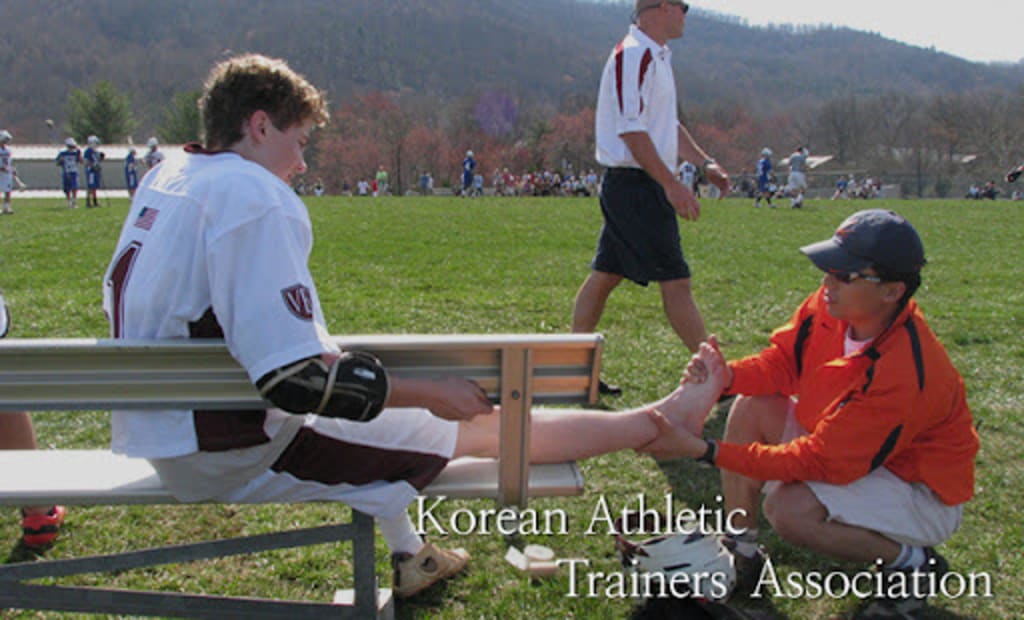
Sports massage is a specialized massage technique specifically designed to optimize the physical performance and recovery of athletes. Unlike simple relaxation or general massage, it is a customized treatment approach that is applied to specific physical conditions before, during, and after exercise.
The main reasons why athletes choose sports massage are as follows: first, it improves muscle flexibility and elasticity to reduce the risk of injury; second, it promotes rapid recovery after exercise; and third, it optimizes the overall physiological function of the body. Sports massage has become an essential management method, especially for athletes who engage in high-intensity training or competitions.
In this study, we will deeply analyze the physiological mechanisms of sports massage, its effects on muscle recovery, and the improvement of exercise performance. We will explore various aspects of sports massage that are not only exclusive to athletes but also have important implications for the management of the body of the general public.
The Importance of Muscle Fatigue and Recovery after Exercise
Muscle fatigue after exercise is the result of a complex physiological process, in which multiple factors interact in a complex manner. The main causes of fatigue can be broadly divided into three:
lactic acid accumulation, muscle microdamage, and metabolic stress.
First, during high-intensity exercise, muscles produce energy in a state of oxygen deficiency, and lactic acid accumulates during this process. Lactic acid accumulation causes an increase in hydrogen ions in the muscles, which reduces muscle contraction ability and accelerates fatigue. Second, muscle microdamage that occurs during exercise refers to small ruptures of muscle fibers, which causes inflammatory responses and pain. Third, metabolic stress includes energy depletion, electrolyte imbalance, and hormonal changes.
Proper recovery is absolutely essential for improving exercise performance. Effective recovery goes beyond simply reducing fatigue, and promotes muscle regeneration and adaptation. This leads to improved exercise performance and reduced risk of injury in the long term.
Sports massage is a very effective intervention method for this recovery process. Massage promotes blood circulation, helps remove waste products from the muscles, and regulates inflammatory responses. In particular, it relieves muscle tension and increases flexibility, accelerating recovery. It also promotes healing of muscle microdamage and helps reduce pain.
Sports massage is an important recovery strategy for both professional athletes and general exercise enthusiasts. Regular massage can support the body’s physiological recovery mechanisms and contribute to improved overall athletic performance.
Improved Blood Circulation
The improved blood circulation effect of sports massage plays a key role in muscle function and recovery. Massage techniques increase the supply of oxygen and nutrients to muscle tissue by dilating blood vessels and promoting blood flow. In this process, muscle cells can regenerate energy more quickly and effectively remove metabolic waste products.
In particular, compression and stroking techniques improve blood circulation by promoting venous return. This accelerates the removal of accumulated lactic acid and inflammatory substances after exercise and supports rapid muscle recovery. As a result, athletes can experience shorter recovery times and improved physical performance.
Improved blood circulation goes beyond simple physiological responses and directly affects overall athletic performance. More efficient nutrient supply and waste removal are key mechanisms that promote functional recovery and adaptation of muscles.
Muscle relaxation and other effects
The muscle relaxation effect of sports massage plays a key role in the management of the athlete's body. Massage techniques fundamentally reduce tension in the muscles through complex physiological mechanisms. They relax the cross-links between muscle fibers and increase the elasticity of connective tissue, improving the overall function of the muscles.
Deep massage techniques induce subtle structural changes in muscle tissue. They stimulate the sensory receptors of the muscle spindle and Golgi apparatus, thereby regulating the level of muscle tension and relieving excessive muscle contraction. In the process, the extensibility of muscle fibers increases, flexibility and range of motion are expanded.
The effect on the nervous system is even more complex. Sports massage is a powerful tool for rebalancing the autonomic nervous system. It optimizes the overall stress response mechanism by reducing excessive activation of the sympathetic nervous system and activating the parasympathetic nervous system. In the process, it promotes the secretion of relaxation hormones such as oxytocin and serotonin, thereby reducing psychological and physiological tension.
Sports massage also has excellent effects in terms of pain management and prevention of muscle stiffness. Deep tissue massage techniques directly target myofascial trigger points, which are the main cause of chronic muscle pain. They regulate the production of inflammatory cytokines and promote tissue regeneration, accelerating the recovery of acute and chronic muscle injuries.
In particular, preventing muscle stiffness is very important for athletes. Regular sports massage maintains muscle elasticity and prevents excessive muscle stiffness. It prevents adhesions between muscle fibers and facilitates muscle gliding, significantly reducing the risk of injury.
These multifaceted physiological effects demonstrate that sports massage is a comprehensive body management strategy that goes beyond a simple relaxation technique. It can play an important role in improving muscle health and overall body function not only for athletes but also for the general public.
Conclusion
This study clearly demonstrated the multidimensional value of sports massage. The complex physiological mechanisms of improved blood circulation, muscle relaxation, and nervous system stimulation play a crucial role in improving performance and recovery in athletes.
Sports massage is no longer the exclusive domain of elite athletes. It is also an important body care strategy for the general public, and can contribute to stress reduction, improved muscle health, and overall well-being. Regular massage is an effective way to support the body's natural healing mechanisms and relieve chronic muscle pain and tension. Future research needs to explore the effects of long-term sports massage on various populations in greater depth. Developing customized massage approaches tailored to an individual's physical characteristics and exercise type will be an important task in the field of sports science.
About the Creator
Mr. choi
I think you can enjoy sports more if you have basic knowledge about sports. I want to create opportunities to learn little by little. I want to provide information such as sports broadcasts and sports news.
Day 4 of Quitting
If this is how sobriety feels, maybe it’s better to go through life a little buzzed… this, along with other hits like, I want to kill myself, I wish I was dead, and I’m going to throw myself off a bridge have been the only thoughts on rotation these past few days. I promise myself that if, in a month, I still feel like this (‘this’ meaning despondent, full of rage, and simultaneously numb) I can go back to smoking. Until mid-February though? Nicotine is off the table.
By sleepy drafts13 days ago in Longevity
How Breathing Became Easier Without Me Noticing When
I cannot point to the exact moment it happened. There was no sudden breath of freshness. No noticeable shift in temperature. No sound of ventilation kicking on. If you had asked me that day whether anything had changed in the room, I would have said no.
By illumipure5 days ago in Longevity



Comments
There are no comments for this story
Be the first to respond and start the conversation.