

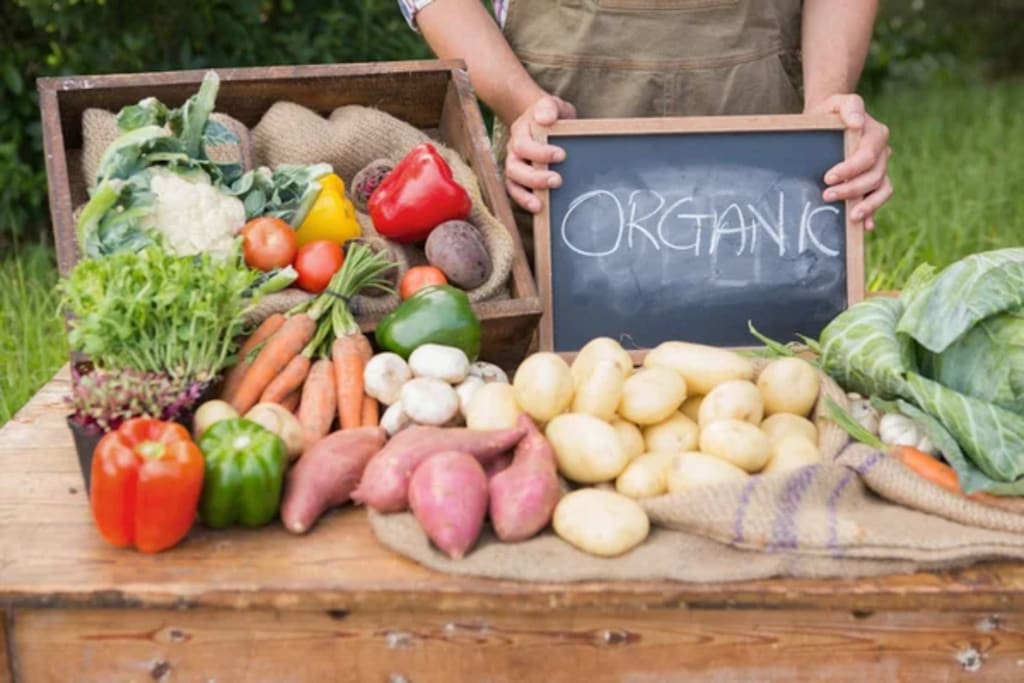
Organic living is a lifestyle choice that promotes the use of natural products, minimizes the use of harmful chemicals and artificial additives, and encourages the consumption of wholesome, nutrient-rich foods. It's a way of life that values sustainability, environmental awareness, and ethical farming practices. In this e-book, we'll explore the principles of organic living and provide practical tips on how to incorporate them into your daily routine.
Chapter 1: Understanding Organic Living
To understand organic living, it's important to know what it means to be organic. Organic refers to the way in which products are grown, processed, and handled. Organic farming practices focus on soil health, biodiversity, and ecological harmony. Organic farming prohibits the use of synthetic pesticides, fertilizers, and genetic engineering. Organic certification standards vary from country to country, but they all have strict guidelines for what can and cannot be considered organic.
Organic living goes beyond just consuming organic food. It involves making conscious choices about the products we use and the impact they have on the environment. Choosing organic products supports sustainable agriculture and reduces the amount of harmful chemicals that enter our ecosystem. Organic living also promotes the use of natural and non-toxic cleaning products, personal care items, and household goods.
Chapter 2: Benefits of Organic Living
The benefits of organic living are many. Here are just a few:
Better for the environment: Organic farming practices promote healthy soil, reduce erosion, and protect biodiversity. Organic farming also reduces greenhouse gas emissions and conserves water.
Better for your health: Organic foods are free from synthetic pesticides, fertilizers, and genetically modified organisms (GMOs). Eating organic foods has been linked to lower levels of pesticide residues in the body and higher nutrient content.
Supports local farmers: Choosing organic products supports local farmers and their families. It also supports the local economy and reduces the carbon footprint associated with transporting goods long distances.
More humane treatment of animals: Organic farming practices prioritize animal welfare and prohibit the use of hormones and antibiotics. Organic certification standards require that animals have access to outdoor spaces, fresh air, and natural feed.
Chapter 3: Incorporating Organic Living into Your Life
Incorporating organic living into your life can seem overwhelming at first, but it doesn't have to be. Here are some practical tips for living an organic lifestyle:
Eat organic food: Eating organic food is one of the most important ways to incorporate organic living into your life. Look for the organic certification label on packaged goods, and shop at local farmers' markets for fresh produce.
Use natural cleaning products: Most conventional cleaning products contain harsh chemicals that can be harmful to your health and the environment. Look for natural cleaning products or make your own with ingredients like vinegar, baking soda, and essential oils.
Choose natural personal care items: Many personal care items, such as shampoo, soap, and toothpaste, contain synthetic fragrances and preservatives. Look for natural alternatives that use plant-based ingredients.
Reduce plastic waste: Plastic waste is a significant environmental problem. Choose reusable bags, containers, and water bottles to reduce your plastic footprint.
Support sustainable fashion: Fast fashion is a major contributor to environmental pollution. Choose sustainable fashion options like clothes made from organic cotton or recycled materials.
Chapter 4: Organic Food
Organic food is grown without the use of synthetic pesticides, fertilizers, and genetically modified organisms (GMOs). Organic farming practices prioritize soil health, biodiversity, and ecological harmony. Here are some tips for incorporating organic food into your diet:
Shop at farmers' markets: Farmers' markets are a great place to find fresh, locally grown produce. Talk to the farmers about their growing practices and ask if they are organic.
Look for the organic certification label.
Click here for everything organic living.
About the Creator
Ian Forbes
Ian Forbes is an accountant and blogger. My blogs are about organic living and living a healther lifestyle.
https://tinyurl.com/2d7yjtbb
Keep reading
More stories from Ian Forbes and writers in Longevity and other communities.
Medical Gardening
Medicinal gardening is the practice of growing plants that have medicinal properties for use in home remedies and alternative medicine. It is a time-honored tradition that has been practiced for centuries, and today, it is gaining in popularity as more people seek natural and holistic remedies for common ailments. In this e-book, we will explore the benefits of medicinal gardening, the different types of medicinal plants that can be grown, and how to cultivate and use them.
By Ian Forbes3 years ago in Earth
Day 4 of Quitting
If this is how sobriety feels, maybe it’s better to go through life a little buzzed… this, along with other hits like, I want to kill myself, I wish I was dead, and I’m going to throw myself off a bridge have been the only thoughts on rotation these past few days. I promise myself that if, in a month, I still feel like this (‘this’ meaning despondent, full of rage, and simultaneously numb) I can go back to smoking. Until mid-February though? Nicotine is off the table.
By sleepy drafts10 days ago in Longevity
Foods to Avoid After Whitening Teeth
A professional teeth whitening treatment can dramatically boost your confidence, whether you’re heading to a business meeting downtown, enjoying a night out in the Blue Dome District, or getting ready for a family event in Broken Arrow. Right after whitening, however, your teeth are more porous and vulnerable to staining. What you eat and drink during the first few days plays a huge role in how long your results last.
By Good health to everyonea day ago in Longevity


Comments
There are no comments for this story
Be the first to respond and start the conversation.