
New Science, New Hope: The Fight to End HIV with CRISPR
One man’s journey from diagnosis to discovery, and how the promise of gene editing is rewriting the future of HIV.

When Daniel M., a 29-year-old graphic designer from San Francisco, first heard the words "You are HIV positive," his world dimmed. The noise of the clinic faded into a low, muffled hum. He had been safe, careful even. But now, his life would change forever.
Or so he thought.
Ten years ago, an HIV diagnosis came with a lifetime of antiretroviral medication, stigma, fear, and uncertainty. But today, Daniel is part of something bigger—a movement driven by science, hope, and groundbreaking innovation. That innovation is called CRISPR, a gene-editing technology that could one day eliminate HIV at its source.
This is not science fiction. It's science fact—on the brink of transformation.
The Rise of CRISPR: Redefining Possibilities
CRISPR (Clustered Regularly Interspaced Short Palindromic Repeats) is a revolutionary gene-editing tool that allows scientists to cut, edit, and rewrite DNA with unparalleled precision. Originally discovered as part of a bacterial defense mechanism, CRISPR has now become one of the most powerful tools in the hands of geneticists and biomedical researchers.
In the case of HIV, the virus embeds itself into the DNA of immune cells, creating what are known as "reservoirs." These reservoirs are why HIV is so hard to cure: they hide, silently, waiting to reactivate if treatment stops.
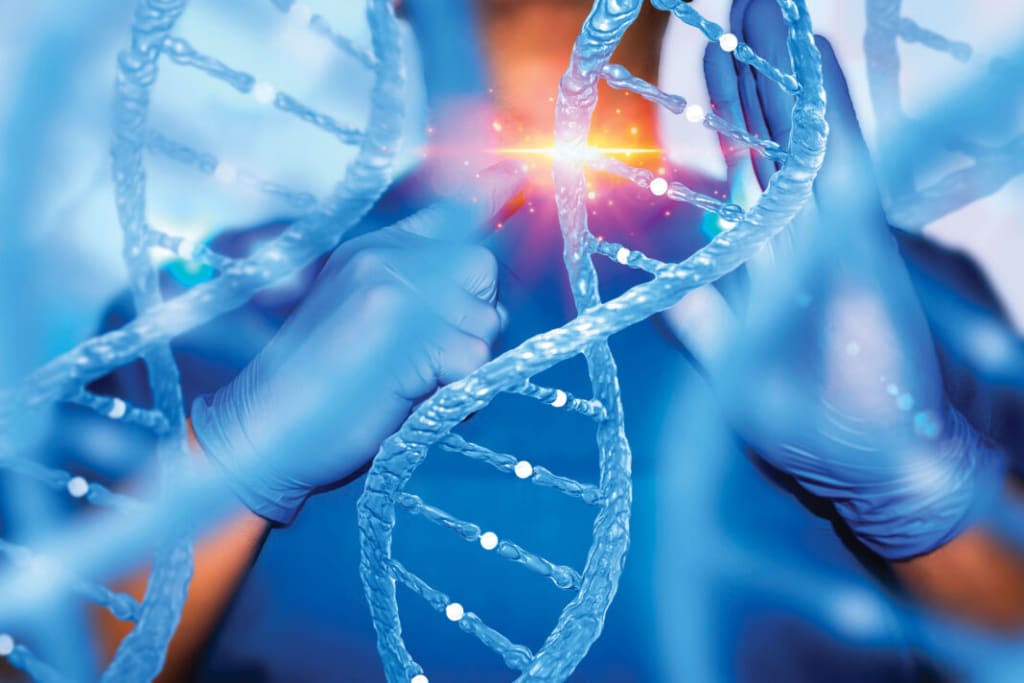
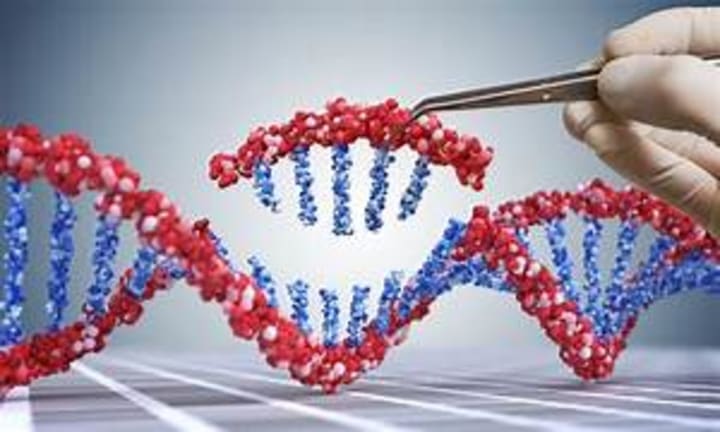
CRISPR offers a unique solution—it can locate and cut out the viral DNA from within these reservoirs, potentially erasing the virus permanently. Scientists liken it to a pair of molecular scissors, trimming away the parts of the genetic code that harbor HIV.
Daniel’s Journey: From Diagnosis to Determination
After the shock of his diagnosis wore off, Daniel did what millions do—he started antiretroviral therapy. The medication kept the virus at bay, but it came with side effects: fatigue, mood swings, and the daily psychological weight of knowing a virus lived inside him.
Then came a breakthrough. In 2024, Daniel was invited to participate in a clinical trial of a new CRISPR-based therapy called EBT-101. Developed by Excision Bio Therapeutics, this treatment aimed to do what had never been done before: cut the virus out of his DNA.
“I remember sitting with the researchers,” Daniel recalls. “They explained how this wasn’t just another pill or injection—it was a one-time gene-editing procedure. A chance to be truly free.”
The treatment involved using harmless viral vectors to deliver CRISPR components into Daniel’s body. These components were programmed to seek out and remove three key regions of HIV DNA that were essential for its replication. The goal was simple: if those regions could be removed, the virus could no longer function.
Weeks passed. Blood tests followed. Then, something unbelievable happened—Daniel’s viral load dropped to undetectable levels. More importantly, when antiretroviral therapy was paused under medical supervision, the virus did not return.
The Science Behind the Breakthrough
EBT-101 and other CRISPR-based therapies target HIV at the genetic level. Most current HIV treatments suppress the virus, but they don't remove it. CRISPR changes the game by:
Identifying HIV DNA: Using guide RNAs to find and bind to specific sequences of the HIV genome.
Cutting the DNA: Using an enzyme called Cas9 to cut the viral DNA out of the host’s genome.
Repairing the DNA: Once the virus is removed, the cell’s natural repair mechanisms stitch the genome back together.
This technique has shown promise not only in labs but also in animal models. Mice and non-human primates treated with CRISPR have shown long-term viral suppression or complete clearance.
Still, it's early. Larger human trials are ongoing, and scientists remain cautious. But the data is promising. Some even call it the most significant step toward a cure since the discovery of antiretroviral therapy.
A New Era: Science with Soul
Daniel’s story is not just one of science—it’s one of resilience, hope, and the belief that we are not defined by our diagnoses. The possibility of curing HIV through CRISPR is about more than medical progress. It's about dignity. It's about freedom.
More than 38 million people live with HIV globally. Many still face stigma, limited access to care, and the psychological burden of a lifelong condition. A permanent cure could transform not just individual lives but entire communities.
And while we are not there yet, the path has never looked clearer.
What You Should Know
CRISPR is not a miracle yet, but it is a monumental step forward.
Early trials show safety and some effectiveness, but more testing is needed before widespread use.
The cost, accessibility, and ethics of gene editing are still being debated.
You can help by supporting research, donating to HIV foundations, or simply educating others.
The Takeaway
The lesson from Daniel’s story and the science behind it is simple: never stop believing in progress. The world is full of people who once faced hopeless diagnoses—cancer, diabetes, genetic disorders—only to see new therapies change their futures.
HIV is no longer a death sentence. And thanks to CRISPR, one day it may not even be a life sentence.
Daniel now travels and speaks about his experience. He shares his journey not because he’s cured, but because he carries something far more contagious than a virus: hope.
As he puts it, “I used to ask, ‘Why me?’ Now I ask, ‘What can I do with this second chance?’”
Let us all ask the same.
Author’s Note:
This article is based on current scientific research and emerging clinical trials. For the latest updates, consult reputable health organizations such as the NIH, WHO, or the CDC.
Tags: CRISPR, HIV Cure, Gene Editing, Science Innovation, Medical Breakthrough, Health & Wellness.
About the Creator
Salman khan
Hello This is Salman Khan * " Writer of Words That Matter"
Bringing stories to life—one emotion, one idea, one truth at a time. Whether it's fiction, personal journeys.
Keep reading
More stories from Salman khan and writers in Longevity and other communities.
Hepatitis C: The Cure Is Possible, but Awareness Is Key
I never thought much about the liver. It was just another organ doing its job quietly in the background, like a backstage crew member you forget is there until the show falls apart. I didn’t know what hepatitis C really was. I’d heard the name tossed around in medical shows or health pamphlets at the clinic, but I never imagined it would change my life—or save it.
By Salman khan8 months ago in Longevity
Beginner Workout Routine at Home Without Equipment (Step-by-Step Full Body Guide)
Introduction Starting a fitness journey can feel overwhelming, especially for beginners who do not have access to a gym or expensive workout equipment. Many people want to improve their health and strength but are unsure where to begin or worry that working out at home may not be effective. The good news is that you do not need a gym membership or specialized machines to build a strong and healthy body. A well-structured beginner workout routine at home without equipment can help you develop strength, improve endurance, and establish a sustainable fitness habit.
By Core Well Fit3 days ago in Longevity
🧓 The Best Breakfast for the Elderly
Breakfast is often called the most important meal of the day, and for older adults, it plays an even bigger role in maintaining health and energy. After a long night without food, the body needs nutrients to restore energy levels and support normal body functions.
By Being Inquisitivea day ago in Longevity


Comments
There are no comments for this story
Be the first to respond and start the conversation.