
Mood-Boosting Foods: How to Incorporate Practical Tips
Improve the Quality of Life by Boosting Mood Regularly


Food is more than just fuel for our bodies. It also affects our mood and mental health. Certain foods can lift our mood, reduce anxiety, and fight depression. This article will share tips on adding mood-boosting foods to your diet. We'll also explore how these foods impact our mental health.
Understanding Mood-Boosting Foods
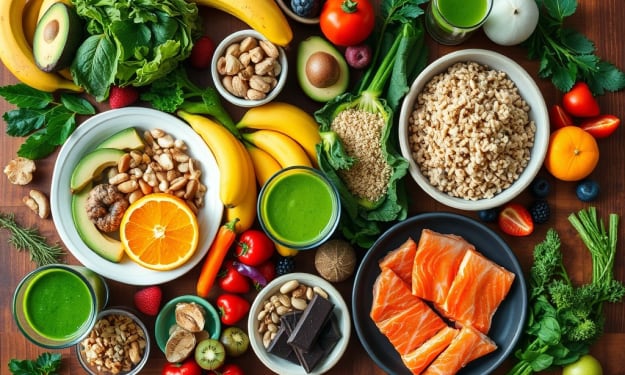
First, let's learn about mood-boosting foods. These foods can increase serotonin levels, reduce inflammation, and support brain health. Key nutrients in these foods include:
- Omega-3 Fatty Acids: Found in fatty fish, flaxseeds, and walnuts, omega-3s are known for their anti-inflammatory properties and their role in brain health.
- Antioxidants: Foods high in antioxidants, such as berries, nuts, and dark chocolate, can help combat oxidative stress, which is linked to mood disorders.
- B Vitamins: B vitamins, especially B6, B12, and folate, are crucial for brain function and the synthesis of neurotransmitters.
- Tryptophan: This amino acid, found in turkey, dairy, and nuts, is a precursor to serotonin, often referred to as the "feel-good" hormone.
- Fiber: A diet high in fiber can improve gut health, which is increasingly recognized as a vital factor in mental health.
The Gut-Brain Connection
Recent research shows a strong link between gut health and mental health. The gut microbiome, a complex community of microorganisms in our digestive system, can influence everything from inflammation to mood. Eating a diet rich in fiber, probiotics, and prebiotics supports a healthy gut. This can enhance mood and cognitive function.
Practical Tips for Incorporating Mood-Boosting Foods
Here are some practical tips to help you incorporate mood-boosting foods into your daily routine:
1. Start Your Day with a Nutritious Breakfast
A balanced breakfast sets the tone for the day. Include foods rich in protein, healthy fats, and complex carbohydrates.
- Examples: Greek yogurt with berries and nuts, oatmeal topped with banana and almond butter, or a smoothie made with spinach, banana, and chia seeds.
2. Snack Wisely
Instead of reaching for sugary snacks, opt for mood-boosting options that provide sustained energy.
- Snack Ideas: Hummus with carrot sticks, a handful of nuts, or dark chocolate with a piece of fruit.
3. Incorporate Fatty Fish into Your Meals
Fatty fish like salmon, mackerel, and sardines are rich in omega-3 fatty acids.
- Cooking Tips: Grill, bake, or add to salads. Aim for at least two servings of fatty fish per week.
4. Add More Fruits and Vegetables
Fruits and vegetables are packed with vitamins, minerals, and antioxidants that promote brain health.
- Tip: Aim for a colorful plate; different colors often represent different nutrients. Try to include leafy greens, berries, and citrus fruits.
5. Use Whole Grains
Whole grains like quinoa, brown rice, and whole wheat bread provide fiber and help regulate blood sugar levels, which can impact mood.
- Cooking Tip: Substitute white rice with quinoa or brown rice, and choose whole grain bread for sandwiches.
6. Experiment with Fermented Foods
Fermented foods are full of probiotics. These can make your gut health better.
- Examples: Yogurt, kefir, sauerkraut, kimchi, and kombucha. Try adding these to your meals or snacks.
7. Limit Processed Foods and Sugars
Too much sugar and processed foods can make you feel tired and moody.
- Tip: Read labels and try to limit foods with added sugars and artificial ingredients.
8. Stay Hydrated
Not drinking enough water can make you feel bad and affect your thinking.
- Tip: Aim for at least eight glasses of water daily. Herbal teas can also be a great option.
9. Mindful Eating Practices
Eating mindfully can make you enjoy food more and feel better.
- How to Practice: Take time to savor each bite, reduce distractions during meals, and listen to your body’s hunger signals.
10. Cooking Together
Cooking can be very relaxing. Cooking with family or friends can also make you feel closer to them.
- Tip: Plan a weekly cooking night where everyone contributes a mood-boosting dish.
11. Explore New Recipes
Trying new recipes can make your meals exciting. It also lets you try different foods that can make you feel better.
- Tip: Look for seasonal recipes that highlight fresh produce.
12. Plan Your Meals
Planning your meals can help you stick to your diet goals.
- Tip: Set aside time each week to plan your meals, focusing on including a variety of mood-boosting ingredients.
13. Enhance with Herbs and Spices
Herbs and spices add flavor and are good for your health.
- Examples: Turmeric is known for its anti-inflammatory properties, while ginger can aid digestion.
14. Balance Your Plate
Make sure your meals have protein, healthy fats, and carbs.
- Tip: Use the plate method: fill half your plate with vegetables, a quarter with protein, and a quarter with whole grains.
15. Limit Alcohol and Caffeine
Too much alcohol and caffeine can make you feel down.
- Tip: If you enjoy these beverages, try to consume them in moderation and be mindful of their effects on your mood.
Conclusion
Adding mood-boosting foods to your diet is easy. Small changes and being mindful of what you eat can greatly improve your mood and mental health. The key is to be consistent and try different things.
Try new foods, explore recipes, and see how your body reacts. Eating a balanced diet with mood-boosting foods can make you happier and healthier. Start your journey to find out how food can improve your mental health.
About the Creator
Juma Killaghai
Juma Killaghai is a research chemist with over 30 years of experience in the field of research and development. He has a Master’s degree - Organic chemistry, from the University of Dar es Salaam. He resides in Dar es Salaam, Tanzania
Keep reading
More stories from Juma Killaghai and writers in Longevity and other communities.
Feel-Good Foods: What you need to know
In today's world, "feel-good foods" are often talked about for mental health and nutrition. But what makes some foods make us feel better? The link between diet and mental health is complex. It involves biochemical reactions, psychological effects, and cultural influences.
By Juma Killaghaiabout a year ago in Longevity
Doctors Hate How Simple This Longevity Secret Is (But It Might Add Years to Your Life)
Longevity has become one of the most talked-about topics in modern health. Everywhere you look, there are promises of anti-aging breakthroughs, advanced supplements, and complex routines designed to extend life. It creates the impression that living longer is complicated—something reserved for those with access to the latest science and unlimited resources.
By Lukáš Hrdlička6 days ago in Longevity
Scientists Are Shocked: This “Boring” Lifestyle Secret Might Be the Real Key to Living Longer
When people search for ways to live longer, they often expect something groundbreaking—a newly discovered supplement, a futuristic treatment, or a secret used by the ultra-wealthy. The idea that longevity could come down to simple, everyday habits feels almost disappointing.
By Lukáš Hrdlička6 days ago in Longevity


Comments (1)
Hello, just wanna let you know that if we use AI, then we have to choose the AI-Generated tag before publishing 😊