
Feel-Good Foods: What you need to know
How Diet Influences Mood

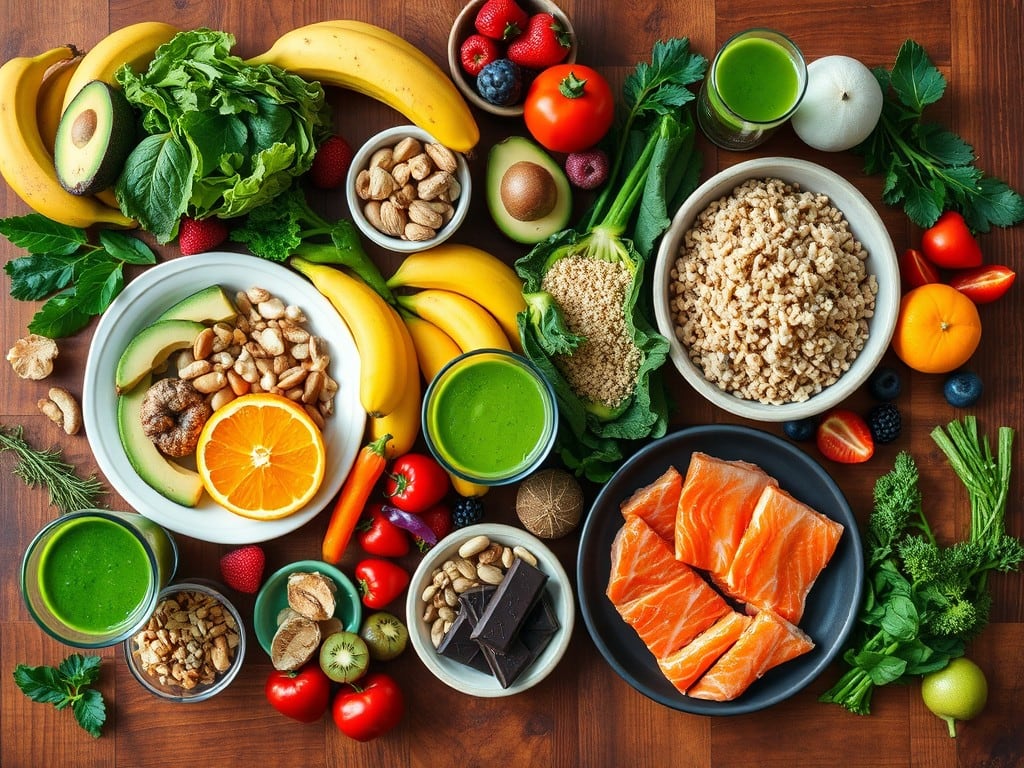
In today's world, "feel-good foods" are often talked about for mental health and nutrition. But what makes some foods make us feel better? The link between diet and mental health is complex. It involves biochemical reactions, psychological effects, and cultural influences.
This article looks into the science of feel-good foods. We'll see how certain nutrients and diets can improve our mood and mental health.
Understanding Mood and Its Influences
First, let's understand mood and what affects it. Mood is a temporary feeling influenced by genetics, environment, and diet. The brain needs nutrients to work well. So, what we eat affects our brain health and mood.
The Gut-Brain Connection
The gut-brain axis is the connection between our gut and brain. Research shows gut health is key to mental health. The gut microbiome, with trillions of bacteria, affects neurotransmitter production, like serotonin.
About 90% of serotonin is made in the gut. This shows how important gut health is for our mood.
Serotonin and Its Role in Mood
Serotonin helps control mood, anxiety, and happiness. A healthy gut microbiome supports serotonin levels. But, gut health issues can lower serotonin, leading to depression and anxiety.
This highlights the need for a diet rich in probiotics and prebiotics for a healthy gut.
Nutrients That Boost Mood
Several nutrients are good for mood. Here are some key ones:
1. Omega-3 Fatty Acids
Omega-3s, found in fish, flaxseeds, and walnuts, are anti-inflammatory. They may help reduce depression and anxiety symptoms. Omega-3s affect brain function and neurotransmitters, helping regulate mood.
2. B Vitamins
B vitamins, like B6, B12, and folate, are crucial for brain health. They help make neurotransmitters and regulate mood. A lack of these vitamins can lead to depression and anxiety. Foods rich in B vitamins include leafy greens, legumes, eggs, dairy, and fortified cereals.
3. Vitamin D
Vitamin D, or the "sunshine vitamin," is vital for mental health. Low vitamin D levels are linked to depression. You can get vitamin D from sunlight, fatty fish, fortified foods, and supplements.
4. Antioxidants
Antioxidants, like vitamins C and E, fight oxidative stress, which harms brain function. Berries, nuts, dark chocolate, and green leafy vegetables are full of antioxidants. They can improve mood and brain function.
5. Amino Acids
Amino acids, the protein building blocks, are important for neurotransmitter production. Tryptophan, for example, helps make serotonin. Foods high in protein, like turkey, chicken, eggs, and dairy, can increase tryptophan levels. This may boost serotonin and mood.
The Role of Sugar and Processed Foods
Some foods can make us feel good, but others can harm our mood. Eating too much sugar and processed foods can lead to mood swings, anxiety, and depression. These foods can cause blood sugar spikes and crashes, making us feel irritable and tired.
The Impact of Sugar
Sugar gives a quick energy boost but then crashes, affecting mood. Too much sugar also causes inflammation and oxidative stress, which can lead to mood disorders.
Processed Foods and Mental Health
Processed foods often have unhealthy fats, sugars, and additives. These can harm gut health and cause inflammation. Studies show that eating too much of these foods can lead to depression and anxiety. Eating whole, unprocessed foods is key for both physical and mental health.
Dietary Patterns That Promote Well-Being
Certain diets can help improve mental health. Here are some effective ones:
1. Mediterranean Diet
The Mediterranean diet focuses on whole foods, healthy fats, and lean proteins. It also includes lots of fruits and vegetables. Research shows it lowers depression risk and boosts mood. Its antioxidants, omega-3s, and fiber are good for mental health.
2. Plant-Based Diets
Plant-based diets are rich in fruits, vegetables, and whole grains. They're linked to better mood and less depression. These diets support gut health with fiber, vitamins, and minerals.
3. Mindful Eating
Mindful eating makes you think about your food choices. It can make eating more enjoyable and help control emotional eating. This approach can improve your mental health by creating a positive food relationship.
The Psychological Impact of Food
Food has more than just physical effects. It also has emotional and psychological impacts. Comfort foods, for example, can bring back happy memories. But relying on them too much can lead to unhealthy eating.
The Power of Social Eating
Eating with family and friends can make food more enjoyable and lift your mood. Social eating helps with mental health by creating a sense of belonging. It can fight off feelings of loneliness and improve overall well-being.
Conclusion
The link between diet, gut health, and mental well-being is complex. Understanding mood-supporting nutrients and adopting healthy diets is crucial. This way, people can make choices that boost their mental and emotional health.
Improving mental health through nutrition is a personal journey. Everyone reacts differently to food. But focusing on whole foods and building a positive food relationship can help. This approach can support mental health and enhance life quality.
About the Creator
Juma Killaghai
Juma Killaghai is a research chemist with over 30 years of experience in the field of research and development. He has a Master’s degree - Organic chemistry, from the University of Dar es Salaam. He resides in Dar es Salaam, Tanzania
Keep reading
More stories from Juma Killaghai and writers in Longevity and other communities.
Nutrition And Stress Management: What You Need to Know
Stress is a big part of our lives today. It comes from work and personal life, affecting our health. Nutrition plays a key role in how we handle stress. What we eat can change our mood and how we feel.
By Juma Killaghaiabout a year ago in Longevity
Calling vs Income
There is a tension that never quite goes away once it has been seen clearly, and it sits at the intersection of calling and survival. Some forms of work feel unquestionably meaningful, even necessary, yet remain economically fragile or entirely unsupported. Other forms of work provide stability, predictability, and income, while feeling hollow or misaligned with who a person actually is. Once this divide becomes visible, it is difficult to unsee, and even harder to navigate honestly without resentment creeping in.
By Peter Thwing - Host of the FST Podcastabout 21 hours ago in Longevity
What Happens to Your Blood Sugar When You Skip Breakfast
Skipping breakfast may affect blood sugar regulation, especially in people with metabolic conditions. Some people experience higher glucose spikes and increased hunger later in the day. Meal timing that aligns with your natural rhythms may support steadier energy and metabolism.
By Good health to everyonea day ago in Longevity




Comments
There are no comments for this story
Be the first to respond and start the conversation.