
Microplastic found in human blood first time
What is microplastic?
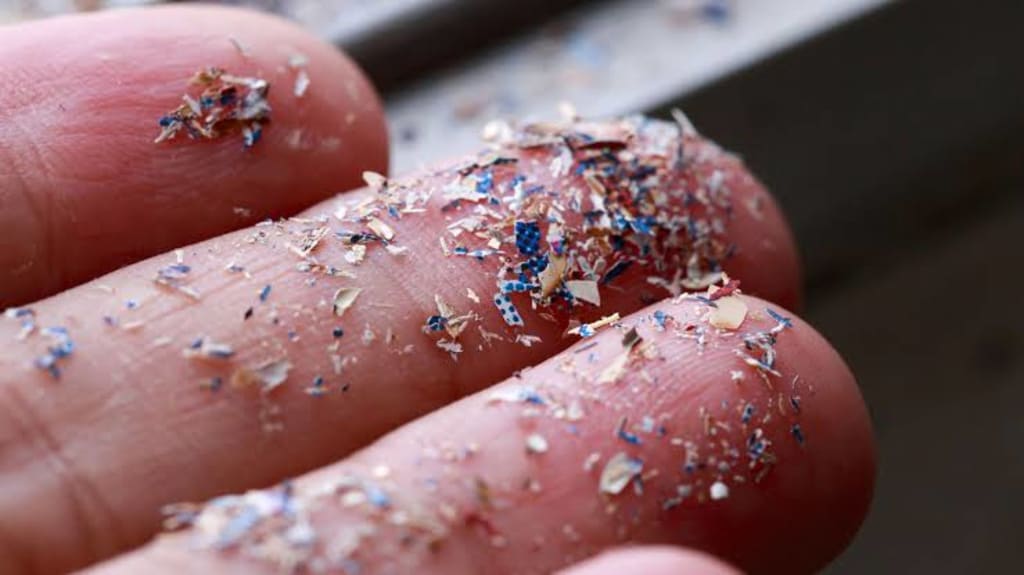
According to a research conducted by an institute of Netherland, microplastic has been found in human blood first time. The scientists conducted this research on 22 people's blood sample. As a result microplastic particles were found in 17 people's blood. But how these plastics reached in the blood? Or will these particles cause any health complications? And what should humans do in this situation.
From high mountains to the deepest ocean,plastic has been reached almost everywhere. It is not only harmful to nature but it is also dangerous for humans survival as well. A day before an information reveled that microplastic were found in a newborn baby placenta. Not only this but the bottles which are used as baby feeders also contains microplastic. But first let's understand what microplastic is?
What is microplastic?
The particles of plastic that are less than 5 mm in diameter are called microplastic. These microplastic are mostly shed from large plastic bags and enters in our body through various ways. Sometimes these microplastic are as small as even we can't see them with our naked eyes. Actually microplastic were found in human body far before, but now it has reached in blood which is a very serious issue. Because blood circulate throughout the body due to which these microplastic can reach in any cell or organ and can damage it. There are probably 8 points through which microplastic enters in the body.
1. Plastic container in microwave
When we put our food in a plastic container in microwave for heating. It sheds microplastic which get mixed with the food. There are some plastic containers which have microwave safe signs that shows that these plastic containers don't melt in microwave, but they still shed microplastic. So it is necessary to take care of yourself by not eating up the food in plastic container.
2. Drinking water or milk in plastic container
Nowadays variety of fancy plastic cups, bottle and mugs are available in the market. But when any hot object such as coffee or tea is poured in these plastics containers, there is a chance of microplastic leaching from these cups. So always prefer glass or other materials containers for you food to avoid microplastic for your body.
3. Through tea bags
According to a research of McGill university, the tea bags which are used for make tea, can shed about 11.6 billion microplastic at a time. Before tea bags were made up of paper only, but there had been always a complain that these paper bags get damaged in water. So according to demand, most of the Brand started using polypropylene in these bags and from research it was found that these bags shed microplastics.
4. Plastic pet bottle
In a recent study, 259 bottle were examined in 9 countries and the results were shocking. Because in 93% bottle, the signs of microplastic particles were found. And on an average 10. 4 microplastic were found in every liter. It means through these plastics pack water bottle, we are consuming microplastic.
5. Through plastic packaging
Most of our food products comes in plastic packaging. There is also a high chance of leaching microplastic from these plastics rappers. That's why many times camping were held to avoid plastic bags. Not only the food but the process of these plastics bags manufacturing also shed microplastic in the air as well. Yes, a research has found that microplastic are also present in the air which enters in our body by breathing.
We know it is a messed up because we don't have valid solution to completely avoid plastic usage because now it has been a part of our living. But by caring we can overcome the complications impact of microplastic.
About the Creator
Parveen Baloch
MPhil/Zoology, Freelance writer
Keep reading
More stories from Parveen Baloch and writers in Longevity and other communities.
"An apple a day keeps doctor" away True or false?
"An apple a day keeps doctor away" this is a quote which we have been hearing since our childhood, but what if I say, today we are going to doctors due to eating apples. But how? Before this first let's get some important information about apples.
By Parveen Baloch 2 years ago in Longevity
Day 4 of Quitting
If this is how sobriety feels, maybe it’s better to go through life a little buzzed… this, along with other hits like, I want to kill myself, I wish I was dead, and I’m going to throw myself off a bridge have been the only thoughts on rotation these past few days. I promise myself that if, in a month, I still feel like this (‘this’ meaning despondent, full of rage, and simultaneously numb) I can go back to smoking. Until mid-February though? Nicotine is off the table.
By sleepy drafts9 days ago in Longevity
Miss Persephone's Manual to a Seemingly Ordinary Life
Miss Persephone was found at the dining table, her blue eyes swollen, her tears arriving and retreating like the tides of the ocean. Earlier that day, her family had visited her in the retirement home where she had lived for eight years. It was her eightieth birthday.
By Imola Tótha day ago in Fiction



Comments
There are no comments for this story
Be the first to respond and start the conversation.