
Medicinal Herbs and How They Heal
Glossary of Herbal Actions, Terms from Adaptogen – Vulnerary

If you read about medicinal herbs you are bound to encounter unusual terms such as adaptogen and rubefacient, and understanding these terms is the key to determining how they can best be used.
While the modern pharmaceutical industry expends much effort examining various plants to discover how and why their properties work, the herbalist, in his more ancient practice, uses an approach which categorizes plants according to what types of conditions they may help to treat. This approach makes herbal medicine a more benign and nutritive approach than that of modern medicine for strengthening the body and dealing with disease.
There are several ways in which the body responds to treatment with medicinal herbs. For instance, particular herbs are used to stimulate, tone, purify or purge. Some herbs are especially helpful in controlling the balance of fluids within the body.
The method of categorizing herbs based upon their properties is known as “actions”. A materia medica will tell the reader which actions particular herbs possess, but understanding what each action means is paramount in choosing which medicinal herbs can be useful in given situations. Familiarity with these actions and the herbs that possess them makes it possible to choose a course of herbal therapy that can establish and maintain homeostasis.
Categories of Herbal Action: Adaptogen - Vulnerary
- Adaptogen – herbs with an adaptogenic action work by supporting the adrenal glands. As the name implies, they assist the body in adapting to stressors which might otherwise lead to physical exhaustion, compromised immune function, or even collapse. Panax Gensing is an example.
- Analgesic (also, Anodynes) – these are herbs whose actions work to reduce pain. Examples include White Willow from which aspirin is made, and Hops.
- Anthelmintic – anthelmintically acting herbs work to rid the digestive tract of parasitic worms. Black Walnut and Wormwood are two examples of anthelmintic herbs.
- Alterative – alteratives help to restore balance within the body by supporting the various organs and bodily systems’ natural functions. Some alteratives support processes of waste elimination in the skin, lungs, kidneys, and bowels. Others assist the immune system in that they possess antimicrobial properties. Examples of alteratives are Cleavers and Burdock.
- Anticatarrhal – anticatarrhals work to remove excess mucus accumulations from anywhere within the body. While healthy amounts of mucus are desirable, and even necessary, when excessive amounts of mucus build up it usually is an indication of an immune response within the body. When the mucus accumulation is too great it can lead to serious disease states such as malabsorption of nutrients in the bowel, bronchitis or pneumonia. Eyebright, Sassafras and Goldenseal are common anticatarrhals.
- Anti-inflammatory – as the name suggests, anti-inflammatories soothe inflammation. Inflammation is generally indicated by a combination heat, redness, itching or pain, and possibly fever. While anti-inflammatory herbs help to soothe the discomfort of inflammation and support the body’s natural response to the offending agent, they do not work to stop the body’s attempt at self-defense. White Willow and Butchers Broom are both anti-inflammatory herbs.

- Antimicrobial – antimicrobial herbs assist the body in its efforts to resist or rid itself of disease causing micro-organisms such as bacteria, molds, viruses, and parasites. A few antimicrobials act as specific poisons toward certain invaders, but for the most part, antimicrobial herbs help the body resist infection and support the body in mounting its own immune response. Echinacea, St. John’s Wort, and Garlic possess such attributes.
- Antispasmodic – antispasmodics ease muscle tension, reduce muscle spasm and alleviate cramping. Some antispasmodics have a generalized effect, and work on easing tension throughout the body while others tend to be more organ-specific. Many antispasmodics are also “nervines” which make them helpful in relieving emotional tension as well.
- Antiemetic – these herbs work to relieve nausea and vomiting. Ginger and Fennel are antiemetic herbs.
- Anti-galactagogue – such herbs prevent or reduce milk production in the mammary glands. Two examples of herbal anti-galactagogues are Sage and Black Walnut.
- Antilithic – herbs possessing antilithic action help to prevent the formation of stones and gravel, or remove them from the urinary tract. Gravel Root and Stone Root are common antilithics.
- Antineoplastic – these herbs act to aid the body to inhibit and fight against tumor development. Shitake mushroom has shown itself to act in this way.
- Antiseptic – the action of antiseptic herbs help to prevent and resist bacterial growth, when applied to damaged skin. Myrrh and cloves are both antiseptic.
- Astringent – as nearly any teenage girl can tell, witch hazel is an astringent, and it helps to support the health and integrity of the skin; thus her healthy teenaged glow! Astringents do their work via the binding action they have on mucus membranes, skin and other tissues. Astringents possess substances known as tannins which reduce inflammation and create a barrier against infectious agents.
- Aphrodisiac – herbs used to stimulate sexual potency are known as aphrodisiacs. Ginseng and Yohimbe are considered aphrodisiacs.
- Aromatic – aromatic herbs have strong and often pleasant aromas. Some aromatic herbs such as Garlic, Anise, and Peppermint are useful to stimulate appetite by increasing the flow of digestive juices.
- Bitter – bitter tasting herbs are some of the most useful herbs available in the interest of preventative medicine. The bitter taste of these herbs causes a response in the central nervous system that initiates a cascade of other beneficial actions within the body. Bitter herbs stimulate the release of enzymes which are key to proper digestion, they stimulate the appetite and the flow of gastric juices, they stimulate bile production, and they are supportive of the liver’s role in detoxifying the blood. Gentian Root and Agrimony are two examples of herbs with bitter actions.
- Carminative – carminative herbs are often those possessing abundant stores of volatile oils that stimulate the digestive organs to perform at their optimal levels. These herbs work to relieve griping, remove excess gas from the stomach and bowels, soothe irritated gut walls and generally help to reduce inflammation within the digestive tract. Garlic and Thyme are two common carminatives.
- Cardiac Tonic – these are herbs that act beneficially on the heart. Some herbs which fall in this category are quite powerful, such as Foxglove. Others, like Motherwort and Hawthorn, are safer and far gentler in their actions.
- Cathartic – cathartics are used to purge the bowels and stimulate glandular secretions. Rhubarb and Senna are common cathartic herbs.
- Cholagogue – cholagogues have an action which stimulates the release and secretion of bile from the gall bladder. Some of these also possess a laxative action, as well.

- Demulcent – because of their soothing action, demulcents have a wide range of potential uses. Some of these are in preventing diarrhea, soothing the entire length of the gastrointestinal tract, relaxing bronchial tension to ease coughing and fortifying the stomach against gastric acids. Marshmallow and Sassafras Pith are both demulcent herbs.
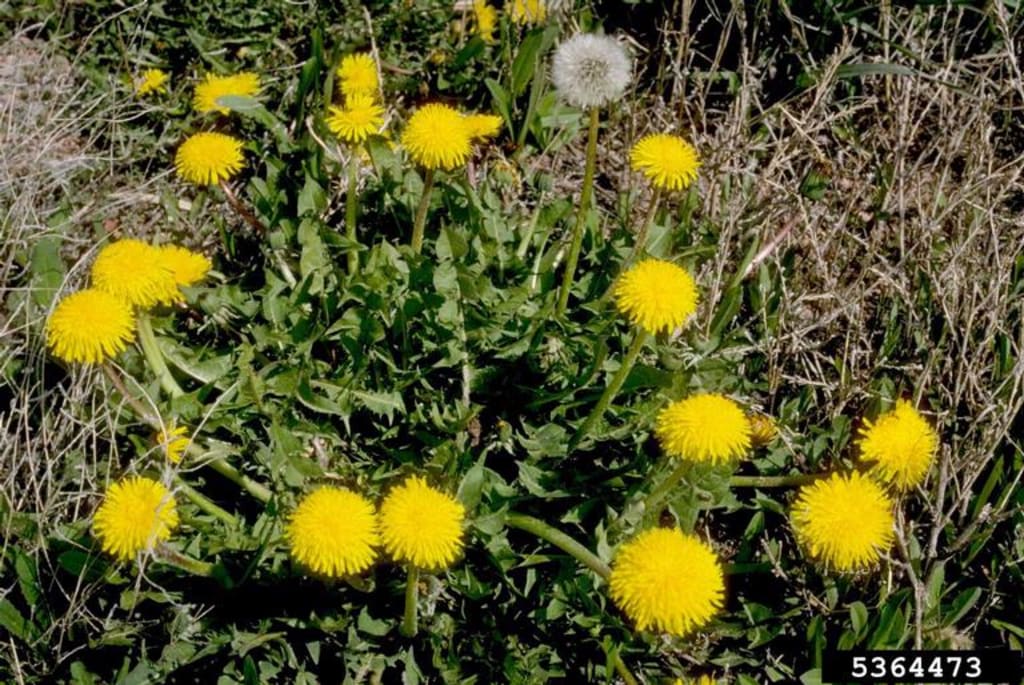
- Depurative – herbs that have a depurative action are those which are useful for cleansing the blood. Some are useful as spring tonics and some are used in recovery from a crisis illness. Dandelion, Garlic and Blessed Thistle are a few of the depurative herbs.
- Diaphoretic – diaphoretics promote the elimination of toxins by the skin by promoting sweating, which aids the body in its efforts to maintain a healthy internal environment. This helps to decrease the work load of the kidneys and liver. Some diaphoretics only aid in supporting normal, healthy, perspiration. Others actively accelerate the perspiration process. To achieve this result of increased perspiration the diaphoretic also must dilate the skin’s surface capillaries which improves blood circulation to areas like the extremities. Ginger is a well known diaphoretic herb.
- Diuretic – herbs that are diuretic in action are generally supportive of the urinary tract and they help to increase the production and elimination of urine. The benefit of this action is that it aids the body in eliminating waste and toxic substances, as well as supporting the body’s ability to maintain a healthy balance of fluid within its tissues. Dandelion is often employed for its diuretic properties.
- Emetic – emetic herbs are used to cause vomiting, as in some cases of accidental poisoning.
- Emmenagogue – emmenagogues have a toning and normalizing effect on the female reproductive system. They are especially helpful in stimulating delayed or difficult menstruation. Black Cohosh and Pennyroyal can be useful emmenagogues.
- Emollient – emollient herbs are those which when applied to the skin, help to soften, soothe, and protect it. Flaxseed and Kelp can be used for their emollient properties.
- Expectorant – expectorants are herbs whose actions work to expel mucus from the upper respiratory system. There are two sorts of expectorant herbs. The first type is a relaxing expectorant which soothes bronchial passages, reducing spasms to allow for mucus secretions to loosen. The second is a stimulating expectorant which produces a slight irritation in the bronchioles in an effort to aid in the expulsion of material from the lungs. Mullein and Horehound are common expectorants.
- Febrifuge (also, antipyretic) - the febrifuges act to lower body temperature, as in the case of fevers. Prickly Ash, Skullcap and White Willow can act as febrifuges.
- Galactogogue - these herbs act by augmenting the production of mother's-milk in breast-feeding mothers. Blessed Thistle, Fenugreek and Marshmallow are widely used galactogogues.

- Hepatic - these herbs act by strengthening and toning the liver. They also stimulate bile flow. Milk Thistle is an especially good hepatic herb.
- Hypnotic - contrary to the sound of this action, hypnotic herbs do not induce hypnosis or trances. These herbs help to induce sleep. Hops and Valerian are two useful hypnotic herbs.
- Hypotensive - hypotensive herbs' actions work to lower abnormally high blood pressure. Two examples of hypotensives are Hops and Valerian.
- Laxative - herbs with laxative actions are herbs which promote the evacuation of the bowels by stimulating peristalsis. Such remedies should not be used regularly or over an extended period of time. Diet, adequate hydration, general health, physical activity and stress levels should all be considered before one uses stimulant laxatives. Senna is a well known stimulant laxative.
- Mucilage - mucilaginous acting herbs contain gelatinous properties and will often have demulcent actions associated with them. Kelp, Marshmallow, and Sassafras pith are mucilaginous herbs.
- Nervine - herbs that act to strengthen or tone the nervous system or ease anxiety and stress are known as nervines. There are three general categories of nervines: tonics, relaxants and stimulants. Skullcap and Valerian are among the relaxant nervines.
- Oxytocic - oxytocic herbs act by stimulating uterine contractions. These can be of special help in toning the uterus after childbirth and in cases where the mother may be prone to post-partum hemorrhage. Squaw Vine and Red Raspberry are two oxytocic herbs.
- Parasiticide - herbs that act to kill and rid parasites from the skin or digestive tract are parasiticides. These include Black Walnut, Chaparral and Wormwood.
- Pectoral - herbs known as pectorals have a general strengthening and healing action on the respiratory system. Examples include Comfrey, Mullein and Elecampane.
- Purgative - purgative herbs act by producing very strong laxative effects and watery evacuations. Aloe Vera and Cascara Sagrada can be used as purgatives.
- Rubefacient - this category of herbs stimulate an increase in blood circulation, locally, when applied to the skin. This action is desirable in promoting wound healing, cleansing and localized nourishment of tissues. Rubefacients are also helpful when used to reduce the localized pain or swelling associated with arthritis. Ginger and Capsicum are examples of rubefacient herbs.
- Sedative - sedative herbs are those that act to significantly calm and quiet the nervous system. Chamomile, Valerian and St. John's Wort are widely used sedative herbs.
- Sialagogue - sialagogues are herbs whose action stimulate the secretion of saliva from the salivary glands. This action can be helpful when difficulties arise with the comfortable digestion of certain starchy carbohydrates. Ginger and Rhubarb fall into the sialagogue category of herbal actions.
- Stimulant - herbs that act as stimulants increase energy in the body, increase circulation, work to break up obstructions and warm the body. Among many others, Black Pepper, Ginseng and Echinacea act as stimulants.

- Stomachic - these are herbs which act as tonics to promote digestive processes and strengthen the stomach. Peppermint is a familiar stomachic.
- Tonic - tonic herbs promote the various functions of the bodily systems. Most tonics have general effects on the entire body, but some also have more specific effects on particular organs or systems.
- Vulnerary - herbs that help promote the healing of skin lesions and wounds are known as vulneraries. Yet, vulneraries also have a marked effect on internal healing, such as in the case of stomach ulcers. Vulnerary herbs act by promoting cell growth and repair. Aloe Vera, Comfrey and Calendula are of few of the vulnerary herbs.
Further reading:
Bown, D. (2001). Herbal: The essential guide to herbs for living. Parksgate Road, London SW11 4NQ: Barnes and Noble, Inc., by arrangement with Pavilion Books, Ltd.
Hoffmann, D. (1993). An elder’s herbal. One Park Street, Rochester, Vermont 05767: Healing Arts Press.
Tierra, M. (1998). The way of herbs. 1230 Avenue of the Americas, New York, NY 10020: Pocket Books.
Todd, J. (2005). Jude’s herbal home remedies. 2143 Wooddale Drive, Woodbury, MN 55125: Llwellyn Publications.
About the Creator
Maria Hebert Blanco
Maria is an author, artist, bona fide Cajun cook, and Certified Family Herbalist.
Books by Maria H. Blanco:
The Complete Idiot's Guide to the Coconut Oil Diet
The Complete Idiot's Guide to the pH Balance Diet
Keep reading
More stories from Maria Hebert Blanco and writers in Longevity and other communities.
Manly Eats for Football Gameday Get Togethers
...a guy can’t give up everything he loves – especially now that it’s football season! Geez. So, what’s a man supposed to do when he wants to have the guys over for the game, a few beers and a bite – or two? Don’t give in to the food police! Go ahead and plan your get-together because you can literally have your snacks and eat them too.
By Maria Hebert Blanco5 years ago in Feast
Day 4 of Quitting
If this is how sobriety feels, maybe it’s better to go through life a little buzzed… this, along with other hits like, I want to kill myself, I wish I was dead, and I’m going to throw myself off a bridge have been the only thoughts on rotation these past few days. I promise myself that if, in a month, I still feel like this (‘this’ meaning despondent, full of rage, and simultaneously numb) I can go back to smoking. Until mid-February though? Nicotine is off the table.
By sleepy drafts17 days ago in Longevity



Comments
There are no comments for this story
Be the first to respond and start the conversation.