
Is Weight Loss the Same as Health? The Truth You Need to Know
Understanding the difference between being fit and being thin and why your health journey shouldn’t start with the scale.


In a world where slimness is often celebrated as the pinnacle of health, it’s easy to fall into the trap of equating weight loss with wellness. From social media influencers promoting “fit teas” to fitness apps that track every calorie, the narrative is clear: lose weight, be healthy. But is that really the truth? Can a person be overweight and still be healthy? Can someone be thin and unhealthy?
This article will explore the critical distinctions between health and weight loss, debunk common myths, and offer insights into how you can pursue genuine well-being regardless of what the number on the scale says.
The Historical Obsession with Thinness
The modern obsession with weight is not rooted in science but in decades of cultural conditioning. In the 1950s and 60s, being thin became a fashion statement an image reinforced by celebrities and models. Over time, the media began to equate a slim body with discipline, success, and attractiveness.
By the late 20th century, diet culture had fully emerged, bolstered by the weight loss industry, which now generates over $70 billion annually. Programs, pills, and devices promised better health through a shrinking waistline, often ignoring the complexities of metabolic health, genetics, and mental well-being.
What Does It Mean to Be “Healthy”?
Health is multi-dimensional and defined by the World Health Organization (WHO) as “a state of complete physical, mental, and social well-being, not merely the absence of disease or infirmity.”
This includes:
- Physical health: cardiovascular fitness, blood pressure, cholesterol levels, organ function, mobility, etc.
- Mental health: mood stability, stress management, self-esteem, cognitive function.
- Social health: relationships, community support, a sense of belonging.
Nowhere in this definition does body weight appear as the sole or even primary indicator of health.
Thin Doesn’t Always Mean Healthy
A person who appears slim may still be at risk of numerous health issues:
- “TOFI” (Thin Outside, Fat Inside): A term used to describe people who look lean but have high levels of visceral fat (the dangerous kind stored around organs).
- Poor diet or malnutrition: Some thin individuals survive on low-nutrient diets, fast food, or irregular eating habits.
- High stress or sleep deprivation: These can lead to hormonal imbalances and long-term health risks even in those with a low BMI.
In contrast, someone with a higher body weight but active lifestyle, good nutrition, and stable metabolic indicators may be far healthier.
The Problem with BMI and Weight-Based Metrics
The Body Mass Index (BMI) is still used in many clinical settings to assess health risk. However, it's a flawed system. It only considers height and weight, ignoring muscle mass, bone density, gender, age, and ethnicity.
For example, athletes with high muscle mass may be classified as overweight or obese using BMI, despite being in peak physical condition.
Better health indicators include:
- Blood pressure
- Resting heart rate
- Blood sugar and insulin sensitivity
- HDL/LDL cholesterol ratios
- Mental health scores
- Daily energy and sleep quality
Weight Loss Is a Symptom, Not the Goal
Weight loss can occur as a result of:
- Eating better
- Exercising regularly
- Reducing stress
- Getting quality sleep
But these behaviors improve your health even if your weight doesn’t change much. In other words, health is behavior-driven, not scale-driven.
Also, not all weight loss is good. For example:
- Rapid weight loss can lead to muscle loss, gallstones, and nutrient deficiencies.
- Intentional starvation or restrictive diets often backfire and increase the risk of disordered eating.
The key is to focus on sustainable habits, not weight as an outcome.
The Mental Health Impact of Weight-Centric Wellness
The pressure to lose weight can create toxic psychological effects, including:
- Low self-esteem
- Eating disorders (e.g., anorexia, bulimia, orthorexia)
- Depression or anxiety tied to body image
- Social withdrawal due to body shame
Studies have shown that people who internalize weight stigma are less likely to engage in healthy behaviors. They often avoid exercise out of shame or develop an unhealthy relationship with food.
Instead, a weight-neutral approach like the Health at Every Size (HAES) movement encourages people to focus on behaviors rather than body size, improving mental and physical health outcomes.
Why Weight Loss Can Still Be Important- But Context Matters
To be clear, weight loss isn’t inherently bad. For people with certain conditions like obesity-related sleep apnea, type 2 diabetes, or joint pain losing weight may ease symptoms.
- But the intention, method, and mental framing matter.
- Weight loss should be the byproduct of healthy changes, not the goal itself.
Weight-focused plans often lead to yo-yo dieting, while behavior-based strategies create lasting benefits.
How to Shift Your Focus from Weight to Health
Here’s how to pursue true health without obsessing over weight:
1. Move for Joy, Not Punishment
Choose physical activities you enjoy—dancing, walking, biking—not just those that “burn calories.”
2. Eat to Nourish, Not Restrict
Ditch fad diets. Focus on whole foods, variety, and tuning into hunger/fullness cues.
3. Sleep and Hydrate
Many underestimate the role of sleep and hydration in energy levels, metabolism, and mental well-being.
4. Address Stress
Chronic stress is a health killer. Practice mindfulness, journaling, or therapy to stay emotionally balanced.
5. Celebrate Non-Scale Victories
Better digestion, more stamina, clearer skin, improved mood—these matter more than a number.
The Bottom Line
Health and weight are not synonymous. You can be healthy and still live in a larger body. You can be unhealthy and be thin. The key is to focus on what your body does not what it weighs.
In a culture obsessed with shrinking, it’s revolutionary to care for your body with kindness, not criticism. Let your health journey be about building strength, not shrinking your worth.
Let’s Redefine “Fit”
Fitness is not a look. It's not a size. It's a lifestyle defined by how you feel, what your body can do, and how you support it day by day. It’s time we detach health from weight loss and embrace a more inclusive, evidence-based view of wellness.
About the Creator
Core Well Fit
Empowering Your Core To Live Well and Fit 🌿
Your trusted guide to home workouts, nutrition tips, mental wellness, and smart fitness routines.
📍Targeting U.S. lifestyle | 💪 Fitness | 🥗 Diet | 🧠 Wellness
Keep reading
More stories from Core Well Fit and writers in Longevity and other communities.
Is Stress Reduction Technique Whereby Electronic Devices Aid Mental Calm?
In today’s fast-paced digital era, stress has become an inevitable part of our daily lives. Work pressure, academic challenges, financial burdens, and social obligations often push individuals into mental fatigue. To combat this growing concern, many have turned to stress reduction techniques. One such emerging approach involves the use of electronic devices for biofeedback, meditation, sound therapy, and guided breathing. But how effective are these tools? Can electronics really help us relax?
By Core Well Fit9 months ago in Longevity
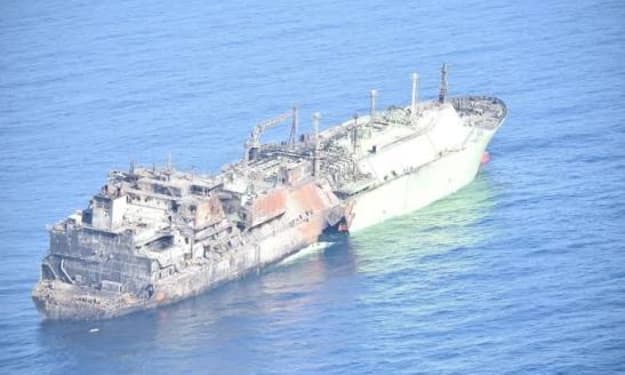
Italy Weighs Options as Damaged Russian LNG Tanker Drifts in the Mediterranean
Italian authorities are urgently assessing their options after a damaged Russian liquefied natural gas (LNG) tanker was reported drifting in the central Mediterranean, raising fears of an environmental disaster and diplomatic complications at a time of heightened geopolitical tension. The vessel, believed to have suffered structural damage during a storm several days ago, has been moving slowly westward under limited control, prompting concern among coastal states and maritime monitoring agencies. Italian coast guard officials confirmed late Thursday that the tanker, carrying thousands of tons of LNG, had transmitted distress signals indicating propulsion failure and potential hull damage. While the ship’s crew has reportedly managed to stabilize onboard systems, experts warn that prolonged drifting could increase the risk of further damage, especially if rough weather returns. Authorities in Rome are now considering whether to allow the tanker to enter an Italian port for emergency repairs or to coordinate an offshore stabilization operation. Either option carries significant political and environmental implications. Officials familiar with the discussions say the Italian government is balancing three primary concerns: maritime safety, environmental protection, and compliance with European sanctions related to Russia’s energy sector. Although LNG shipments themselves are not universally banned under European measures, any assistance to a Russian energy vessel could spark political backlash within the European Union. “This is a highly delicate situation,” said one maritime security analyst based in southern Europe. “Italy has an obligation to prevent environmental damage in its waters, but there are also strong political sensitivities when a Russian energy asset is involved.” The tanker reportedly departed from an Arctic export terminal earlier this month and was en route to an undisclosed destination when it encountered severe weather conditions in the eastern Mediterranean. Satellite tracking services show the vessel slowing dramatically after issuing technical alerts, eventually losing most of its propulsion capability. Italian maritime patrol aircraft and naval vessels have been dispatched to monitor the situation. Early assessments suggest the LNG cargo remains intact within the ship’s cryogenic storage tanks, which are designed to withstand significant stress. However, maritime engineers caution that structural weaknesses in the vessel’s hull could pose long-term risks if not addressed quickly. “If the containment systems fail, the result could be a major gas release,” explained an LNG safety consultant who previously worked with European shipping regulators. “While LNG does not create oil slicks like crude oil, a large release can still cause fires, explosions, and serious environmental disruption.” The drifting tanker is currently believed to be located several hundred kilometers south of the Italian mainland but within a heavily trafficked maritime corridor used by cargo ships traveling between the Suez Canal and major European ports. Italian officials have already issued navigational advisories to nearby commercial vessels, urging them to maintain distance from the damaged ship. Diplomatic channels have also been activated. Italian officials are reportedly in contact with Russian maritime authorities as well as the vessel’s operating company to determine responsibility for rescue and repair operations. Under international maritime law, ships in distress must be assisted when safety or environmental risks are present, regardless of nationality. However, the political dimension of the case complicates matters. Since Russia’s invasion of Ukraine, European governments have taken increasingly strict positions on Russian energy shipments, even when formal sanctions allow limited trade. Environmental organizations have also entered the debate, warning that delays in responding could increase the risk of an accident. Several Mediterranean conservation groups issued a joint statement urging Italy and neighboring states to coordinate a rapid intervention. “The Mediterranean is one of the world’s most fragile marine ecosystems,” the statement said. “Any industrial accident involving LNG transport could have serious ecological consequences.” Shipping industry representatives, meanwhile, argue that humanitarian and environmental safety considerations must take precedence over politics. Maritime insurers have indicated that emergency port access is a standard safety measure in situations involving damaged vessels. Inside the Italian government, discussions are believed to involve the ministries of transport, environment, foreign affairs, and defense. A final decision could determine whether the tanker is escorted toward a designated Italian harbor or kept offshore while international salvage teams attempt repairs at sea. Local authorities in several southern Italian ports have already been quietly consulted about their capacity to host the vessel should Rome approve entry. Such a move would require extensive safety protocols, including restricted harbor zones and standby emergency services. Weather forecasts for the coming days may influence the decision. Meteorological agencies predict shifting winds across parts of the central Mediterranean, conditions that could either push the tanker closer to European coastlines or move it into deeper waters farther from shipping lanes. For now, Italian surveillance aircraft continue to track the ship’s slow drift while naval units remain on standby nearby. As policymakers debate the next step, the drifting tanker has become an unexpected symbol of the complicated intersection between energy security, geopolitics, and environmental risk in Europe’s increasingly contested maritime space. The coming days may determine whether the incident ends as a controlled maritime rescue—or escalates into a broader regional crisis.
By Fiaz Ahmed about 19 hours ago in Longevity



Comments (1)
The article's spot-on. I've seen friends assume thinness meant health, but it's not that simple. Health is about so much more than weight.