
Is Stress Reduction Technique Whereby Electronic Devices Aid Mental Calm?
Discover how modern electronic tools like wearables, apps, and biofeedback devices are transforming stress management and promoting mental calmness in today’s digital age.
In today’s fast-paced digital era, stress has become an inevitable part of our daily lives. Work pressure, academic challenges, financial burdens, and social obligations often push individuals into mental fatigue. To combat this growing concern, many have turned to stress reduction techniques. One such emerging approach involves the use of electronic devices for biofeedback, meditation, sound therapy, and guided breathing. But how effective are these tools? Can electronics really help us relax?
This article explores the concept of stress reduction techniques supported by electronic devices, highlighting their scientific background, types, effectiveness, and practical examples. Whether you're a student, professional, or senior citizen, understanding these modern solutions can help enhance mental peace in the digital age.
What is Stress and Why It Matters?
Stress is the body's natural response to perceived threats or challenges. While acute stress can sometimes be beneficial in boosting alertness, chronic stress leads to physical and emotional burnout. It contributes to heart disease, depression, anxiety, digestive problems, and a weakened immune system. According to the American Institute of Stress, nearly 77% of people regularly experience physical symptoms caused by stress.
Identifying effective stress-reducing strategies is critical not just for mental well-being but for overall health. Traditional techniques such as deep breathing, exercise, and meditation are helpful, but with the integration of technology, new avenues have opened.
What is a Stress Reduction Technique Using Electronics?
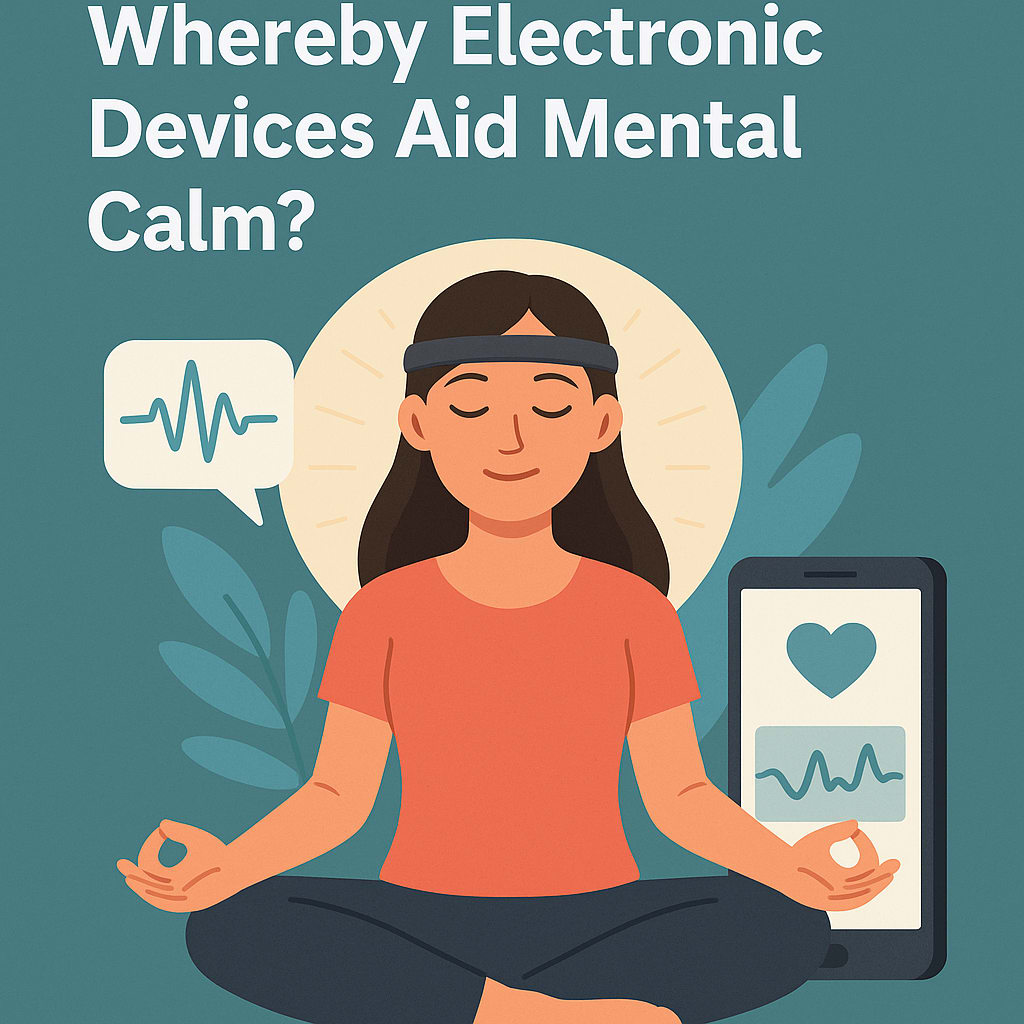
Stress reduction techniques using electronics involve tools and gadgets that help monitor, manage, or reduce stress. These methods can include:
- Biofeedback Devices - Monitor physiological activities such as heart rate, muscle tension, and brainwaves. Devices like Muse or HeartMath Inner Balance use sensors to guide users into calmer states.
- Electronic Guided Meditation - Apps and devices offer calming audio sessions or visualizations that promote mindfulness and relaxation.
- Light and Sound Therapy - Devices like Alpha-Stim or Hapbee use specific frequencies to stimulate alpha brainwaves associated with relaxation.
- Wearables and Smartwatches - Many include stress tracking features that provide breathing exercises when high stress is detected.
- VR Relaxation - Virtual Reality experiences such as TRIPP immerse users in calming environments to ease anxiety.
These devices use data to tailor sessions for better results, making stress reduction more personalized.
Scientific Support Behind Electronic Stress Relief
Multiple studies have shown that electronic devices can play a significant role in reducing stress. For example, a study published in Applied Psychophysiology and Biofeedback found that participants using biofeedback devices for 8 weeks experienced a 32% decrease in perceived stress levels.
Another clinical trial involving the Muse headband showed improvement in focus and reduced cortisol levels after regular use. Similarly, heart rate variability (HRV) monitoring is now considered a reliable indicator of stress levels and recovery.
Neuroscience supports the idea that auditory and visual stimuli such as binaural beats and soothing lights can entrain brainwaves, shifting users from beta (alert) to alpha (relaxed) or even theta (deep meditative) states.
Psychologists also note that immediate feedback from these devices provides real-time self-awareness, which is critical for behavior change. Instead of waiting until stress symptoms worsen, users can take timely action.
Popular Electronic Tools for Stress Reduction
1. Muse Headband
- Tracks brain activity during meditation.
- Provides feedback through sounds (e.g., birds chirping when you’re calm).
- Helps in forming a daily mindfulness habit.
2. HeartMath Inner Balance
- Uses heart rate sensors to promote emotional regulation.
- App-guided breathing exercises.
3. Calm and Headspace Apps
- Meditation and sleep aids with progress tracking.
- Over 80 million downloads globally.
4. Apollo Neuro
- Wearable that delivers silent vibrations to reduce stress and improve focus.
5. VR Headsets (TRIPP, FlowVR)
- Virtual worlds that create soothing landscapes or breathing exercises.
- Used in clinics and therapy centers.
6. Alpha-Stim
- FDA-cleared device for anxiety, insomnia, and depression.
- Delivers microcurrent electrical therapy (MET) to the brain.
These tools are not just gimmicks they’re increasingly used in hospitals, therapy clinics, and by individuals looking for sustainable stress management solutions.
Benefits of Electronic-Based Stress Techniques
Some major benefits include:
- Personalized Feedback: Real-time tracking helps users understand what triggers stress.
- Convenience: Can be used anywhere, anytime.
- Non-invasive: No drugs or physical exertion needed.
- Encourages Habit Formation: Daily reminders and guided programs promote consistency.
- Enhanced Sleep Quality: Many users report better sleep as a result of regular use.
- Evidence-Based: Clinical support and research back their efficacy.
Even for people with busy schedules, short sessions of guided breathing or VR meditation can significantly improve focus, productivity, and mood.
Limitations and Considerations
While electronic stress-reducing tools offer many advantages, there are limitations:
- Cost: Some high-end devices can cost between $100-$500+.
- Tech Dependency: Over-reliance may discourage organic coping strategies.
- Learning Curve: Some devices require time to understand or set up.
- Effectiveness May Vary: Individual response differs; not all tools work the same for everyone.
It’s important to consult mental health professionals before replacing traditional therapy with tech-based alternatives. Also, using too many gadgets can ironically become a source of digital fatigue, so moderation is key.
Tips for Using These Devices Effectively
- Start Simple: Use free apps before investing in devices.
- Set a Routine: Allocate fixed times for relaxation (e.g., before bed).
- Track Progress: Monitor heart rate or stress scores weekly.
- Avoid Distractions: Use devices in a quiet, dedicated space.
- Combine With Traditional Techniques: Integrate yoga, nature walks, or journaling for a holistic effect.
Remember, the goal isn’t to depend on technology forever but to use it as a bridge toward healthier habits.
Bottom Line
The fusion of technology and mindfulness has made stress management more accessible, measurable, and effective. Electronic stress reduction techniques from smart wearables to guided meditation apps are redefining how we address mental wellness. These tools empower individuals to take control of their stress in real-time, offering a modern supplement to traditional relaxation methods.
As research continues and more innovations emerge, electronic-based stress management will likely become a cornerstone of holistic health in the digital age. Whether you’re a student managing deadlines, a parent balancing responsibilities, or a professional dealing with high pressure these tools may just provide the calm amidst your chaos.
About the Creator
Core Well Fit
Empowering Your Core To Live Well and Fit 🌿
Your trusted guide to home workouts, nutrition tips, mental wellness, and smart fitness routines.
📍Targeting U.S. lifestyle | 💪 Fitness | 🥗 Diet | 🧠 Wellness
Keep reading
More stories from Core Well Fit and writers in Longevity and other communities.
Low Potassium Diet for Diabetics
Potassium is an essential mineral that supports nerve function, muscle control, and fluid balance. For most people, potassium is a friend. However, for individuals with diabetes especially those suffering from kidney complications too much potassium can be dangerous.
By Core Well Fit9 months ago in Longevity
5 Best Breakfast Foods for Better Blood Sugar, Recommended by Dietitians
KEY POINTS Skipping or not optimizing breakfast can impact blood sugar levels. A breakfast rich in fiber, protein and healthy fats can help stabilize blood sugar. Balanced breakfasts, like overnight oats, provide blood-sugar-stabilizing nutrients.
By Good health to everyone4 days ago in Longevity
Pink Salt Bricks: Natural Support for Asthma Relief
Understanding Himalayan Salt Therapy? Starting deep underground, air fills with fine grains during Himalayan salt sessions. Though built indoors, these spaces mimic old mines across Eastern Europe - places linked to easier breathing among workers long ago.
By Emily Rosie6 days ago in Longevity




Comments
There are no comments for this story
Be the first to respond and start the conversation.