
Indian Families Grieve Deaths Caused by Contaminated Tap Water: A Growing Public Health Crisis
Tragic Losses and Ongoing Struggle: How Contaminated Tap Water Continues to Threaten Families Across India

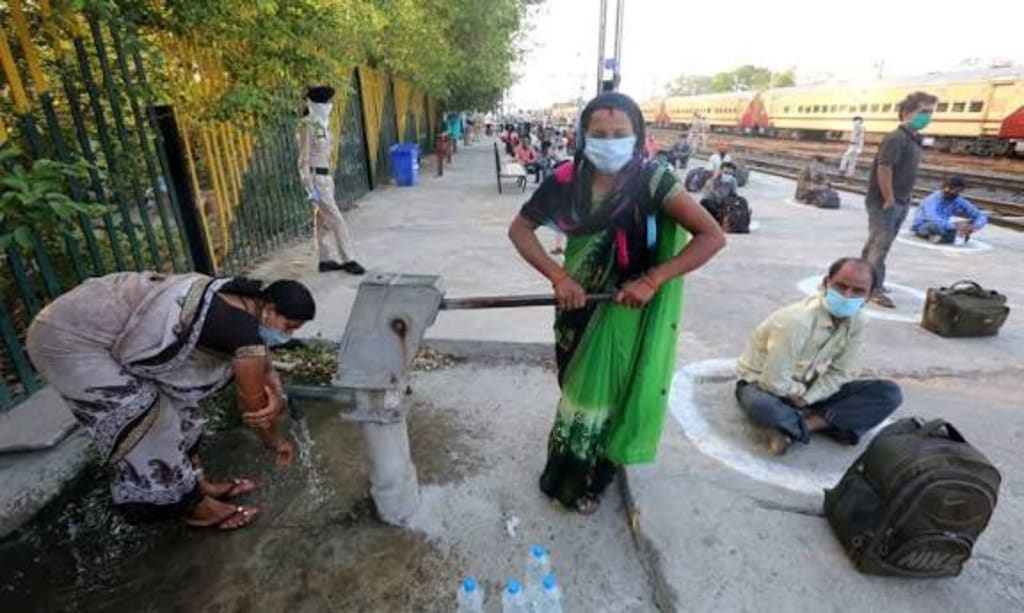
In a tragic reflection of ongoing infrastructure and sanitation challenges, families across India are mourning the deaths of loved ones due to contaminated tap water. The crisis, which has affected both rural and urban communities, underscores the urgent need for clean water access and stringent quality monitoring.
The Human Cost
In several districts, reports have surfaced of children, elderly citizens, and entire households falling ill after consuming water laced with bacteria, chemicals, and other pollutants. Health officials have linked outbreaks of diarrhea, cholera, and kidney infections directly to the consumption of unsafe drinking water.
Among the hardest-hit families are those living in low-income neighborhoods, where residents often depend on municipal taps or shared water sources. In many cases, households have no alternative but to rely on the contaminated supply, amplifying both the spread of disease and the emotional trauma for families who lose loved ones.
“I lost my younger brother within days,” recounts Ramesh Kumar, a resident of a small town in Uttar Pradesh. “He fell sick after drinking water from our tap. The doctors said the water was contaminated, but no one warned us. Now, our family is shattered.”
A Nationwide Challenge
India, despite its rapid urban development and booming economy, continues to struggle with water safety and sanitation issues. According to the Ministry of Jal Shakti, over 70% of water sources in rural areas are contaminated with bacteria or heavy metals. Even urban centers are not immune, with municipal water lines often carrying unsafe levels of lead, arsenic, and other toxic substances.
Experts warn that the issue is not merely about water supply but about governance, infrastructure maintenance, and monitoring. Many water treatment plants lack modern filtration systems, and existing pipelines are often old, corroded, or leaky—creating pathways for contaminants.
Health Experts Raise Alarm
Medical professionals stress that the consequences of contaminated water extend beyond immediate illness. Long-term exposure to heavy metals like lead or arsenic can cause kidney damage, developmental delays in children, and even cancers. Dr. Anjali Mehta, a public health specialist, explains, “Waterborne diseases claim thousands of lives annually in India. Families are not only losing loved ones but also facing long-term health complications from chronic exposure.”
Government Response and Gaps
The Indian government has launched several initiatives, such as Jal Jeevan Mission, aimed at providing safe drinking water to every household. However, implementation remains patchy and slow, with many regions still without reliable water quality monitoring.
Local authorities are often reactive rather than proactive, responding only after illnesses or deaths occur, rather than preventing contamination at the source. Moreover, lack of public awareness compounds the problem, as many families continue to use unsafe water for cooking and drinking.
Community Initiatives Offer Hope
Despite the challenges, some communities are taking matters into their own hands. Non-governmental organizations (NGOs) and local groups are distributing water purification tablets, filters, and safe storage containers. Educational campaigns teach families how to boil or treat water before consumption, reducing the risk of disease.
One successful initiative in Kerala involves community water testing programs, where residents volunteer to collect and analyze water samples from local taps. This proactive approach allows for early detection of contaminants and prompts faster corrective action.
The Emotional Toll
Beyond physical health, contaminated water takes a heavy emotional toll. Families lose not just lives but trust in basic services meant to safeguard them. Parents, in particular, grapple with guilt and helplessness as children fall ill or die due to something as fundamental as drinking water.
Rita Singh, a mother from Bihar, shares her grief: “I never imagined that turning on the tap could be dangerous. I feel guilty every day that I couldn’t protect my children.”
A Call for Action
The ongoing crisis highlights the urgent need for a multifaceted approach:
Infrastructure Upgrade: Modernizing water treatment plants and pipelines to prevent contamination.
Regular Testing: Implementing continuous water quality checks in both rural and urban areas.
Public Awareness: Educating families on safe water practices and early signs of waterborne diseases.
Government Accountability: Ensuring timely intervention and transparent reporting of water safety issues.
Conclusion
The deaths caused by contaminated tap water are a tragic reminder that access to clean, safe water is still a luxury for many in India. Families continue to grieve, communities remain at risk, and public health suffers. Addressing this crisis requires urgent action, sustained government commitment, and active community participation. Only through a coordinated approach can India hope to prevent further loss of life and ensure that every household can safely turn on the tap without fear.
About the Creator
Fiaz Ahmed Brohi
I am a passionate writer with a love for exploring and creating content on trending topics. Always curious, always sharing stories that engage and inspire.
Keep reading
More stories from Fiaz Ahmed Brohi and writers in Longevity and other communities.
Winter Blooming of Hundreds of Plants in UK: A Visible Signal of Climate Breakdown
Across the United Kingdom, a startling natural phenomenon is capturing both public attention and scientific concern: hundreds of plant species are blooming during the winter months, months earlier than their usual spring or summer cycles. Experts warn that this unprecedented winter flowering is more than just a seasonal curiosity—it is a visible signal of climate breakdown. Botanists and ecologists across the UK have observed early blooms in a variety of trees, shrubs, and flowers, including daffodils, primroses, and even certain species of cherry blossoms. In some urban parks and countryside areas, vibrant patches of yellow, pink, and white have emerged amidst frost and short daylight hours, creating an unusual spectacle for residents. “This is an alarming phenomenon,” says Dr. Emily Harrington, a plant ecologist at the Royal Botanic Gardens, Kew. “Plants are responding to warmer winter temperatures and erratic weather patterns. These early blooms can disrupt natural cycles, affecting pollination, fruit production, and overall ecosystem health.” The immediate cause of this winter blooming is a combination of rising average temperatures, milder winters, and unusually early periods of warmth. In December and January, many parts of the UK recorded temperatures significantly above historical averages, prompting plants to break dormancy earlier than usual. While these warmer spells may seem harmless or even beautiful to casual observers, scientists warn that they can have serious long-term consequences. One key concern is the impact on pollinators. Bees and other insects rely on a predictable cycle of flowering to feed themselves and their colonies. When plants bloom too early, there may be insufficient pollinator activity to fertilize flowers, reducing fruit and seed production later in the year. This can disrupt local ecosystems and even threaten food supply chains for crops reliant on insect pollination. Additionally, winter blooming leaves plants vulnerable to sudden cold snaps or frosts. Early blooms exposed to freezing temperatures can die off, damaging plants and reducing their productivity. “These mismatched cycles between climate and plant biology indicate stress on ecosystems,” notes Dr. Harrington. “We are seeing the consequences of climate variability manifesting in very visible ways.” Urban areas have also felt the effects. Landscaped gardens, city parks, and roadside plantings that normally remain dormant during winter are now showing unexpected greenery and flowers. While this may delight residents and photographers, it signals a shift in seasonal norms that can affect horticulture and landscaping practices. Nurseries may struggle with premature growth, and gardeners may need to adjust care routines to prevent frost damage. Environmental organizations are linking the winter flowering to broader climate trends, including global warming, increased carbon dioxide levels, and shifting jet streams that bring unseasonal warmth. Data from the UK Met Office indicate that the country’s winter temperatures have risen consistently over the last few decades, with the past five years recording some of the mildest winters on record. “This is not an isolated event,” says Professor Richard Greene, a climate scientist at the University of Edinburgh. “Winter blooming is a symptom of systemic changes in our climate. It is a visible reminder that human-driven climate change is reshaping natural rhythms, often in unpredictable ways.” The phenomenon also has social and economic implications. Early blooming can mislead the public into thinking spring has arrived, affecting travel, tourism, and even local celebrations traditionally tied to seasonal events. Agricultural sectors face challenges as fruit trees and other crops may bloom too early, exposing them to frost damage and potential financial losses. Despite these concerns, scientists stress that such unusual events provide valuable data for studying climate impacts on ecosystems. Researchers are monitoring flowering patterns across the UK, using them as indicators of how plants adapt—or struggle—to cope with climate change. Citizen science initiatives are also encouraging residents to record unusual blooms, helping build a broader understanding of the effects on local biodiversity. In conclusion, the winter blooming of hundreds of plants across the UK is more than an aesthetic curiosity—it is a visible warning of climate disruption. As unseasonal temperatures and erratic weather patterns continue, experts urge increased awareness and proactive measures to protect ecosystems, pollinators, and agricultural productivity. The vibrant winter blooms may delight the eye, but they also remind us that the natural rhythms we take for granted are being fundamentally altered by climate change.
By Fiaz Ahmed Brohi17 days ago in Longevity
Day 4 of Quitting
If this is how sobriety feels, maybe it’s better to go through life a little buzzed… this, along with other hits like, I want to kill myself, I wish I was dead, and I’m going to throw myself off a bridge have been the only thoughts on rotation these past few days. I promise myself that if, in a month, I still feel like this (‘this’ meaning despondent, full of rage, and simultaneously numb) I can go back to smoking. Until mid-February though? Nicotine is off the table.
By sleepy drafts12 days ago in Longevity
Why Minimal Skincare Routines Are Winning in 2026
If you had told me a few years ago that my skincare routine would shrink to just three or four steps, I probably wouldn’t have believed you. Like many of us, I went through the ten-step routine phase, the acid-everything phase, and yes — the “TikTok made me buy this” phase too.
By Veronica Bennett4 days ago in Longevity



Comments
There are no comments for this story
Be the first to respond and start the conversation.